How to Vent a Sea Container: A Complete Guide
Knowing how to vent a sea container is essential if you want to protect stored goods from excessive heat, moisture and condensation. Although shipping containers are designed to protect cargo from the elements, their enclosed steel construction can trap warm, humid air, particularly when they are used for long-term storage.
Without adequate ventilation, moisture can accumulate on the walls and ceiling, potentially causing rust, mould and damage to sensitive items such as furniture, cardboard boxes, tools and electronics.
Fortunately, there are several ways to improve sea container ventilation, from installing passive air vents to using solar-powered fans.
In this guide, we explain how to vent a sea container, where to position ventilation openings, which systems to consider and how to maintain good airflow.
If you are looking for a suitable container for your next project, visit Sea Containers For Sale to explore your options.
Why Is Ventilation Important for a Sea Container?
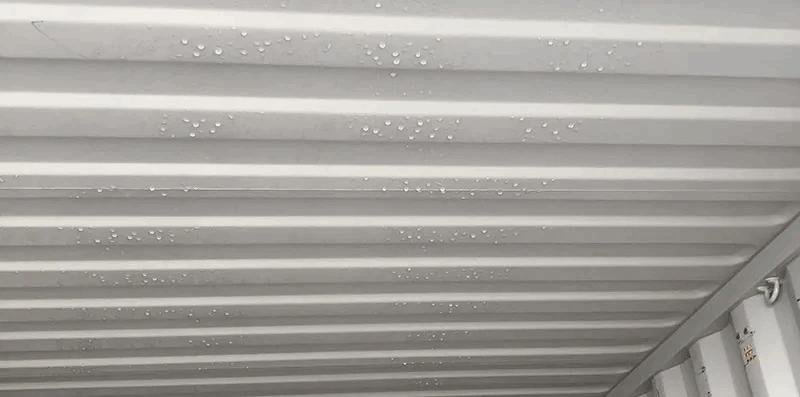
Ventilation allows fresh air to enter a container while helping warm, humid or stale air escape. This circulation can reduce moisture accumulation and help manage internal temperatures.
Although many shipping containers have small factory-fitted vents, these are primarily designed to support basic air exchange during transport. They may not provide sufficient ventilation for every long-term storage application.
Here are the main reasons to improve ventilation.
1. Prevent Condensation
Condensation occurs when moisture in the air comes into contact with a surface that is cold enough for water vapour to turn into liquid.
Shipping container walls and ceilings can cool rapidly when temperatures drop, causing water droplets to form inside the container. This is sometimes called container rain.
Proper ventilation can help reduce moisture accumulation, although it may not eliminate condensation in very humid conditions.
Read our related guide: What Are Shipping Containers Made Of? to learn more about the materials used in container construction.
2. Reduce Heat Build-Up
Steel containers can become extremely hot when exposed to direct sunlight, especially in tropical climates.
Installing suitable ventilation can help release trapped hot air and improve internal airflow. However, ventilation alone will not provide the same temperature control as insulation or air conditioning.
3. Protect Stored Goods
Moisture can damage many items stored inside a sea container, including:
- Wooden furniture and timber.
- Cardboard packaging and paper documents.
- Metal tools and equipment.
- Clothing, fabrics and upholstery.
- Electronics and other moisture-sensitive goods.
Good ventilation, combined with dry storage practices, can help reduce the risk of moisture-related damage.
4. Improve Air Quality
Stale air can create unpleasant odours, particularly when damp materials are stored inside a container.
Suitable ventilation helps exchange indoor air with outdoor air. If the container is used as a workshop, office or living space, additional ventilation may be necessary to manage humidity, fumes and other indoor pollutants.For additional information visit U.S. Environmental Protection Agency
What Are the Best Ways to Vent a Sea Container?
There are several ventilation methods to consider. The best option depends on the container’s size, location, intended use and the conditions inside it.
1. Install Passive Air Vents
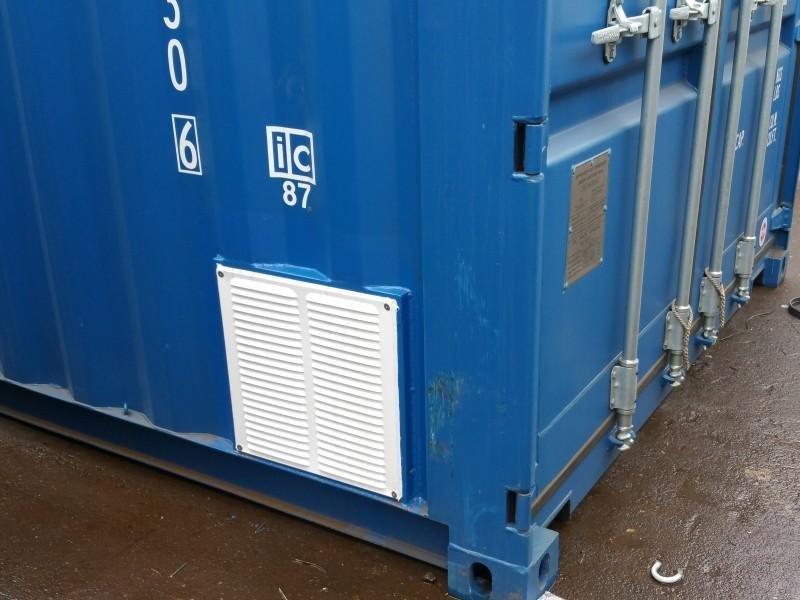
Passive vents allow air to move naturally through openings in the container walls. They do not require electricity and are often suitable for general storage.
Common options include louvred vents and weather-resistant ventilation grilles.
Benefits of passive ventilation:
- No electricity required.
- Relatively simple to maintain.
- Helps promote natural airflow.
- Can reduce trapped moisture when appropriately designed.
- Suitable for many basic storage applications.
For better airflow, consider positioning vents so air can enter one part of the container and leave through another,you can also visit Health and Safety Executive
2. Use Solar-Powered Ventilation Fans
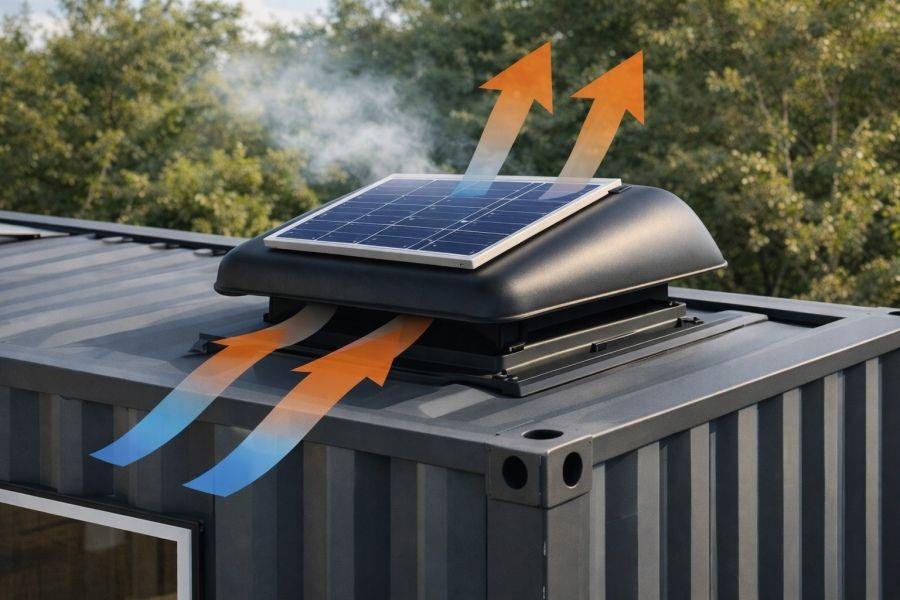
Solar-powered fans use sunlight to operate a ventilation fan. They can be useful when a container is located away from a mains electricity supply.
A solar-powered exhaust fan can help remove hot air, particularly during sunny periods when container temperatures tend to rise.
However, its performance depends on sunlight, fan capacity and the availability of a suitable air intake.
Solar ventilation may be suitable for:
- Containers in remote locations.
- Agricultural storage.
- General equipment storage.
- Containers exposed to strong sunlight.
Remember that a solar fan may provide less ventilation during cloudy weather or at night.
3. Install an Electric Exhaust Fan
An electric exhaust fan actively moves air out of the container. Replacement air enters through suitable intake vents, creating a continuous airflow path.
This option can be useful for workshops, commercial storage and other applications requiring more consistent air exchange.
Choose equipment suitable for the container’s size and intended use. Where fumes, combustible materials or hazardous substances are present, specialist ventilation equipment and appropriate safety controls may be necessary.
4. Consider Roof Ventilation
Roof-mounted ventilation systems can help release warm air that accumulates near the top of the container.
Options include suitable roof exhaust fans and turbine ventilators.
However, cutting into the roof introduces a potential water-ingress point. Roof modifications must be correctly installed, flashed and sealed to help prevent leaks.
For many basic storage applications, wall-mounted vents may be simpler to install and maintain.
How to Vent a Sea Container Step by Step
If you want to improve your container’s ventilation, follow these steps to plan an appropriate system.
Step 1: Assess Your Container’s Purpose
Start by deciding what the container will be used for.
A container storing dry tools may require a different ventilation system from one storing furniture, agricultural products or temperature-sensitive equipment.
Consider the following questions:
- What items will be stored inside?
- How frequently will the container doors be opened?
- Is the container exposed to direct sunlight?
- Is the local climate hot, humid or rainy?
- Will people regularly work or live inside the container?
Your answers will help determine the ventilation system you need.
Step 2: Inspect Existing Ventilation
Check whether your sea container already has ventilation openings.
Inspect the vents for dirt, rust, blockages or damage. Make sure the openings are not obstructed by stored items or external debris.
Factory-fitted vents can provide some air exchange, but their presence does not guarantee sufficient ventilation for long-term storage.
If condensation remains a problem, consider whether additional ventilation, insulation, dehumidification or leak repairs are required.
Step 3: Choose the Right Ventilation System
Select a system that matches the container’s intended use.
For general storage, passive louvred vents may provide a practical starting point. For applications involving significant heat or moisture, a powered exhaust fan may be more appropriate.
In many cases, a combination of passive intake vents and mechanical exhaust ventilation provides a better airflow path than a single opening.
Step 4: Plan the Position of the Vents
Vent placement is important because air needs a clear route through the container.
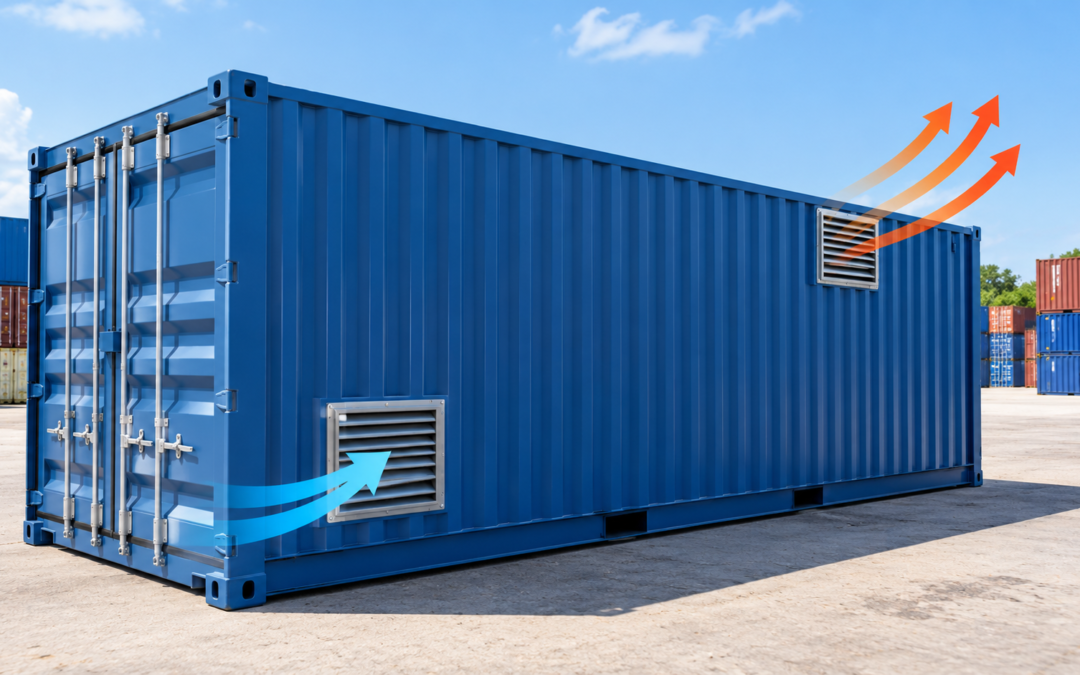
A common arrangement is to position an intake vent lower on one side and an exhaust vent higher on the opposite side. This can encourage airflow across the interior.
Avoid placing all the vents close together if doing so would allow air to pass between them without circulating through the rest of the container.
Important: There is no single vent number or placement pattern that works for every sea container. The correct arrangement depends on vent capacity, container dimensions, local weather and the moisture generated inside.
Step 5: Install the Vents Safely
Installing new vents may require cutting openings in the steel walls or roof.
Because shipping containers have structural components and protective coatings, modifications should be planned carefully.
A suitable installation should include:
- Measuring and marking the opening according to the vent manufacturer’s specifications.
- Selecting a suitable location that avoids important structural components.
- Cutting the opening using appropriate equipment and protective measures.
- Treating exposed steel edges with a suitable corrosion-resistant coating.
- Securing the vent according to the manufacturer’s instructions.
- Sealing the installation against rainwater.
- Checking the finished installation for leaks and obstructions.
Safety warning: Cutting steel creates sharp edges, sparks and other hazards. If you are unfamiliar with metal fabrication, use a qualified professional. Never cut structural components without appropriate assessment.
Step 6: Check Airflow and Moisture Levels
After installation, check that air can enter and leave the container as intended.
Monitor the interior for condensation, musty smells and signs of dampness. A humidity meter can help you understand changing moisture levels.
If condensation continues, investigate other causes, including water leaks, damp stored materials, ground moisture and temperature differences.
How Many Vents Does a Sea Container Need?
The number of vents required depends on the container’s dimensions, the type of ventilation equipment and the conditions inside the container.
A 20-foot sea container used for basic storage may need a simpler ventilation arrangement than a 40-foot container used as a busy workshop.
Rather than relying on container length alone, consider the following factors:
| Factor | Why It Matters |
|---|---|
| Container size | Larger interiors may require greater airflow. |
| Climate | Hot or humid conditions can increase moisture-control challenges. |
| Stored goods | Sensitive items may require tighter humidity control. |
| Vent capacity | Different vents allow different amounts of air to pass through. |
| Container use | Workshops and occupied spaces have different ventilation requirements from basic storage. |
| Insulation | Insulation can reduce temperature differences that contribute to condensation. |
For general storage, a properly positioned pair of passive vents may be a reasonable starting point. Larger containers or more demanding applications may need additional vents or powered ventilation.
For workshops, offices and living spaces, have the ventilation requirements assessed against the intended occupancy and applicable building and safety regulations.
Common Mistakes to Avoid When Venting a Sea Container
Even when vents are installed, certain mistakes can reduce their effectiveness.
Blocking the Vents
Placing boxes, equipment or other items directly in front of ventilation openings can restrict airflow.
Keep the areas around vents clear.
Ignoring Water Leaks
Ventilation cannot compensate for rainwater entering through damaged seals, roof holes or poorly fitted doors.
Inspect the container for leaks and repair them before relying on ventilation to manage moisture.
Choosing the Wrong Ventilation System
A basic passive vent may not provide enough airflow for a container used as a workshop or occupied space.
Choose the system according to the actual ventilation requirements.
Forgetting About Humid Outdoor Air
Ventilation does not always reduce humidity. In very humid climates, bringing outdoor air inside may introduce additional moisture.
Depending on the conditions, you may need insulation, dehumidification or a combination of moisture-control measures.
Neglecting Maintenance
Vents can become blocked by dust, insects, leaves and other debris.
Inspect them regularly to ensure that air can move freely and that rainwater cannot enter through damaged seals.
Can You Vent a Sea Container Without Cutting Holes?
Yes, you can improve airflow and manage moisture without necessarily cutting new openings into the container.
Consider these options before modifying the steel structure.
Keep the Existing Vents Clear
Clean the factory-fitted vents and make sure they are not obstructed.
This is a simple first step, although existing vents may not provide enough airflow for every application.
Use Moisture Absorbers
Suitable desiccants can help absorb moisture inside an enclosed container.
They may be useful for protecting certain stored goods, but their capacity is limited. They should not be treated as a substitute for necessary ventilation or leak repairs.
Store Items Correctly
Allow space between stored goods and the walls to encourage air movement.
Whenever practical, load dry goods and use suitable packaging to reduce the amount of moisture introduced into the container.
Consider Insulation
Insulation can reduce temperature differences between the container’s steel walls and the interior air, helping limit condensation.
However, insulation must be installed correctly, with suitable moisture and vapour control for the climate and intended use.
Recommended approach: If you want to avoid cutting into your container, begin by inspecting the existing vents, checking for leaks, keeping stored goods dry and improving the arrangement of items inside.
Should You Vent a Sea Container Used as a Home or Office?
Yes, but ventilation requirements are more demanding when people occupy the container regularly.
A container converted into a home, office or workshop may require a combination of fresh-air ventilation, insulation, mechanical extraction and heating or cooling.
Ventilation for Container Homes
Container homes need appropriate fresh-air exchange to manage humidity and maintain indoor air quality.
Bathrooms, kitchens and other moisture-producing areas may require dedicated extraction systems.
The design should also consider condensation within wall and ceiling assemblies, as hidden moisture can damage the structure over time.
Ventilation for Container Offices
Offices require sufficient fresh air for the number of occupants and the activities taking place inside.
Depending on the design and local regulations, a mechanical ventilation system may be more suitable than passive vents alone.
Ventilation for Container Workshops
Workshops may produce dust, fumes, heat or airborne chemicals.
General ventilation may not be enough to control specific hazards. Activities such as welding, painting or using solvents can require specialised extraction and additional safety measures.
Frequently Asked Questions About Sea Container Ventilation
What is the best way to vent a sea container?
For general storage, properly positioned passive louvred vents can provide useful natural airflow. Solar-powered or electric exhaust fans may be more suitable where greater airflow is needed.
The best option depends on the container’s size, climate and intended use.
Do sea containers come with vents?
Many standard shipping containers have small factory-fitted ventilation openings. However, these may provide limited air exchange and may not be sufficient for long-term storage in every climate.
Can ventilation stop condensation inside a sea container?
Ventilation can reduce condensation by helping remove moist air, but it is not guaranteed to eliminate the problem.
Insulation, dehumidification, leak repairs and proper storage practices may also be necessary.
Where should vents be installed in a sea container?
A common approach is to position air intake openings lower down and exhaust openings higher up, ideally arranged to encourage airflow across the container.
The final design should account for the container’s structure and the ventilation system being used.
Is a solar-powered fan good for a sea container?
A solar-powered fan can help remove hot air without requiring a mains electricity connection. Its effectiveness depends on sunlight, fan capacity and the availability of an adequate intake opening.
Do I need professional help to install container vents?
Professional installation is advisable if the work involves cutting steel, modifying structural components, installing roof penetrations or fitting electrical equipment.
How can I keep my sea container dry?
Keep stored goods dry, inspect the container for leaks, maintain clear vents and monitor internal humidity. If condensation persists, consider combining ventilation with insulation or dehumidification.
Conclusion: Improve Your Sea Container with Proper Ventilation
Learning how to vent a sea container can help you protect stored goods, reduce moisture accumulation and manage excessive heat.
The most suitable solution depends on your container’s size, location and intended use. Passive vents can be sufficient for some storage applications, while powered ventilation may be necessary for workshops, offices or other demanding environments.
Remember that ventilation is only one part of moisture control. Regular inspections, leak prevention, correct storage practices and suitable insulation can also make a significant difference.
If you are planning a new storage project, explore the available options at Sea Containers For Sale to find a container suited to your requirements.