
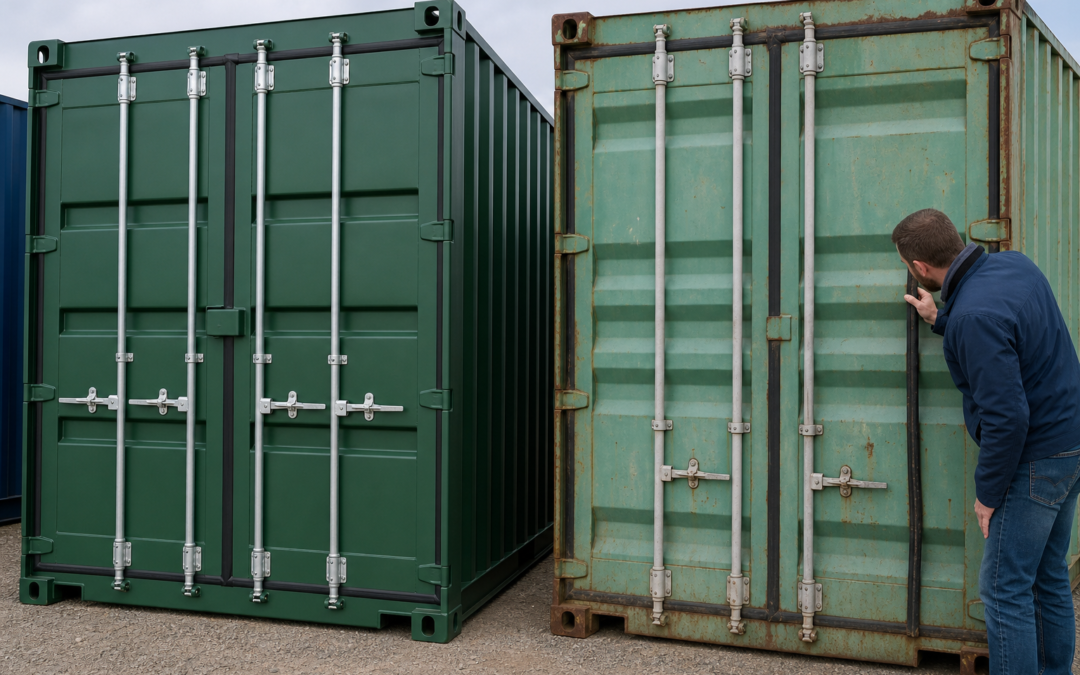
New vs Used Shipping Containers: Cost, Condition & What to Expect
This pairs with our complete shipping container buying guide. Should you buy a new shipping container, a one-trip container, or a used sea container? The answer depends on your budget, how the unit will look on your property, and whether people will see it every day. This guide explains the real differences in condition, price, lifespan, and inspection so you can buy with fewer surprises.
At Sea Containers For Sale, we believe buyers deserve plain-language grades and photos — not vague labels. Use the sections below to compare options like a pro.
Table of Contents
- What New, One-Trip & Used Really Mean
- Side-by-Side Comparison
- How Pricing Usually Works
- Appearance, Rust & First Impressions
- Structure, Floors & Weather Sealing
- Which Grade Fits Which Project
- Inspection Checklist for Used Units
- Smart Questions That Improve Your Quote
- Maintenance After You Buy
- FAQs
- How to Choose With Confidence
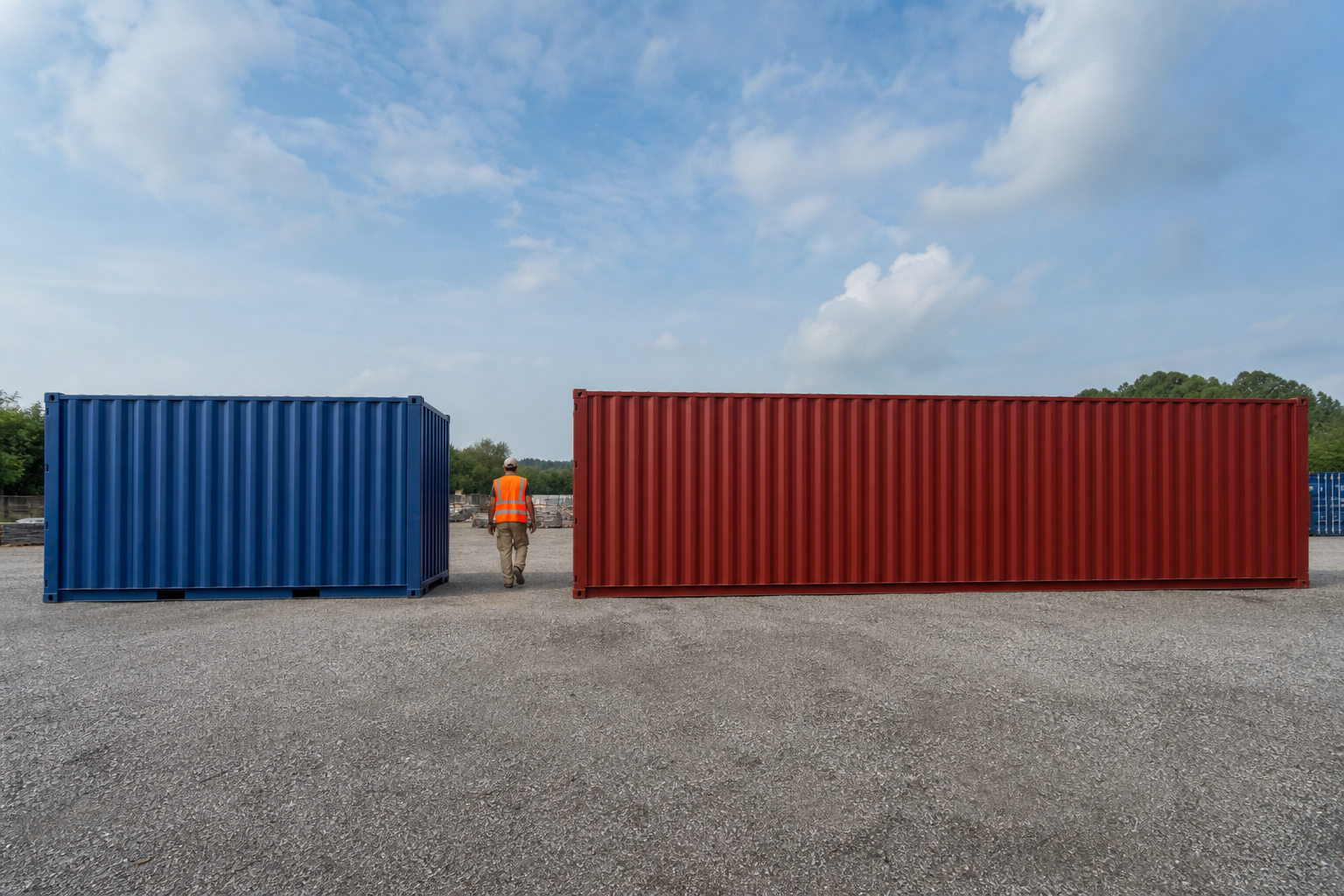
What New, One-Trip & Used Really Mean
Sellers do not always use the same vocabulary. Ask for definitions in writing before you compare prices.
- New: Factory-fresh, typically unused for cargo. Highest cosmetic quality and price.
- One-trip: Made a single journey loaded with cargo, then sold. Usually near-new appearance with minor handling marks.
- Used / cargo worthy: Multiple trips; structurally capable of shipping, with visible wear.
- Wind & water tight (WWT): Keeps weather out for storage; cosmetics may vary.
- As-is: Sold with known or unknown imperfections; lowest price, highest inspection need.
Why One-Trip Is So Popular
One-trip containers often give buyers most of the “new” look without the full new-container premium. For offices, storefronts, and home projects, that balance is attractive.
Human Tip: Ignore the Buzzwords, Ask for Photos
A clear set of recent photos — roof, doors closed and open, interior floor, corner posts, and understructure if available — tells you more than a marketing grade name.
Side-by-Side Comparison
| Factor | New / One-Trip | Used WWT | As-Is Used |
|---|---|---|---|
| Typical look | Clean paint, minimal dents | Scuffs, patches, faded paint | Heavy wear possible |
| Price | Highest | Mid-range | Lowest |
| Best for | Visible builds, branding | Practical storage | Budget projects + repair skills |
| Risk level | Lowest | Moderate | Highest |
| Modification readiness | Excellent | Good if structure is sound | Depends on repairs needed |
How Pricing Usually Works
Container prices move with steel markets, local supply, season, and delivery distance. Still, grade creates a predictable ladder.
- New and one-trip command a premium for cosmetics and predictability.
- Used WWT often offers the best value for hidden storage.
- As-is looks cheap until you add welding, floor repair, or door work.
Total Cost Thinking
- Container price
- Delivery and unload method
- Immediate repairs
- Paint or cladding for curb appeal
- Modifications for your end use
The “Cheap Container” Trap
A deeply discounted unit with soft floors or door-seal failure can cost more than a sound mid-grade container after repairs. Always compare delivered, ready-to-use cost.
Appearance, Rust & First Impressions
Surface rust and dented corrugation are common on used containers and do not automatically mean the unit is unsafe. Focus on whether rust is cosmetic or structural.
Cosmetic Issues That Are Usually Acceptable
- Faded or mismatched paint
- Light surface rust on walls
- Minor dents that do not open holes
- Old shipping line logos and stickers
Appearance Issues That Deserve Extra Scrutiny
- Rust around door frames and locking rods
- Roof punctures or poorly done patches
- Corner casting damage
- Repaint that may be hiding active corrosion
When Looks Matter Most
Choose new or one-trip if the container will face customers, guests, or street view. Choose sound used if it will sit behind a building or barn and mainly protect contents.
Structure, Floors & Weather Sealing
Structure is the non-negotiable part of the purchase.
- Corner posts and castings: Needed for safe lifting and stacking integrity.
- Understructure rails: Support the floor and overall rigidity.
- Roof: Must shed water; pooling and holes are warning signs.
- Doors and gaskets: Must close squarely and seal.
- Floor: Should feel solid underfoot across the full length.
Flooring Notes for Buyers
Many containers use marine-grade plywood or bamboo flooring. For storage, a worn but solid floor can be fine. For living or office spaces, you may overlay new flooring anyway — but soft spots still need repair first.
Smell Test
Open the doors and step inside. Strong chemical or mildew odors matter if people will occupy the space. Storage buyers may tolerate more than office or home buyers.
Which Grade Fits Which Project
Match grade to purpose using real-world examples in best uses for sea containers. Also decide size early with our 20ft vs 40ft guide.
| Project | Recommended Grade | Why |
|---|---|---|
| Backyard tool storage | Used WWT | Value + weather protection |
| Farm equipment lockup | Used WWT or one-trip | Depends on budget and visibility |
| Jobsite office | One-trip / refurbished | Better daily usability and appearance |
| Pop-up retail | One-trip / new | Brand presentation matters |
| Container home | One-trip / new | Cleaner base for insulation and finish |
| Budget workshop shell | Used, carefully inspected | Can work if structure is excellent |
Emotional Decision vs. Practical Decision
It is normal to want the cleanest container you can afford — especially for a home project. Just be honest about whether guests will see it. Many owners happily buy used for storage and save the premium for a future conversion unit.
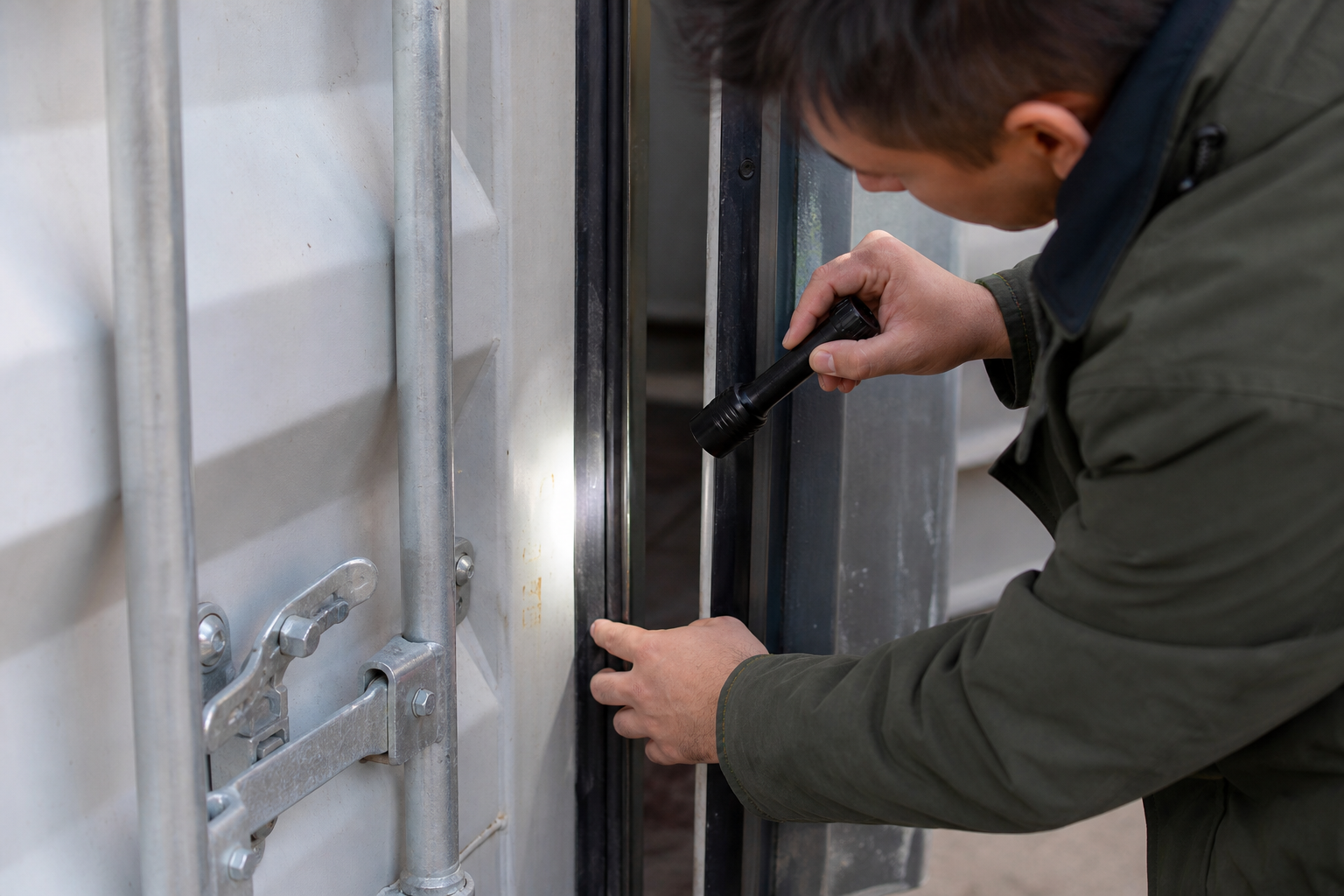
Inspection Checklist for Used Units
- Walk the exterior walls and look for daylight holes.
- Inspect the roof from ground level and request roof photos.
- Open and close both doors fully.
- Check door seals for gaps, tears, or compression set.
- Walk the interior floor slowly and listen/feel for soft areas.
- Examine corner posts and locking gear.
- Ask what repairs were already completed.
- Confirm wind and water tightness in writing.
Deal Breakers for Most Buyers
- Doors that will not latch or seal
- Active leaks
- Compromised corners that affect lifting
- Seller refusal to provide clear photos or grade details
Smart Questions That Improve Your Quote
- What is the exact grade definition you are using?
- Is delivery included, and how will the unit be unloaded?
- Can I see timestamped photos of this specific container?
- Are there any known patches, floor repairs, or door issues?
- What is the total delivered price to my ZIP / location?
- Do you offer a short arrival inspection window?
How Experienced Buyers Compare Quotes
They line up three things side by side: grade, photos, and delivered price. A lower unit price with expensive delivery or vague condition is not a bargain.
Maintenance After You Buy
Grade choice affects day-one condition, but maintenance decides how the container ages. A carefully kept used unit can outlast a neglected one-trip container.
Simple Annual Care List
- Inspect door gaskets and replace damaged sections
- Check the roof for ponding or failed patches
- Treat surface rust before it becomes structural
- Verify the unit remains level on its supports
- Confirm locks and lockboxes still operate smoothly
Interior Care for Occupied Spaces
If people work or live inside, monitor condensation. Insulation, ventilation, and a moisture plan matter as much as the original grade. A beautiful one-trip shell can still feel damp without airflow.
- Add vents or mechanical ventilation appropriate to the use
- Insulate walls and roof for your climate zone
- Use flooring systems that tolerate temperature swings
- Keep a small dehumidifier where humidity stays high
Documentation to Keep
- Purchase invoice and delivery receipt
- Photos of the unit on arrival
- Any grade or WWT confirmation from the seller
- Records of repairs and modifications
Good records help with insurance questions, resale, and future contractors who need to know what was changed.
Resale Reality
Clean, dry, well-photographed containers sell more easily. Whether you started with new or used, buyers pay for confidence. Keep the unit tidy and the story clear.
Small Habits, Long Life
Open the doors on dry days for airflow, keep vegetation clear of the steel walls, and fix drip issues early. Those habits protect both cheap used boxes and premium one-trip units.
FAQs
Is a used shipping container safe?
Yes — if it is structurally sound and weather-tight for your use. Safety comes from inspection and honest grading, not from the word “used” alone.
How long will a used container last on land?
Many last decades with basic rust management, good door seals, and proper drainage around the base. Land use is often gentler than continued ocean service.
Should I paint a used container immediately?
Not always. Address leaks and active corrosion first. Then paint for protection and appearance if needed.
Are one-trip containers worth the extra money?
They often are for visible or occupied projects. For hidden storage, a solid used WWT unit may give better value.
How to Choose With Confidence
When grade is settled, finish with size selection in 20ft vs 40ft shipping containers and the inspection steps in the buying guide.
- Write down whether the container will be seen daily.
- Decide if people will work or live inside.
- Set a maximum total delivered budget.
- Request photos and grade definitions.
- Inspect against the checklist above.
- Buy the soundest unit that fits the job — not just the cheapest listing.
Whether you choose new, one-trip, or used, the winning purchase is the one that stays dry, opens smoothly, and matches how you will actually use it. Browse current options at Sea Containers For Sale and ask for a clear grade-and-delivery quote before you commit.
This cleared up one-trip vs used for us. Paying more for cosmetics only made sense because the unit faces the street.
Bought used WWT for tool storage behind the shop. Looks rough, stays dry. Perfect.
The cheap-container trap is real. Friend saved money up front then spent it on floor repairs.
Inspection checklist is what I needed. Printed it and took it to the yard.
Do sellers usually confirm WWT in writing, or is that something we have to insist on?
Solid advice on smell tests for office conversions. We rejected one that reeked of chemicals.
Maintenance section after purchase is underrated. People talk about buying and forget upkeep.
Compared quotes the way you suggested — grade, photos, delivered price. Made the decision much easier.