Conex Containers: Everything You Need to Know About Sizes, Uses and Benefits
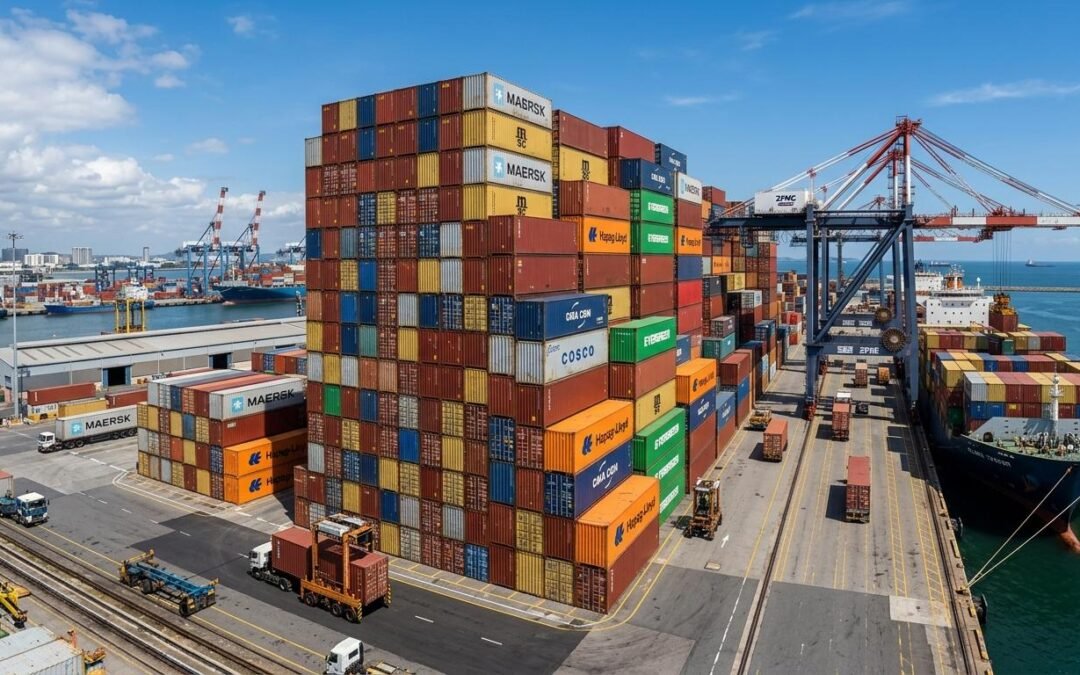
Conex containers are among the most versatile and practical storage and transportation solutions available today. Commonly known as shipping containers, cargo containers or storage containers, these durable steel structures are used worldwide for transporting goods, storing equipment and supporting commercial operations.
Whether you are looking for a container for your business, construction project, agricultural operation or personal storage, understanding Conex containers can help you make an informed purchasing decision.
At Sea Containers For Sale, we understand the importance of choosing the right container for your requirements. This guide explores everything you need to know about Conex containers, including their history, sizes, types, benefits, applications and important factors to consider before purchasing.
What Are Conex Containers?
Conex containers are heavy-duty steel containers originally developed for transporting military supplies and equipment. The term CONEX comes from the expression “Container Express”, which was associated with the United States military’s container transportation system during the early 1950s.
Today, the term Conex is commonly used to describe standard shipping containers designed to transport cargo by sea, road and rail.
These containers are manufactured using durable steel materials and feature reinforced corners, corrugated walls, secure locking mechanisms and weather-resistant construction.
Conex containers are available in different sizes and configurations to accommodate various transportation and storage requirements.
What Is the Difference Between Conex Containers and Shipping Containers?
In modern commercial usage, Conex containers and shipping containers generally refer to the same type of product.
The main difference is the terminology rather than the actual container.
The word Conex originated from military logistics, while shipping container is the more widely recognised international term.
Both are commonly used for:
- International cargo transportation.
- Commercial storage.
- Construction equipment storage.
- Agricultural applications.
- Industrial operations.
- Container conversion projects.
How Are Conex Containers Made?
Most modern Conex containers are manufactured using corrosion-resistant weathering steel, commonly known as Corten steel.
Their construction includes several important components:
- Corrugated steel walls.
- Reinforced steel flooring supports.
- Heavy-duty cargo doors.
- Secure locking bars.
- Rubber door seals.
- Steel corner castings.
- Marine-grade plywood flooring in many standard models.
These components work together to provide strength, durability and protection during transportation and storage.
Different Sizes of Conex Containers
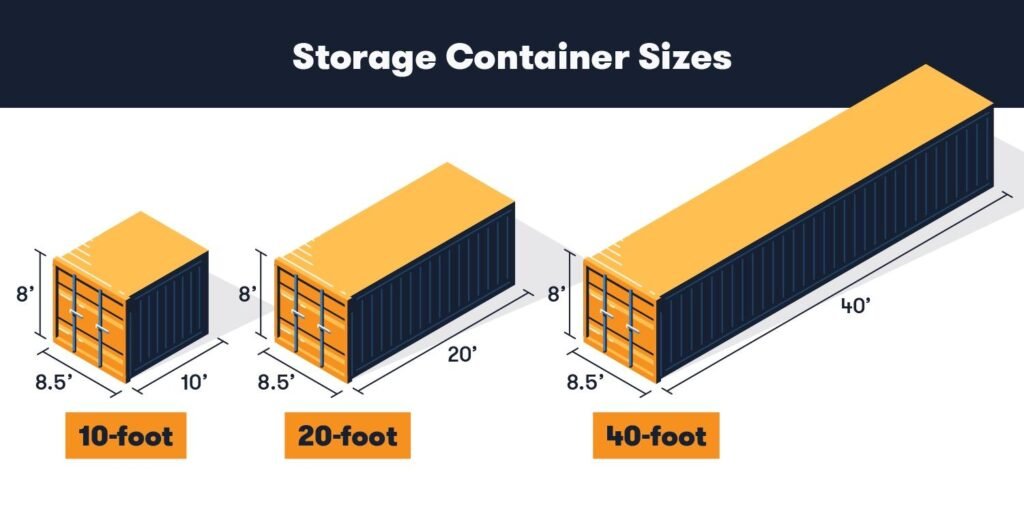
Conex containers are available in several sizes to accommodate different storage and transportation requirements.
Choosing the correct size depends on your intended application, available space and the volume of goods you need to store.
1. 10ft Conex Containers
10ft Conex containers are compact storage solutions suitable for locations where space is limited.
They are particularly useful for individuals and businesses requiring additional storage without occupying a large area.
Common applications include:
- Garden equipment storage.
- Small business inventory.
- Construction tools.
- Household belongings.
- Agricultural equipment.
2. 20ft Conex Containers
20ft Conex containers are among the most popular container sizes.
They provide a practical balance between storage capacity, transportation requirements and available space.
Common applications include:
- Commercial storage.
- Construction materials.
- Industrial equipment.
- Agricultural supplies.
- International cargo transportation.
- Household storage.
A standard 20ft Conex container typically measures approximately 20 feet long, 8 feet wide and 8 feet 6 inches high externally.
3. 40ft Conex Containers
40ft Conex containers provide considerably more storage capacity than their 20ft counterparts.
They are particularly suitable for businesses and organisations handling larger quantities of products, machinery or equipment.
Common applications include:
- Warehouse inventory.
- Large construction projects.
- Industrial machinery.
- Agricultural products.
- Commercial storage.
- International shipping.
4. 40ft High Cube Conex Containers
40ft High Cube Conex containers provide additional vertical storage space compared with standard-height containers.
They typically measure approximately 9 feet 6 inches high externally.
Their additional height makes them suitable for:
- Bulky equipment.
- Large commercial inventory.
- Container offices.
- Workshops.
- Container homes.
- Specialised storage applications.
5. 45ft Conex Containers
45ft Conex containers offer additional length for customers who require more storage or cargo capacity.
They are particularly useful for commercial transportation and specialised storage projects.
Their availability may vary depending on the supplier and location.
Common Types of Conex Containers
Conex containers are available in different configurations depending on their intended purpose.
Standard Dry Storage Containers
Standard dry containers are designed to transport and store general cargo.
They are among the most widely used container types and are suitable for many commercial and residential storage applications.
Refrigerated Conex Containers
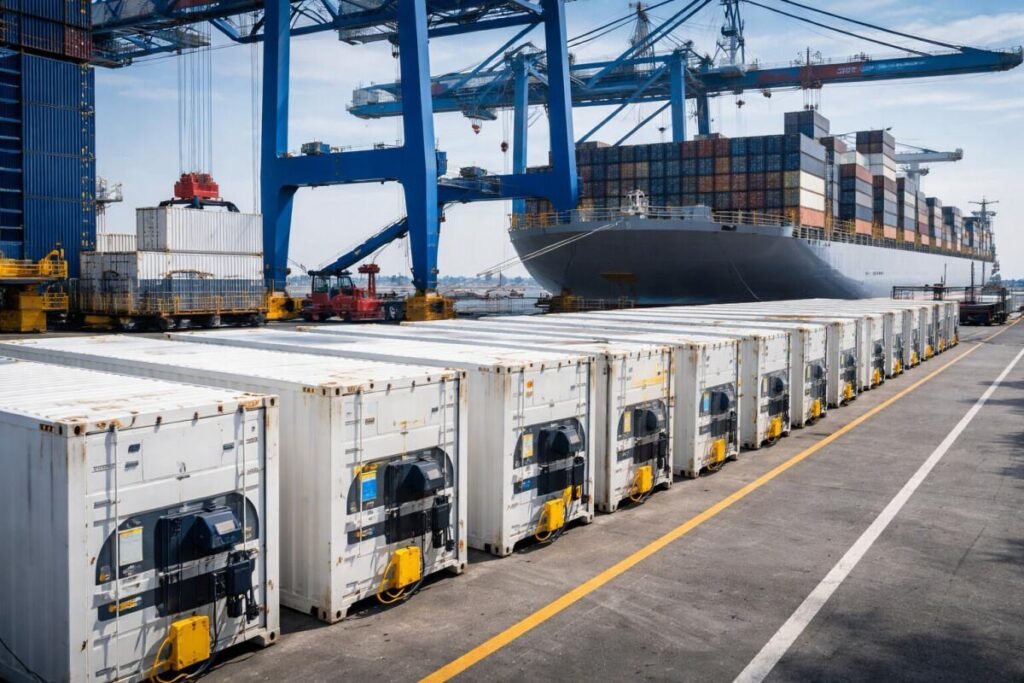
Refrigerated containers, also known as reefer containers, are designed to transport temperature-sensitive products.
They feature insulated walls and refrigeration systems that maintain controlled temperatures.
Common applications include:
- Frozen food transportation.
- Fresh fruit and vegetables.
- Meat and seafood.
- Pharmaceutical products.
- Temperature-sensitive cargo.
Open Top Conex Containers
Open top containers feature removable roof coverings that allow cargo to be loaded from above.
They are particularly useful for transporting tall machinery and oversized equipment.
Flat Rack Conex Containers
Flat rack containers are designed for transporting oversized and unusually shaped cargo.
They are commonly used for heavy machinery, industrial equipment, vehicles and construction materials.
Benefits of Using Conex Containers
Conex containers offer several advantages that make them valuable for businesses, individuals and industrial operations.
1. Durability and Strength
Conex containers are manufactured using strong steel materials designed to withstand demanding transportation environments.
Their reinforced construction makes them suitable for various storage and commercial applications.
2. Secure Storage
Their heavy-duty doors and locking mechanisms provide an additional layer of protection for stored goods.
Businesses can use them to store equipment, tools, inventory and other valuable materials.
3. Weather Protection
Properly maintained and wind-and-watertight containers help protect stored products from ordinary rain and wind.
However, regular inspection and maintenance are important to preserve their protective capabilities.
4. Versatile Applications
Conex containers can be used for much more than transporting cargo.
They can be converted into:
- Commercial offices.
- Workshops.
- Retail spaces.
- Storage facilities.
- Agricultural buildings.
- Temporary accommodation.
- Custom container structures.
5. Cost-Effective Storage
Purchasing a suitable used Conex container can provide additional storage space without the expense of constructing a permanent building.
This makes them attractive to businesses looking for practical storage solutions.
6. Easy Transportation
Standard shipping containers are designed for intermodal transportation.
They can be transferred between ships, trains and specialised trucks without unloading their contents during each stage of transportation.
What to Consider Before Buying Conex Containers
Purchasing a Conex container requires careful consideration to ensure that you select a suitable product.
1. Determine Your Required Size
Before purchasing, consider how much storage space you need.
A 10ft container may be suitable for smaller storage requirements, while 20ft and 40ft containers offer additional capacity.
2. Check the Container Condition
Container condition is particularly important when purchasing used units.
Inspect the following:
- Exterior steel panels.
- Roof condition.
- Flooring.
- Door seals.
- Locking mechanisms.
- Corner castings.
- Signs of corrosion.
- Previous repairs.
3. Choose Between New and Used Containers
New or one-trip containers generally offer a cleaner appearance and less previous wear.
Used containers are often more affordable and can provide excellent value when properly inspected.Read our blg for more information New Vs Used Shipping Containers.
4. Consider Delivery Requirements
Before placing an order, confirm that your property has sufficient access for the delivery vehicle.
Consider road access, ground conditions, overhead obstructions and the space required for unloading.Read our blog How to Move A Sea Container Safely.
5. Compare Prices
Container prices depend on several factors, including:
- Container dimensions.
- Age and condition.
- Container type.
- Availability.
- Transportation distance.
- Delivery arrangements.
Always compare the total delivered cost rather than focusing exclusively on the purchase price.
Conex Containers for Commercial and Residential Applications
Conex containers are used across numerous industries because of their flexibility and practical design.
Construction Industry
Construction companies use Conex containers to store building materials, tools, machinery and equipment.
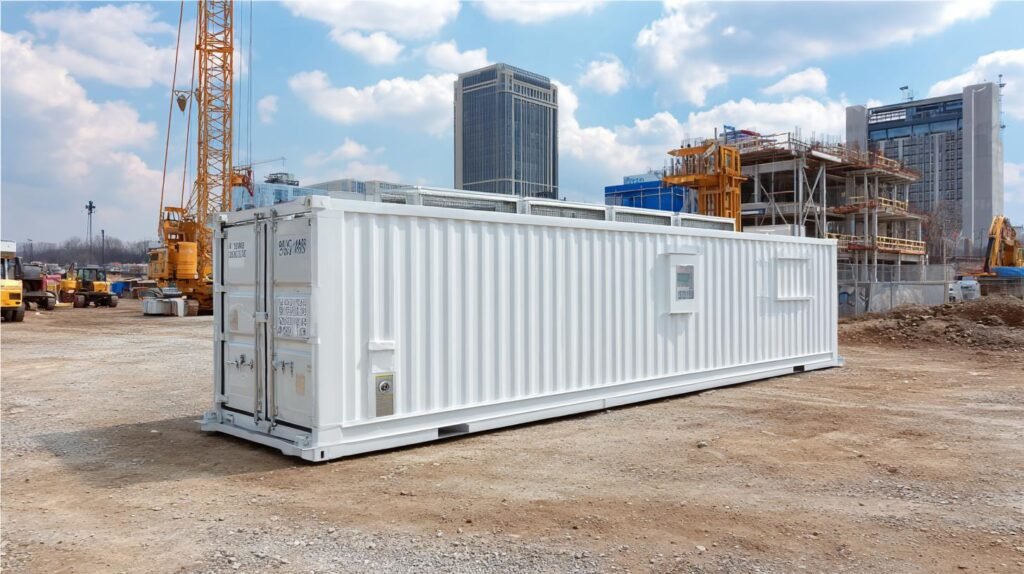
They can also be modified into temporary offices and site facilities.
Agricultural Industry
Farmers use shipping containers to store tools, agricultural equipment and certain supplies.
Suitable ventilation and moisture management should be considered depending on the products being stored.
Commercial Businesses
Businesses use Conex containers for inventory management, additional storage and temporary commercial facilities.
Residential Applications
Homeowners can use Conex containers for furniture storage, gardening equipment and other household belongings.
With appropriate modifications, containers can also be converted into offices, workshops and residential structures.
How to Maintain Your Conex Container
Regular maintenance can help extend the useful life of your container.
Inspect for Rust and Corrosion
Examine the exterior steel panels regularly for corrosion, particularly around damaged paintwork and areas exposed to moisture.
Check the Roof
Inspect the roof for dents, rust and potential water-entry points.
Maintain the Doors
Check the hinges, locking bars and rubber seals to ensure that the doors operate correctly.
Keep the Container Ventilated
Appropriate ventilation can help reduce condensation and moisture accumulation inside the container.
Maintain the Flooring
Inspect the floor for cracks, excessive wear and signs of moisture damage.
Where Can You Buy Conex Containers?
Finding the right supplier is an important part of purchasing a Conex container.
Buyers should consider product availability, container condition, photographs, pricing and delivery arrangements before making a decision.
At Sea Containers For Sale, we provide shipping container solutions for customers looking for different sizes, types and applications.
Whether you require a 20ft container for general storage, a 40ft container for commercial use or a specialised refrigerated container, exploring the available options can help you find a suitable solution.
Visit our website to explore our available shipping containers and discover options for your next project.
Frequently Asked Questions About Conex Containers
Are Conex containers the same as shipping containers?
Yes. In modern usage, Conex containers and shipping containers generally refer to the same type of standardised steel cargo container.
What does CONEX stand for?
CONEX stands for Container Express, a term associated with the United States military’s container transportation system introduced during the early 1950s.
What are the most popular Conex container sizes?
The most common modern sizes include 20ft and 40ft containers. Other options include 10ft, 40ft High Cube and 45ft containers.
Are Conex containers waterproof?
Containers in good wind-and-watertight condition are designed to prevent ordinary wind and rain from entering when properly closed.
However, their seals, roof and structural condition should be inspected regularly.
Can Conex containers be used for storage?
Yes. They are widely used for storing commercial inventory, construction equipment, agricultural supplies, machinery and household belongings.
How long do Conex containers last?
Their lifespan depends on their original condition, maintenance, usage and environmental exposure. Properly maintained containers can provide many years of additional service.
Are used Conex containers worth buying?
Yes. Properly inspected used containers can provide an affordable and practical storage solution.
However, buyers should inspect their structural condition, doors, flooring and weather protection before purchasing.Read our blog on Used shipping Containers.
Can Conex containers be modified?
Yes. Depending on their structural condition, Conex containers can be modified with additional doors, windows, insulation, ventilation, electrical installations and other features.Read our blog on How To Vent A Sea Container.
Final Thoughts on Conex Containers
Conex containers provide durable, versatile and practical solutions for transportation, storage and commercial applications.
From compact 10ft containers to larger 40ft and 45ft units, there are different options available to accommodate various requirements.
Understanding container sizes, types, condition grades and maintenance requirements can help you make a more informed purchasing decision.
Whether you are a business owner, contractor, farmer or individual looking for additional storage space, choosing the right Conex container can provide long-term value.
At Sea Containers For Sale, we are committed to helping customers explore practical shipping container solutions.
Visit seacontainersforsale.com today to discover available shipping containers and find the right option for your requirements.