What Are Shipping Containers Made Of?
Shipping containers are designed to withstand some of the toughest transportation and storage conditions in the world. They travel across oceans, are exposed to rain and salt air, are lifted by cranes and can be stacked several containers high.
So, what are shipping containers made of?
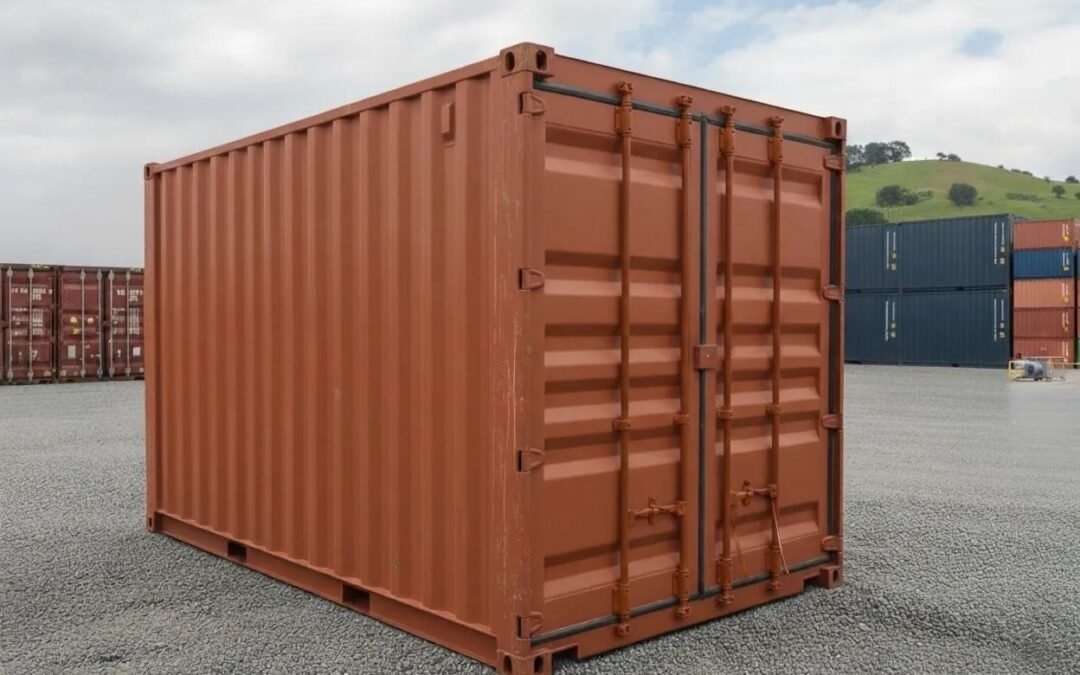
Most standard shipping containers are constructed primarily from Corten steel, also known as weathering steel, with other materials used for components such as the flooring, door seals and hardware. The combination of strong steel, corrugated panels and reinforced structural components gives shipping containers their durability and versatility.
Whether you are considering a container for international transportation, storage, construction or a conversion project, understanding the materials used to build it can help you make a more informed purchasing decision.
What Is the Main Material Used in Shipping Containers?
The primary material used in most standard shipping containers is Corten weathering steel.
Corten steel is a high-strength steel designed to develop a stable protective oxide layer when exposed to the elements. This characteristic helps slow further corrosion and makes the material particularly useful for equipment that spends years outdoors.
Why Is Corten Steel Used for Shipping Containers?
Shipping containers need to be strong enough to handle:
- Heavy cargo
- Ocean transportation
- Crane lifting
- Stacking
- Road and rail transportation
- Rain and moisture
- Temperature changes
- Salt-air environments
Corten steel provides a combination of structural strength and weather resistance that makes it suitable for these demanding conditions.
How Does Corten Steel Resist Rust?
Corten steel is sometimes described as “rust-resistant,” but it is important to understand what that means.
When weathering steel is exposed to the atmosphere, it can develop a protective oxide layer. This patina helps slow additional corrosion under suitable conditions. It does not mean the container is completely rust-proof.
For this reason, significant corrosion, especially around structural components, should always be inspected when purchasing a used shipping container.
Does Corten Steel Eventually Rust?
Yes. Corten steel can develop surface oxidation. The important difference is that its weathering characteristics can help limit the progression of corrosion compared with ordinary unprotected steel under appropriate conditions.
The actual condition of an individual container depends on its age, environment, maintenance and previous use.
What Parts of a Shipping Container Are Made of Steel?
Steel is used throughout the main structural system of a standard shipping container.
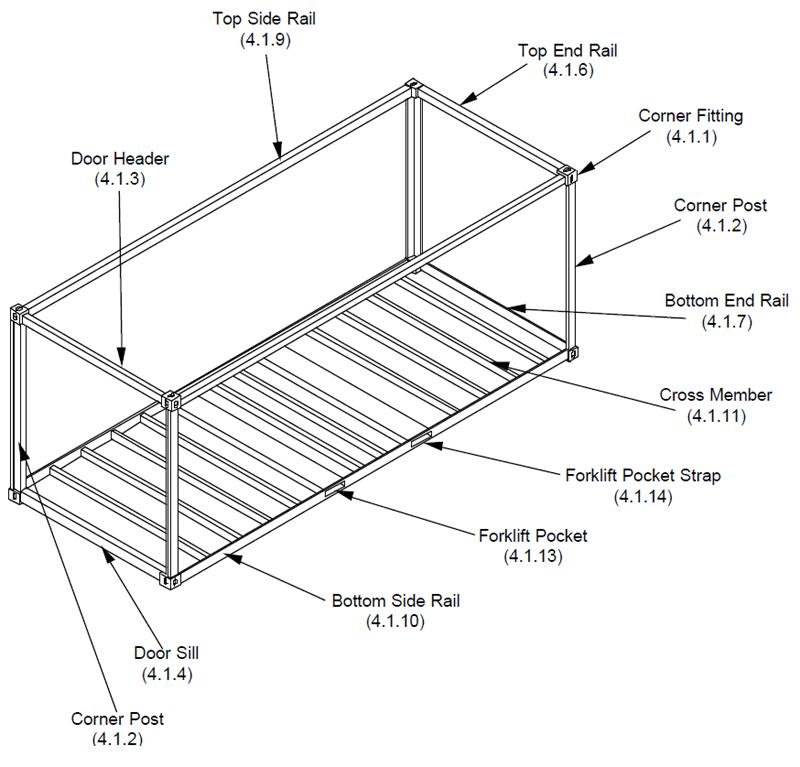
Major steel components include:
- Corrugated side walls
- Roof panels
- End walls
- Door panels
- Corner posts
- Top and bottom rails
- Cross members
- Corner castings
- Door frames
Research on ISO shipping containers identifies Corten steel as the material used for many of the major structural components.
6
Shipping Container Walls
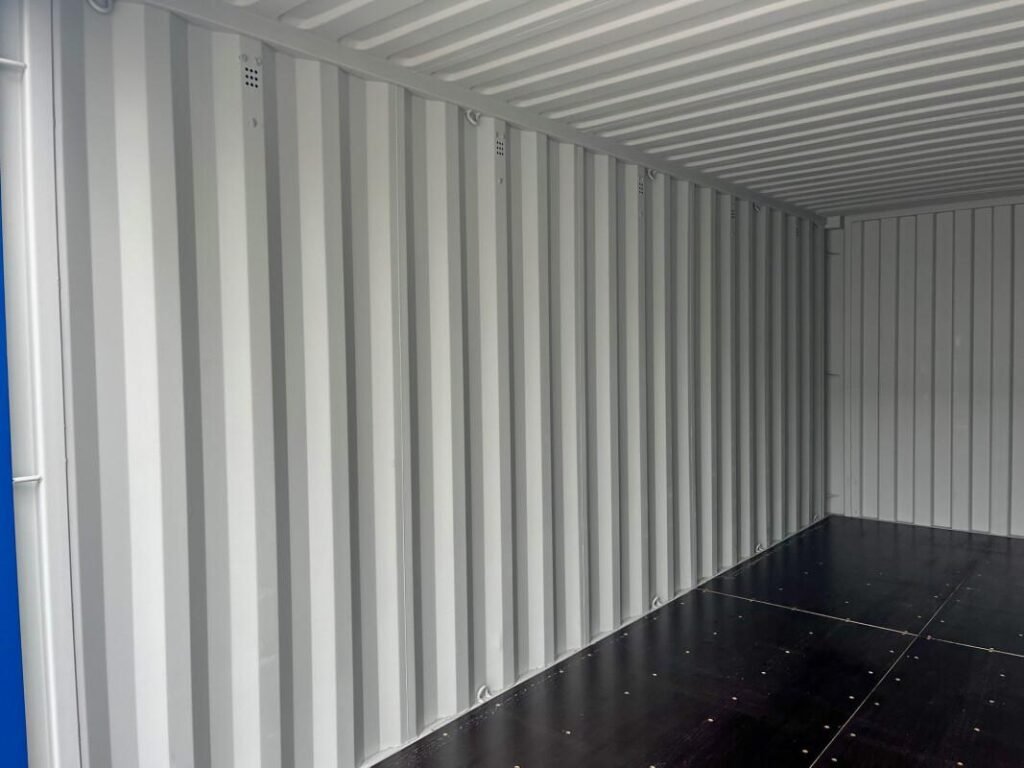
The walls of a standard shipping container are normally made from corrugated steel panels.
The corrugated design is important because the ribs increase stiffness without requiring the entire wall to be made from an extremely thick flat steel plate.
Why Are Shipping Container Walls Corrugated?
Corrugation gives the panels additional structural rigidity.
Instead of using a completely flat sheet, the steel is formed into repeated ridges and grooves. These shapes help the wall resist bending and deformation.
This is one reason shipping containers can remain relatively lightweight while still providing substantial structural strength.
Are Shipping Container Walls Very Thick?
The steel panels are not necessarily extremely thick. Much of their strength comes from the shape and overall structural design of the container rather than simply using very thick steel.
The structural frame, corner posts, rails and corrugated panels work together as a system.
What Are Shipping Container Floors Made Of?
The floor is one of the areas where shipping containers differ from a simple all-steel box.
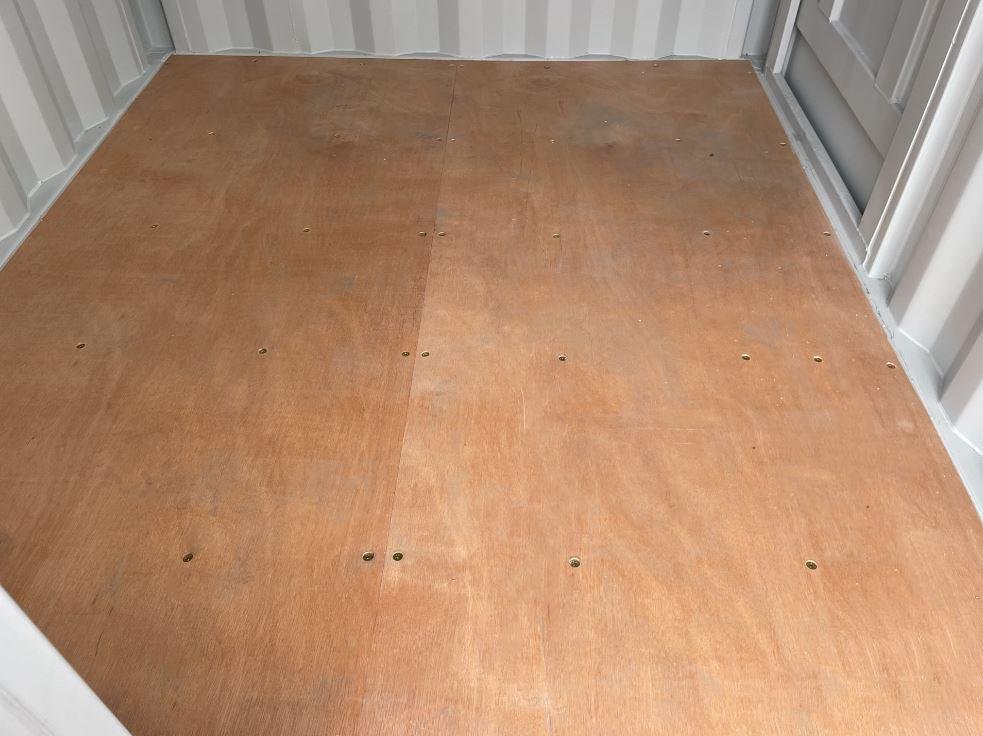
Most standard containers use marine-grade plywood or another suitable engineered flooring material supported by steel cross members.
5
Why Is Plywood Used?
Marine-grade plywood provides a durable surface capable of supporting substantial cargo loads while working with the steel structure underneath.
The floor is supported by steel cross members, which distribute loads through the container’s structural frame.
Can Shipping Container Flooring Be Replaced?
Yes. Depending on the container’s condition and intended use, damaged flooring can be repaired or replaced.
This is particularly important when buying a used container because the floor may have experienced years of heavy cargo handling.
What Should You Check on a Container Floor?
When inspecting a used shipping container, look for:
- Cracked or damaged boards
- Soft areas
- Water damage
- Excessive wear
- Contamination
- Missing sections
- Evidence of previous repairs
What Are Shipping Container Doors Made Of?
Shipping container doors are primarily constructed from steel and are reinforced to provide security and durability.
A typical cargo door system includes:
- Steel door panels
- Door frames
- Hinges
- Locking bars
- Locking handles
- Door seals
- Rubber gaskets
The doors are designed to create a secure closure while helping protect cargo from weather and water ingress.
What Are Container Door Seals Made Of?
Container door seals are generally made from heavy-duty rubber or similar sealing materials.
These seals are important because they help create a weather-resistant barrier around the door opening.
What Are Shipping Container Corner Castings Made Of?
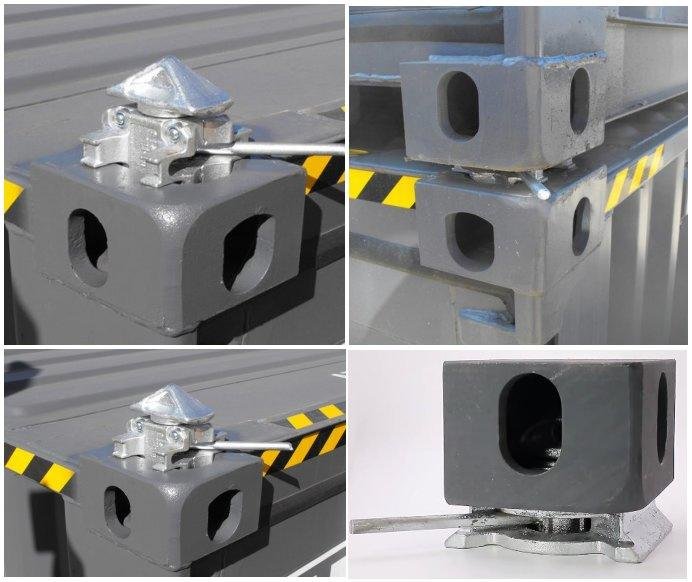
The large fittings located at the eight corners of a standard container are called corner castings.
They are manufactured from strong cast steel and are essential to the container’s handling system.
Corner castings allow containers to:
- Be lifted by cranes
- Be secured during transportation
- Be stacked
- Connect with twist-lock systems
- Interface with compatible handling equipment
Corner castings are therefore among the most important structural and handling components of an ISO container.
5
What Are Shipping Container Roofs Made Of?
The roof of a standard shipping container is generally made from corrugated steel.
The roof has several important functions:
- Protecting cargo from rain
- Contributing to the structural enclosure
- Providing resistance to outdoor conditions
- Helping maintain the container’s overall rigidity
Because the roof is exposed directly to weather, it should be inspected carefully when purchasing a used container.
Why Should You Inspect the Container Roof?
A damaged roof can allow water to enter the container.
When buying a used container, inspect for:
- Rust
- Holes
- Dents
- Previous repairs
- Damaged seams
- Water staining inside the container
A container may look good from the side while having significant roof damage.
What Are Shipping Container Frames Made Of?
The main frame of a shipping container is made from structural steel.
Important structural components include:
- Corner posts
- Top side rails
- Bottom side rails
- End frames
- Door headers
- Cross members
These components provide much of the container’s structural strength.
Why Is the Container Frame Important?
The frame is responsible for transferring loads through the container.
It also allows containers to withstand:
- Stacking forces
- Lifting forces
- Transport stresses
- Cargo loads
This is why structural damage to a container should not be ignored.
Are All Shipping Containers Made From Corten Steel?
No, not every type of container is necessarily constructed from exactly the same materials.
Standard dry freight containers commonly use Corten or weathering steel, but specialized containers can use different materials or combinations depending on their purpose.
For example, some specialized lightweight containers may use aluminum or other materials.
The material specification can therefore vary according to:
- Container type
- Manufacturer
- Intended application
- Design requirements
- Manufacturing specifications
Why Are Shipping Containers Made From Steel?
There are several reasons steel is the dominant material.
Strength
Containers need to withstand heavy cargo and stacking loads.
Durability
They can remain in service for many years when properly maintained.
Weather Resistance
Weathering steel is designed to perform in outdoor environments.
Security
Steel walls and doors provide a strong physical barrier around stored goods.
Reusability
Once a container is no longer required for international shipping, it can potentially be reused for storage, workshops, offices, construction projects and other applications.
How Are Shipping Containers Manufactured?
Although manufacturing processes vary between manufacturers, the basic process involves forming steel components and assembling them into a structural container.
A simplified process includes:
- Steel sheets are prepared.
- Wall panels are formed into corrugated profiles.
- Structural steel components are fabricated.
- Panels and frames are welded together.
- Corner castings are installed.
- Steel cross members are fitted.
- The floor is installed.
- Doors and locking mechanisms are fitted.
- Surface preparation and protective coatings are applied.
- The finished container is inspected.
A container is therefore much more than a simple steel box. Its strength comes from the combination of materials, geometry, welding and structural design.
How Do the Materials Affect the Container’s Lifespan?
The materials used in a shipping container contribute significantly to its durability, but material alone does not determine lifespan.
Other factors include:
- Climate
- Salt exposure
- Maintenance
- Frequency of use
- Previous repairs
- Corrosion
- Container handling
- Flooring condition
- Quality of manufacturing
A container that has spent years in a harsh marine environment may have a different condition from a similar-aged container that has primarily been used for inland storage.
What Should You Check When Buying a Shipping Container?
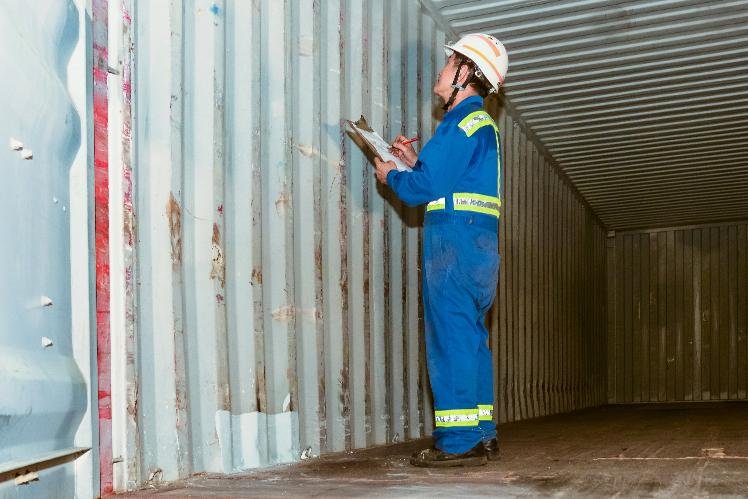
Understanding what shipping containers are made of can help you inspect one before purchasing.
7
Check the Steel Walls
Look for:
- Significant corrosion
- Holes
- Large dents
- Previous repairs
- Distorted panels
Check the Roof
Look for signs of:
- Water penetration
- Rust
- Holes
- Repairs
- Severe dents
Check the Doors
Make sure the doors:
- Open correctly
- Close correctly
- Lock properly
- Have functional seals
- Do not show excessive structural damage
Check the Floor
Inspect for:
- Damage
- Soft spots
- Water damage
- Excessive wear
- Contamination
Check the Corner Castings and Frame
The structural frame and corner castings are particularly important because they are involved in lifting, stacking and handling.
Does the Material Matter When Buying a Sea Container?
Yes. Understanding the construction of a container can help you select a unit suitable for your intended application.
For example, someone looking for a container for simple storage may have different requirements from someone planning a container home, workshop or commercial conversion.
If you are comparing different sizes and conditions, our Sea Container – The Complete Guide to Buying the Right Shipping Container covers container sizes, conditions, applications and factors to consider before purchasing.
Related Shipping Container Guides
For more information about buying and using shipping containers, explore these related guides from Sea Containers For Sale:
How to Move a Sea Container Safely
If you already own a container or are planning delivery, read our How to Move a Sea Container Safely: Complete Guide for information about transportation, site access, handling equipment and preparation.
How Many Shipping Containers Are Lost at Sea Every Year?
Interested in the challenges containers face during ocean transportation? Read our How Many Shipping Containers Are Lost at Sea Every Year? guide.
How to Build a Sea Container Home
If you are interested in converting a container into a building, our How to Build a Sea Container Home guide covers planning, foundations, structural modifications, insulation and other considerations.
Frequently Asked Questions
What are shipping containers made of?
Most standard shipping containers are made primarily from Corten weathering steel, with marine-grade plywood or similar flooring, steel structural components, cast-steel corner fittings and rubber door seals.
Are shipping containers made entirely of steel?
No. Although steel makes up most of the main structure, other materials are used for components such as flooring, door seals and certain fittings.
Is Corten steel the same as regular steel?
Corten is a type of weathering steel designed to develop a protective surface patina under suitable atmospheric conditions. It is widely used in shipping-container construction.
Why are shipping containers made from Corten steel?
Corten steel provides a combination of strength and weathering performance that is well suited to containers exposed to demanding outdoor and marine environments.
What are shipping container floors made from?
Standard shipping containers commonly use marine-grade plywood or another suitable flooring material supported by steel cross members.
Can shipping containers rust?
Yes. Shipping containers can develop rust, particularly when coatings are damaged or when they are exposed to prolonged moisture and harsh environments. Weathering steel can slow corrosion, but it does not make a container completely rust-proof.
Conclusion: What Are Shipping Containers Made Of?
So, what are shipping containers made of?
The answer is primarily Corten weathering steel, supported by a carefully engineered combination of structural steel components. Marine-grade plywood or similar materials are commonly used for the floor, while cast steel is used for important corner fittings and rubber materials are used for door seals.
This combination allows shipping containers to provide strength, durability, security and weather resistance while remaining practical for international transportation and many land-based applications.
Whether you’re looking for a 20ft container, 40ft container, High Cube container or a container for a conversion project, understanding its construction is an important part of making the right purchasing decision.
Ready to find the right container for your project? Explore the latest options available from Sea Containers For Sale and compare container sizes, conditions and applications before making your decision.