Would a Shipping Container Make a Suitable Bomb Shelter?
Shipping containers are made from strong steel and are designed to withstand demanding transportation conditions. This naturally raises an important question: would a shipping container make a suitable bomb shelter?
The short answer is not by itself.
Although a shipping container can provide a strong enclosure for storage or other applications, an ordinary shipping container has not automatically been engineered or certified to protect occupants from blast pressure, structural collapse, flying debris, fire, smoke or other hazards associated with explosions.
Research into shipping-container structures shows that their structural performance depends on the original design, load paths, foundations, connections and any modifications made to the container.
What Is a Shipping Container?
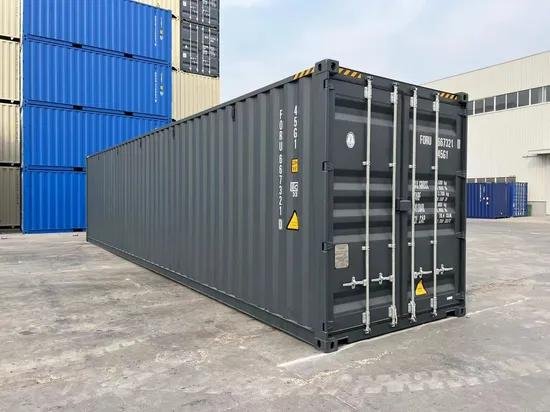
A shipping container is a standardized steel cargo unit designed primarily for transporting goods by sea, road and rail.
Common sizes include:
- 20-foot containers
- 40-foot containers
- 40-foot High Cube containers
- Specialized refrigerated containers
- Modified and purpose-built containers
Their steel construction gives them useful structural characteristics, but strength does not automatically equal blast resistance.
Why Are Shipping Containers Considered Strong?
Shipping containers use a combination of:
- Steel corner posts
- Corner castings
- Top and bottom rails
- Corrugated steel wall panels
- Steel roof components
- A reinforced floor structure
The corner posts and castings are particularly important to the container’s structural system. The container’s walls and frame also contribute to resistance against different types of loading.
However, a container’s original engineering purpose is transportation and cargo protection—not necessarily occupant protection from explosions.
Does Steel Make a Container Blast-Proof?
No.
Steel can be strong while still behaving differently under a sudden blast load. A structure intended for blast protection requires engineering that considers the expected hazard, pressure, debris, structural response, occupant safety and other factors.
Therefore, it would be unsafe to describe a standard shipping container as bomb-proof or blast-proof simply because it is made from steel.
Strength and Blast Protection Are Different Things
A useful distinction is:
Container strength =/= certified blast protection
A shipping container may withstand substantial everyday transportation loads, yet that does not establish how it would perform during a particular explosion.
Would a Shipping Container Make a Suitable Bomb Shelter?
For a standard, unmodified shipping container, there is no basis for assuming that it would provide adequate protection as a bomb shelter.
A container could potentially form part of a professionally engineered emergency or protective structure, but that is very different from placing a normal container on a property and calling it a bomb shelter.
The suitability would depend on factors such as:
- The specific threat being considered
- Expected blast effects
- Location
- Surrounding structures
- Foundation and anchorage
- Structural design
- Ventilation
- Fire protection
- Emergency access and escape
- Occupancy
- Applicable building and safety requirements
Protective shelter standards emphasize structural resistance as well as occupant life-safety issues such as ventilation, egress, lighting, sanitation and fire safety.
Potential Advantages of Using a Shipping Container
While a standard container should not automatically be treated as a bomb shelter, containers do have characteristics that can make them interesting for certain emergency and temporary structures.
Strong Steel Construction
Shipping containers are manufactured using steel structural components intended to withstand demanding transportation conditions.
This can make them useful starting points for certain engineered modular structures.
Enclosed Structure
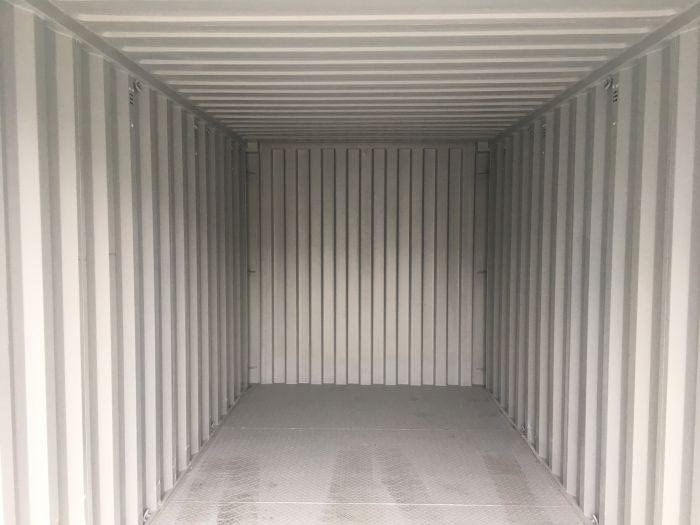
A container provides a ready-made enclosed volume.
For applications such as storage, temporary facilities or emergency logistics, this can reduce the amount of conventional construction required.
Modular Design
Containers are standardized and can be transported and positioned using established handling systems.
Their modular nature makes them useful for a variety of projects.
Reusable Construction
Repurposing an existing container can provide a practical way to create certain temporary or permanent structures.
However, any conversion should consider structural modifications, insulation, ventilation and applicable regulations.
Important Limitations of a Standard Shipping Container
There are several reasons why simply purchasing a container does not create a suitable bomb shelter.
The Container Was Not Designed Specifically for Blast Protection
A normal cargo container is designed primarily around cargo transportation.
Its original design does not mean it has been tested or certified for every type of explosion or blast scenario.
Modifications Can Change Structural Performance
Cutting doors, windows, vents or other openings into a container changes its structural load paths.
Engineering research and current container-conversion guidance emphasize that structural modifications need to be properly assessed and reinforced.
Why Professional Engineering Matters
A container that has been heavily modified may behave differently from an original cargo container.
Structural professionals can assess:
- Load paths
- Connections
- Openings
- Foundations
- Anchoring
- Additional structural components
- Applicable design loads
Avoid Assuming That More Steel Automatically Means More Protection
Adding steel without a proper structural design does not automatically make a shelter safer.
The entire structural system needs to be considered rather than focusing on the thickness of one component.
What About Underground Placement?
Some people consider placing a shipping container underground because soil can provide substantial separation from external hazards.
However, burying a shipping container does not automatically turn it into a safe shelter.
Underground Containers Have Additional Engineering Issues
An underground container can face loads that are very different from those encountered during normal transportation.
Potential considerations include:
- Soil pressure
- Groundwater
- Drainage
- Corrosion
- Ventilation
- Structural deformation
- Access and escape
- Emergency services access
- Waterproofing
A professional engineer should determine whether a particular structure is appropriate for underground use.
Water and Ventilation Are Especially Important
An underground enclosed structure requires carefully designed drainage and ventilation.
Without appropriate engineering, groundwater intrusion, condensation or inadequate fresh-air supply can create serious hazards.
Do Not Treat Underground Placement as a DIY Safety Solution
A container placed underground without proper structural and building design should not be assumed to provide reliable protection.
What Makes a Purpose-Designed Protective Shelter Different?
A purpose-designed shelter is engineered around the hazards it is expected to withstand.
Structural Design
The structure needs to be evaluated for the relevant loads and expected failure modes.
Ventilation
Occupants require an appropriate supply of breathable air.
Emergency Egress
A protective structure needs a safe way for occupants to enter and leave.
Fire and Life Safety
Protective shelter design also needs to consider fire safety and other risks to occupants.
Professional Certification and Local Requirements
Depending on the location and intended use, building regulations, engineering requirements and specialist standards may apply.
ICC’s shelter standards, for example, address structural resistance alongside occupant life-safety considerations.
Can a Shipping Container Be Used for Emergency Preparedness?
Yes, shipping containers can be useful for emergency preparedness, but their role does not have to be as a bomb shelter.
Emergency Storage
Containers can provide secure storage for:
- Emergency equipment
- Food supplies
- Tools
- Water-storage equipment
- Temporary supplies
- Construction materials
Emergency Operations Space
Professionally modified containers can also be used for certain temporary operational purposes.
Temporary Accommodation
With appropriate engineering and building approvals, containers can be converted into offices, accommodation and other occupied spaces.
For anyone considering a residential conversion, our guide on how to build a sea container home provides an overview of foundations, structural modifications, insulation and building requirements.
What Should You Consider Before Buying a Container for an Emergency Project?
If your objective is emergency preparedness rather than specifically creating a blast shelter, start with the intended use.
Container Condition
Inspect:
- Corner castings
- Corner posts
- Roof
- Side walls
- Doors
- Floor
- Welds
- Previous repairs
- Signs of serious corrosion
Structural serviceability is particularly important when a container will be repurposed. Regulations governing freight containers carrying certain explosive materials, for example, specifically identify structural components such as corner posts, rails and corner fittings when defining structural serviceability.
Size
Consider whether a 20-foot, 40-foot or High Cube container is appropriate for your intended application.
Delivery Access
The container must be capable of reaching the intended site.
Our guide on how to move a sea container safely covers inspection, access planning, handling equipment and transportation considerations.
Site Conditions
Consider:
- Ground stability
- Drainage
- Access
- Slope
- Flooding
- Overhead obstructions
- Foundation requirements
Shipping Container Safety: Questions to Ask
Before purchasing a container for an unusual application, ask:
What Is the Container Intended to Do?
Storage, transportation, emergency logistics and occupied accommodation all have different requirements.
Has the Structure Been Professionally Assessed?
If the container is intended for an unusual structural application, professional assessment can help determine whether the design is appropriate.
Are Modifications Required?
Doors, windows, ventilation systems and other modifications can alter the original structural configuration.
What Regulations Apply?
Local building authorities and qualified professionals can explain the requirements applicable to your site and intended use.
How Much Does a Shipping Container Cost?
The cost of a shipping container varies according to:
- Size
- Condition
- Grade
- Location
- Availability
- Delivery
- Modifications
- Special requirements
For a detailed overview, see our Shipping Container Cost Guide.
Remember that a standard container price is very different from the cost of creating a professionally engineered protective structure.
Frequently Asked Questions
Would a shipping container make a suitable bomb shelter?
A standard shipping container should not be assumed to be a suitable bomb shelter. It was designed primarily for cargo transportation, and blast protection requires specific engineering based on the anticipated hazards.
Are shipping containers blast-proof?
Standard shipping containers should not be described as blast-proof. Their structural characteristics do not by themselves establish resistance to a particular explosive event.
Can a shipping container be modified for emergency use?
Yes. Containers can be modified for many emergency and operational applications. However, structural modifications should be properly designed and assessed.
Is an underground shipping container automatically safer?
No. Underground placement introduces additional structural, drainage, waterproofing, ventilation and access considerations.
Can a shipping container be used for emergency storage?
Yes. Shipping containers can be useful for secure storage of emergency supplies, equipment and materials.
Final Thoughts
So, would a shipping container make a suitable bomb shelter?
An ordinary shipping container should not be treated as a ready-made bomb shelter. Its steel construction provides useful structural characteristics, but blast protection involves much more than simply having thick or strong steel walls.
If a container is being considered as part of a protective or emergency structure, the design should be based on the specific hazard, site conditions, structural requirements and applicable regulations, with qualified professional input where necessary.
For ordinary applications such as storage, transportation, workshops and other container projects, selecting the correct container condition and specification remains important.
Explore the complete sea container buying guide for information about container sizes, conditions, applications and purchasing considerations.
You can also browse shipping containers for sale at Sea Containers For Sale to compare available options for your project.