What Company Makes Shipping Containers?
If you have ever wondered what company makes shipping containers, you may be surprised to learn that the global container industry is made up of several major manufacturers rather than a single company.
Shipping containers are manufactured by specialist container companies that produce standardized steel units for international transportation by sea, road and rail. Some manufacturers also produce refrigerated containers, tank containers, flat racks, open-top containers and other specialized equipment.
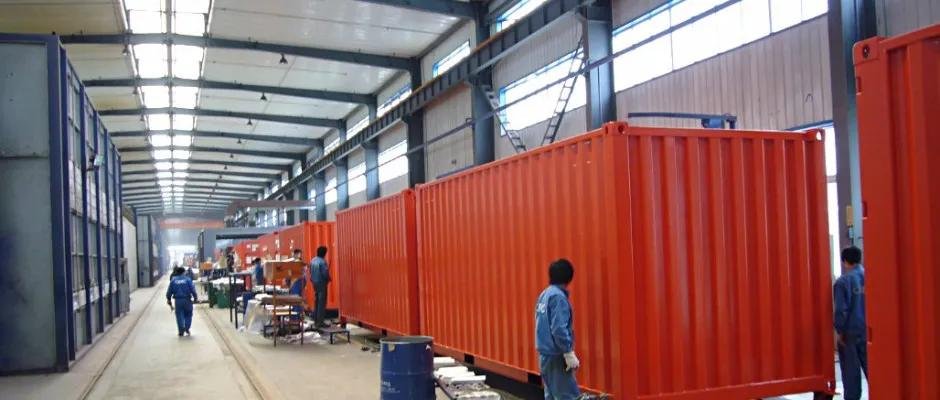
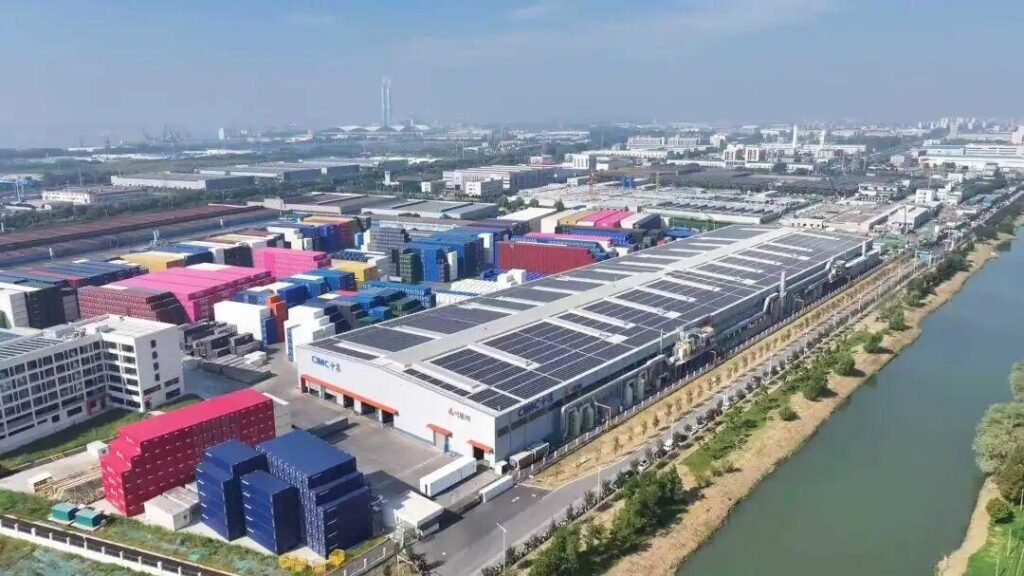
Many of the world’s major container manufacturing facilities are located in China, which has become a major production center for the global container industry. For example, CIMC says its container business includes dry cargo, refrigerated and special containers and operates manufacturing bases at major ports in mainland China.
Who Makes Shipping Containers?
There are several established companies involved in manufacturing shipping containers. Two major manufacturers include China International Marine Containers (CIMC) and Singamas.
These companies manufacture containers for the international logistics industry and produce different types of equipment depending on customer and cargo requirements.
China International Marine Containers (CIMC)
CIMC is one of the major names in the shipping container manufacturing industry. Its container business includes:
- Standard dry cargo containers
- Refrigerated containers
- Special containers
- Modular building products
- Specialized equipment
- Container floors
CIMC states that its container business is its longest-established and largest-scale business, with manufacturing bases across important ports in mainland China.
Singamas
Singamas is another established container manufacturer. The company says it operates production factories in China producing products including dry freight containers and collapsible flatrack containers.
Its wider product range includes:
- Dry freight containers
- Collapsible flatracks
- Open-top containers
- Tank containers
- Offshore containers
- Specialized containers
- Refrigerated containers
Singamas also operates multiple manufacturing facilities in locations including Shanghai, Xiamen and Huizhou.
Where Are Shipping Containers Manufactured?
A significant proportion of the world’s shipping containers are manufactured in China.
China has developed a large container manufacturing industry because of its extensive steel production, industrial infrastructure, ports, supply chains and access to international shipping routes.
Manufacturing containers close to major ports also makes it easier for finished units to enter the global logistics network.
Why Are So Many Containers Made in China?
Several factors have contributed to China’s importance in container manufacturing.
Large Industrial Supply Chain
Shipping containers require large quantities of steel and other components. China’s extensive industrial supply chain supports large-scale production.
Major Ports
Many container factories are located relatively close to major ports, helping manufacturers move finished containers into international shipping networks.
Large-Scale Production
Manufacturers can produce large quantities of standardized containers using specialized production lines and automation.
What Are Shipping Containers Made From?
Most standard shipping containers are constructed primarily from steel.
A typical container includes several major components:
- Corrugated steel side panels
- Steel roof
- Steel doors
- Steel corner posts
- Corner castings
- Steel floor framework
- Marine-grade plywood or another suitable flooring material
- Protective paint and coatings
The combination of these components creates a strong structure capable of being lifted, stacked and transported repeatedly.
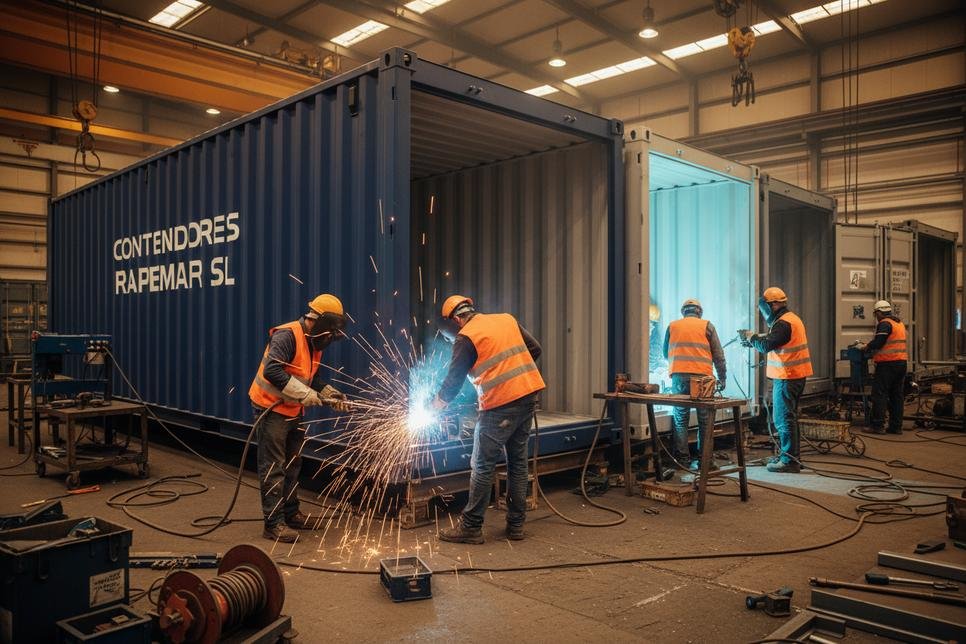
How Are Shipping Containers Manufactured?
Manufacturing a shipping container involves several stages.
1. Steel Preparation
Steel sheets and structural components are prepared and cut to the required dimensions.
2. Panel Production
Steel sheets are formed into corrugated panels. The corrugation provides strength while keeping the panels relatively lightweight.
3. Frame Assembly
The container’s structural frame is assembled using components such as corner posts, rails and cross members.
4. Welding
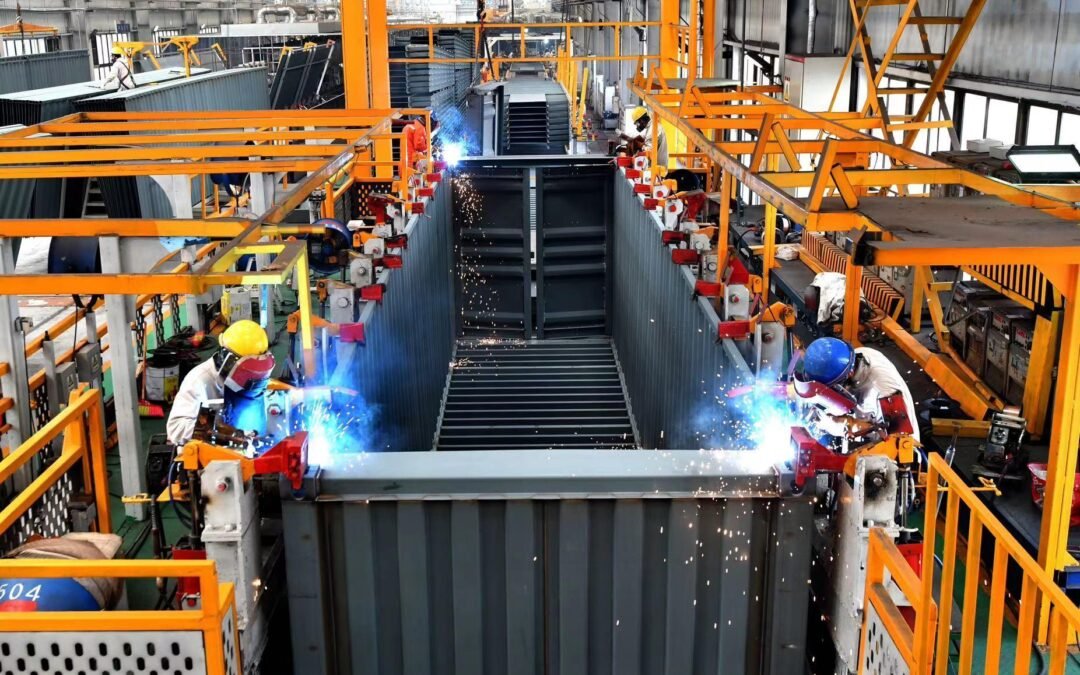
The steel panels and structural components are welded together to create the container body.
5. Flooring Installation
The floor structure is installed, followed by the appropriate flooring material.
6. Doors and Hardware
Cargo doors, locking bars, hinges, seals and other hardware are fitted.
7. Painting and Protection
The container receives protective coatings and paint designed to help protect the steel from corrosion and harsh environmental conditions.
8. Inspection
Finished containers are inspected to ensure they meet the applicable specifications and customer requirements.
What Types of Shipping Containers Do Companies Make?
Container manufacturers produce much more than the standard 20-foot and 40-foot containers.
Standard Dry Containers
These are the most common shipping containers and are used for transporting general cargo.
Common sizes include:
Refrigerated Containers
Refrigerated containers, commonly called reefers, are designed for temperature-sensitive cargo such as food, pharmaceuticals and other products requiring controlled temperatures.
Open-Top Containers
Open-top containers can be useful for cargo that is too tall to load through conventional container doors.
Flat Rack Containers
Flat racks are designed for oversized or unusually shaped cargo.
Tank Containers
Tank containers are designed to transport certain liquids, gases and other specialized cargo.
Singamas, for example, lists tank containers and other specialized container products among its manufacturing activities.
Are Shipping Containers Made by Shipping Lines?
Not necessarily.
A common misconception is that shipping companies manufacture all the containers carrying their cargo. In reality, specialized container manufacturers produce containers that can subsequently be purchased, leased or operated by shipping lines and container leasing companies.
The manufacturer is responsible for producing the physical container, while shipping lines, leasing companies and other logistics businesses may own or operate the equipment.
How Do Manufacturers Ensure Container Quality?
Standardized Dimensions
International shipping requires containers to have standardized dimensions so they can work with ships, trains, trucks and handling equipment around the world.
Structural Testing
Manufacturers use inspections and testing procedures to verify important structural characteristics.
Corrosion Protection
Because containers can spend years exposed to rain, saltwater, humidity and changing temperatures, corrosion protection is an important part of manufacturing.
Container Certification
Containers intended for international maritime transport need to comply with applicable international requirements and certification systems.
How Long Does a Shipping Container Last?
The lifespan of a shipping container depends on factors such as:
- Manufacturing quality
- Steel condition
- Maintenance
- Exposure to weather
- Frequency of use
- Cargo handling
- Repairs and modifications
A well-maintained container can remain useful for many years, even after it is no longer used in regular international shipping.
This is one reason used shipping containers can be repurposed for storage, workshops, construction projects, agricultural applications and other uses.
Does the Manufacturer Matter When Buying a Shipping Container?
Yes, the manufacturer can be one factor to consider, but it should not be the only consideration.
When purchasing a container, buyers should also consider:
Container Condition
Determine whether the unit is new, used, cargo worthy or wind-and-watertight, depending on your intended use.
Size
Choose a size that matches your cargo, storage requirements and available site space.
Location
Transportation costs can significantly affect the overall cost of a container.
Delivery Access
Before ordering, make sure the delivery location can accommodate the truck and unloading equipment. Intended Use
A container intended for international shipping may have different requirements from one being purchased solely for storage or conversion.
For more guidance, see our Sea Container – The Complete Guide to Buying the Right Shipping Container.
How Much Does a Shipping Container Cost?
The price of a shipping container varies depending on several factors.
These can include:
- Container size
- New or used condition
- Container type
- Location
- Availability
- Delivery distance
- Modifications
- Market conditions
For a detailed breakdown, read our How Much Does a Shipping Container Cost? 2026 Price Guide.
Can Shipping Containers Be Used for More Than Transport?
Absolutely.
Once a container has completed its original transportation purpose, it can be used for many other applications.
Storage
Containers can provide secure storage for businesses, farms, construction sites and homeowners.
Workshops
With appropriate modifications, containers can be converted into workshops and workspaces.
Offices
Shipping containers can also be modified into portable offices.
Container Homes
Some people convert containers into residential structures.
If you’re interested in this application, read our guide on How to Build a Sea Container Home.
Frequently Asked Questions
What company makes shipping containers?
There is no single company that makes all shipping containers. Major manufacturers include companies such as CIMC and Singamas, alongside other specialized manufacturers.
Where are most shipping containers made?
China is a major global center for shipping container manufacturing, with large manufacturers operating multiple production facilities there.
Who makes 20-foot shipping containers?
Multiple manufacturers produce 20-foot containers. CIMC and Singamas are examples of companies producing standard dry freight containers.
Who makes 40-foot shipping containers?
40-foot containers are manufactured by numerous container manufacturers around the world, including major Chinese manufacturers.
Are all shipping containers made by the same company?
No. The global market includes multiple manufacturers producing standard and specialized containers.
Finding the Right Shipping Container
Knowing what company makes shipping containers is useful, but the manufacturer is only one part of the buying decision.
The container’s size, condition, specifications, location, price and delivery requirements should also be considered before purchasing.
At Sea Containers For Sale, buyers can explore shipping container options for transportation, storage, construction and other applications.
You can also explore our shipping container buying guide for additional information.
Final Thoughts
So, what company makes shipping containers?
There isn’t one manufacturer responsible for every container in the global supply chain. Companies such as CIMC and Singamas are established manufacturers producing different types of containers for international logistics and specialized applications.
For buyers, however, choosing the right container involves more than knowing its manufacturer. Condition, size, type, location, intended use and delivery requirements are all important factors to investigate before making a purchase.