How Much Does a 40 Foot Sea Container Weigh?
A 40 foot sea container is one of the most popular choices for shipping, commercial storage, construction projects and transporting large quantities of goods. However, before purchasing or transporting one, it is important to understand its weight.
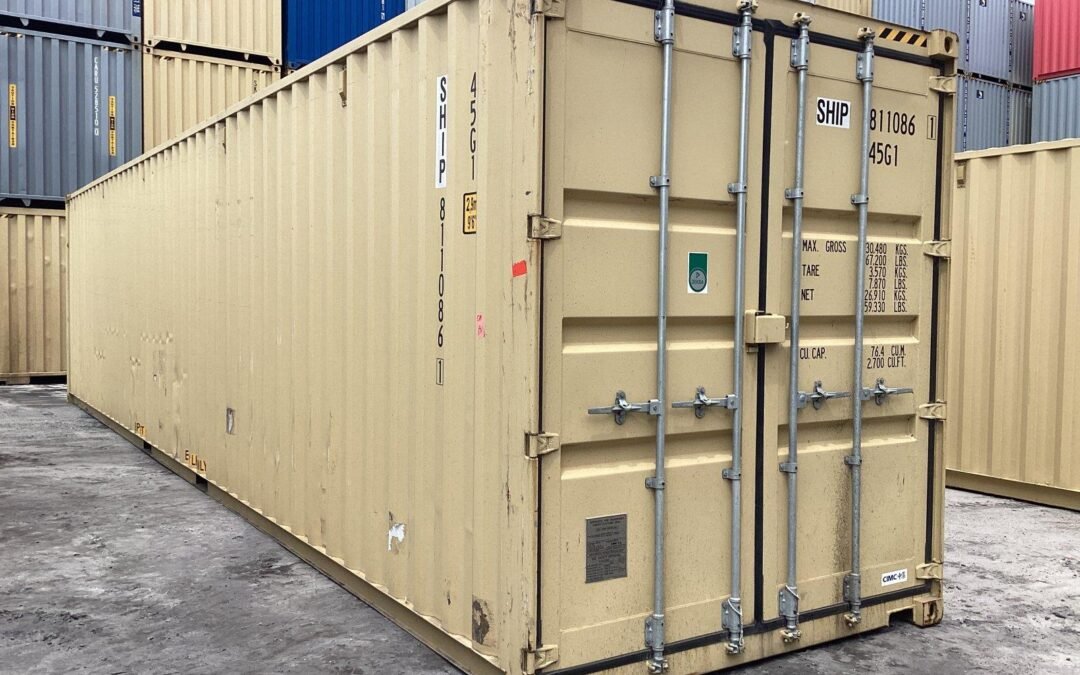
So, how much does a 40 foot sea container weigh? An empty standard 40 foot shipping container typically weighs approximately 3,700–4,000 kg (8,160–8,820 lbs). A 40 foot high cube container generally weighs around 3,750–4,200 kg (8,267–9,260 lbs), depending on its design and manufacturer.
These figures represent the container’s empty weight, also known as its tare weight. The total weight increases when cargo is added.
Understanding the weight of a 40 foot sea container can help you choose the right container, plan delivery, assess site requirements and avoid exceeding transport or loading limits.
What Is the Weight of a 40 Foot Sea Container?
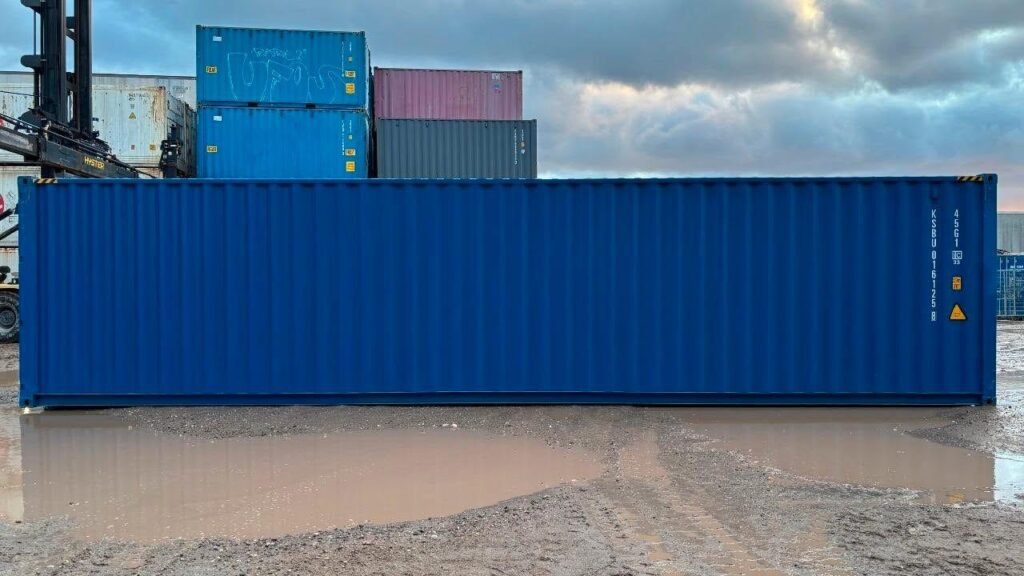
The weight of a 40 foot sea container depends on its type, construction materials, age and equipment.
A standard 40 foot container is generally around 8 feet 6 inches high, while a 40 foot high cube container is approximately 9 feet 6 inches high. The extra height gives the high cube model more internal space, although its empty weight may also differ.
Standard 40 Foot Shipping Container Weight
A standard 40 foot sea container typically has an empty weight of approximately 3,700–4,000 kg (8,160–8,820 lbs).
Standard containers are commonly used for transporting goods, storing equipment, holding business inventory and providing secure storage at commercial or residential properties.
Their steel construction and reinforced corner posts provide strength for lifting and stacking. However, the exact weight varies between individual containers.
If you are comparing container sizes before making a purchase, read our related guide on how much does a 20 foot sea container weigh, and compare the available dimensions and specifications before deciding which size suits your needs.
40 Foot High Cube Sea Container Weight
A 40 foot high cube sea container typically has an empty weight of approximately 3,750–4,200 kg (8,267–9,260 lbs).
High cube containers are around one foot taller than standard containers. This additional height provides more internal volume, making them useful for bulky items, tall equipment and storage projects requiring extra headroom.
Despite the extra space, a high cube container does not automatically have a higher maximum permitted gross weight. Its allowable payload depends on the specific model and its rating plate.
Does the Container’s Condition Affect Its Weight?
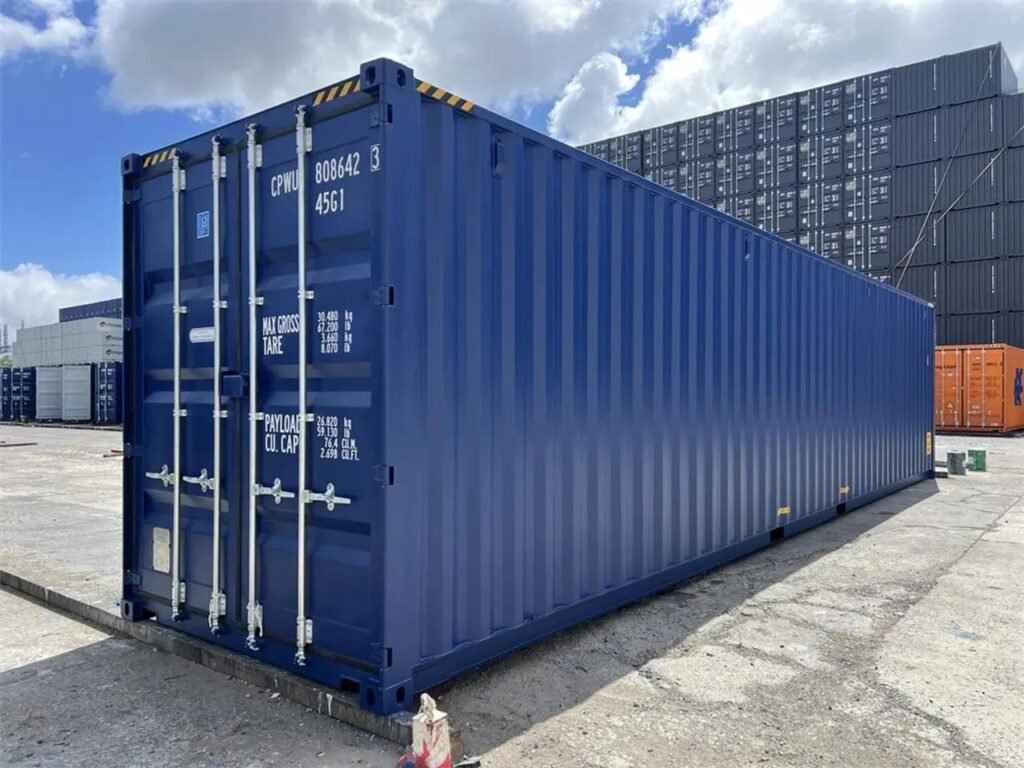
Yes. The actual weight can vary depending on the container’s design and condition.
Factors that may affect its weight include:
- The thickness and type of steel used in construction.
- The container’s manufacturer and original specifications.
- Additional doors, insulation, shelving or other modifications.
- Refrigeration equipment fitted to specialist containers.
- Repairs or structural alterations made during its service life.
For a reliable figure, check the container’s identification plate and manufacturer specifications rather than relying solely on an estimated average.
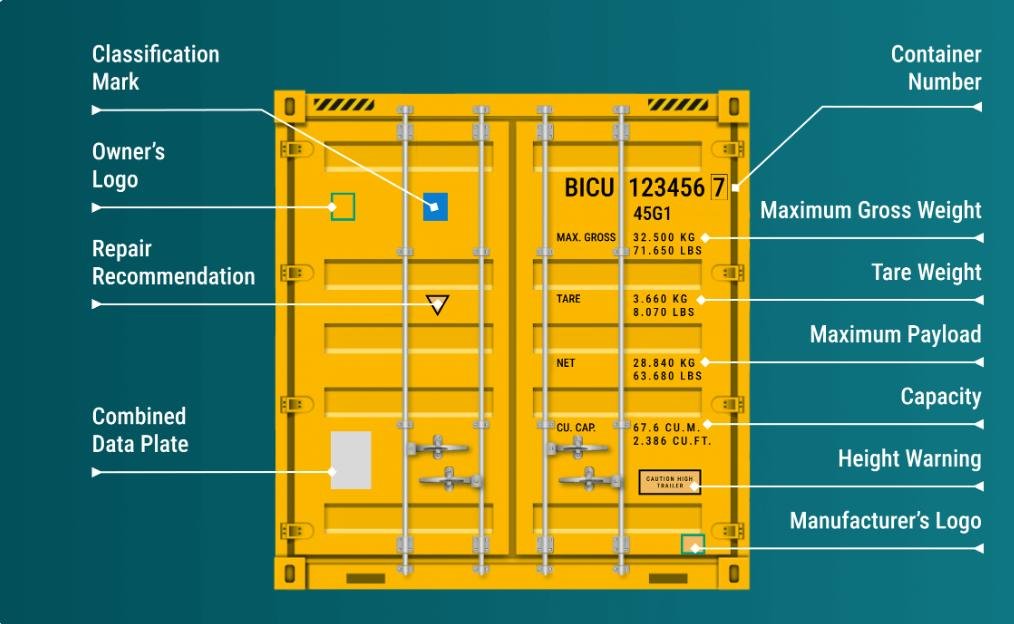
Understanding Tare Weight, Payload and Gross Weight
When researching how much a 40 foot sea container weighs, it is important to understand three common weight terms.
What Is Tare Weight?
Tare weight is the weight of an empty container before cargo is loaded.
For a standard 40 foot container, the tare weight is often approximately 3,700–4,000 kg.
This figure is particularly important when arranging delivery because the transport provider needs to know how much the empty container weighs.
What Is Payload Capacity?
Payload capacity is the maximum weight of cargo that can be loaded into a container, subject to its specifications and applicable transport restrictions.
A typical 40 foot standard container may have a payload capacity of approximately 26,000–27,000 kg, although some models have different limits.
Never assume that every 40 foot container can carry the same load. Always check the container’s rating plate and account for road, rail or shipping restrictions.
What Is Maximum Gross Weight?
Maximum gross weight is the combined weight of the container and its contents.
For many conventional 40 foot shipping containers, the maximum gross weight is approximately 30,480 kg (67,200 lbs). Some containers have different ratings.
For example, if a container has a tare weight of 3,900 kg and a maximum gross weight of 30,480 kg, its theoretical payload is:
30,480 kg − 3,900 kg = 26,580 kg.
This calculation illustrates why checking the individual container’s specifications is essential.
Standard 40 Foot Container vs 40 Foot High Cube Container
Choosing between a standard and high cube sea container depends on the space you need, the items you intend to store and your delivery requirements.
Standard 40 Foot Container Specifications
A typical standard 40 foot container has the following approximate specifications:
- External length: 40 feet (12.19 metres).
- External width: 8 feet (2.44 metres).
- External height: 8 feet 6 inches (2.59 metres).
- Empty weight: Approximately 3,700–4,000 kg.
- Internal volume: Approximately 67–68 cubic metres.
These containers are suitable for general freight, commercial storage, tools, machinery and many other applications.
High Cube 40 Foot Container Specifications
A typical 40 foot high cube container has the following approximate specifications:
- External length: 40 feet (12.19 metres).
- External width: 8 feet (2.44 metres).
- External height: 9 feet 6 inches (2.90 metres).
- Empty weight: Approximately 3,750–4,200 kg.
- Internal volume: Approximately 76 cubic metres.
The additional height makes high cube containers particularly useful when storing tall equipment, bulky materials or goods that need more vertical space.
Actual measurements and weights vary between models, so always check the manufacturer’s documentation.
What Factors Should You Consider Before Transporting a 40 Foot Sea Container?
Knowing the empty weight is only one part of preparing for delivery. You should also consider the delivery vehicle, lifting equipment and conditions at the destination.
Delivery Vehicle Requirements
A 40 foot sea container requires suitable transport equipment designed to carry its length and weight safely.
Before arranging delivery, confirm the container’s actual weight with the seller and provide the information to your transport company. The transporter can then determine the appropriate vehicle and loading method.
Remember that road weight limits apply to the complete vehicle and its load, not just the container.
Lifting and Unloading Equipment
Depending on the container and delivery arrangements, unloading may require a suitable crane, reach stacker, container handler or specialised truck.
The lifting equipment must have sufficient capacity for the container’s weight and the required lifting configuration.
Never attempt to lift a loaded or empty 40 foot container with equipment that has not been rated for the task.
Ground Conditions and Placement
Before delivery, check that the intended location is accessible and can support the container safely.
Consider the following:
- Whether the delivery vehicle can access the site.
- Whether there is enough room to unload and position the container.
- Whether the ground is level and sufficiently firm.
- Whether suitable foundations or support points are required.
- Whether local planning or site regulations apply.
Proper preparation helps reduce delivery complications and supports the long-term stability of the container.
What Can You Use a 40 Foot Sea Container For?
A 40 foot sea container offers substantial storage space and can support a wide range of commercial and personal projects.You can check out our blog for more sujestions and information on making your choice a better; Best uses for sea containers.
Commercial Storage
Businesses can use 40 foot containers to store equipment, tools, packaging, inventory and other materials.
Their secure steel construction makes them a practical option for many storage applications, provided they are installed appropriately and maintained in suitable condition.
Construction and Industrial Projects
Construction companies and industrial operators can use these containers to organise supplies, store equipment and protect materials from the weather.
Before loading heavy machinery or other concentrated loads, check the container’s floor capacity and loading requirements.
Agricultural and Personal Storage
Farmers, property owners and other users may find a 40 foot container useful for storing suitable supplies, equipment and non-perishable goods.
Adequate ventilation, moisture control and safe access should be considered according to what will be stored inside.
How to Check the Weight of a 40 Foot Sea Container Before Buying
If you are planning to purchase a 40 foot sea container, take time to confirm its specifications before committing.
Check the Container’s Rating Plate
Look for the container’s identification and safety markings. These typically provide information about its tare weight, maximum gross weight and maximum payload.
Make sure the figures are readable and match the container being offered for sale.
Ask the Seller for Specifications
Request the container’s exact weight and dimensions, particularly if you need to arrange transport or have restrictions at your site.
For a used container, ask whether modifications or repairs have affected its original specifications.
Confirm Delivery Requirements
Discuss the container’s weight, unloading arrangements, access restrictions and placement location with the delivery provider.
Doing this before purchase can help you plan the delivery more accurately and avoid unexpected costs.
Frequently Asked Questions About 40 Foot Sea Container Weight
How much does an empty 40 foot sea container weigh?
An empty standard 40 foot sea container typically weighs approximately 3,700–4,000 kg (8,160–8,820 lbs). The exact figure depends on the individual container.
How much does a 40 foot high cube container weigh?
A 40 foot high cube container typically weighs around 3,750–4,200 kg (8,267–9,260 lbs) when empty. Always check the specific model’s rating plate.
How much weight can a 40 foot container hold?
Many standard 40 foot containers have a payload capacity of approximately 26,000–27,000 kg. The precise limit depends on the container’s tare weight, maximum gross weight and applicable transport restrictions.
Is a 40 foot container heavier than a 20 foot container?
Generally, yes. A standard 40 foot container typically weighs around 3,700–4,000 kg empty, while a standard 20 foot container commonly weighs approximately 2,200–2,400 kg empty.
Can a 40 foot sea container be delivered to my property?
Yes, provided the delivery location is accessible and suitable for the vehicle, unloading equipment and container. Access, ground conditions, placement space and local restrictions should be checked beforehand.
Find the Right Sea Container for Your Needs
Understanding how much a 40 foot sea container weighs is an important step when choosing a container for shipping, storage or a commercial project.
A standard 40 foot container typically weighs approximately 3,700–4,000 kg empty, while a high cube model may weigh around 3,750–4,200 kg. However, actual weights vary, so always confirm the specifications of the individual container.
Before arranging transport, consider the container’s maximum gross weight, payload capacity, delivery access and unloading requirement or read our article How to move a sea container.
Looking for a suitable sea container? Visit Sea Containers For Sale to explore your options and find a container that suits your storage or shipping requirements.