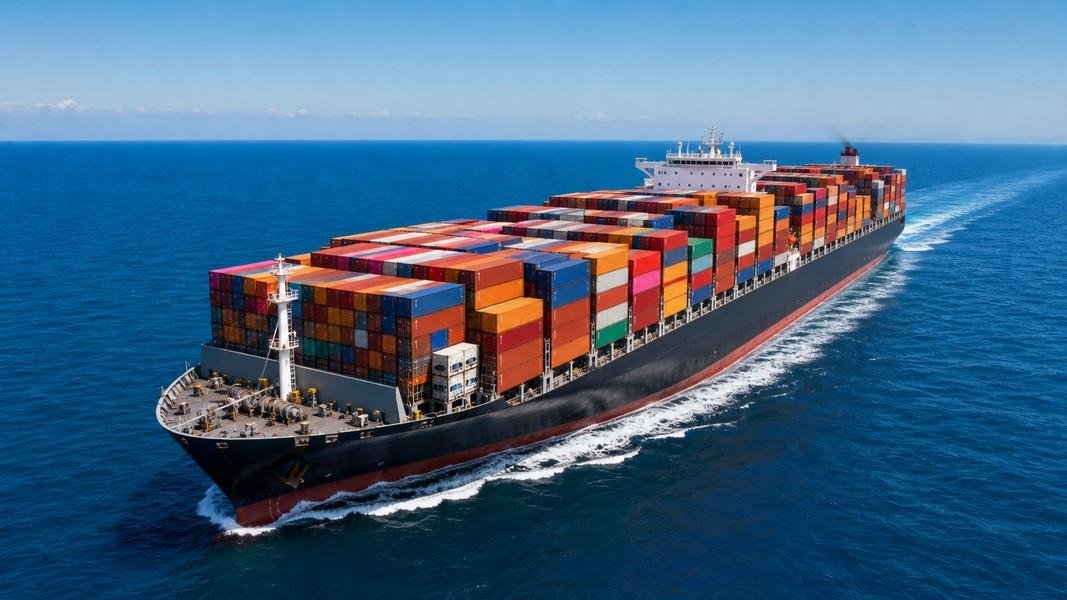
How Long Are Shipping Containers at Sea?
Shipping containers play a vital role in international trade, transporting everything from household goods and machinery to vehicles and construction materials across the world’s oceans. However, one common question among importers, exporters, and shipping container buyers is: how long are shipping containers at sea?
The answer depends on the shipping route, distance between ports, weather conditions, port congestion, and whether the vessel travels directly to its destination or stops at other ports along the way.
Generally, international sea freight takes approximately 20 to 45 days, although some shorter routes take considerably less time, while longer journeys and disrupted services can take longer. The actual sailing time between ports may also differ from the total delivery time.
In this guide, we explain how long shipping containers typically spend at sea, what affects their journey, and what you should consider when purchasing or transporting a shipping container.
How Long Do Shipping Containers Typically Stay at Sea?
Shipping containers can spend anywhere from a few days to several weeks travelling across the ocean. Short regional routes may take less than a week, while long-distance international journeys can take a month or more.
For many international shipments, 20–45 days is a useful general estimate for sea freight transit, but the exact duration depends on the origin, destination, and scheduled shipping service.
It is important to distinguish between time at sea and total shipping time. The time at sea refers to the vessel’s journey between ports. Total shipping time can include collection, export documentation, waiting for departure, customs clearance, unloading, and final delivery.
Typical Shipping Container Transit Times
The following figures are illustrative estimates rather than guaranteed schedules.
| Shipping Route | Approximate Transit Time |
|---|---|
| Short regional sea routes | A few days to 10 days |
| China to the US West Coast | 14–25 days |
| Europe to the US East Coast | 10–20 days |
| China to Northern Europe | 30–45 days |
| China to the US East Coast | 25–45 days |
| Other long-distance international routes | 20–45 days or longer |
Actual transit times vary by port pair, carrier, vessel schedule, and route. Always check the current schedule with the shipping company before making arrangements.
What Factors Affect How Long Shipping Containers Spend at Sea?
Several factors determine how long a shipping container takes to reach its destination.
1. Distance Between Ports
The distance between the departure and destination ports is one of the most important factors affecting shipping time.
A container travelling between neighbouring countries may reach its destination within a few days. However, a container travelling between Asia and Europe may spend several weeks aboard a cargo ship.
Longer routes generally require more sailing time, although vessel speed, port calls, and route selection can also affect the journey.
2. Weather and Ocean Conditions
Weather conditions can affect shipping schedules, particularly during storms, severe winds, and periods of rough seas.
Ships may reduce speed, change course, or wait for safer conditions. These precautions help protect the vessel, crew, containers, and cargo.
3. Port Congestion
Busy ports can experience delays when many vessels arrive simultaneously or when terminals have limited capacity.
Even after a container ship reaches its destination, the container may have to wait before it can be unloaded and collected.
Port congestion therefore affects the overall delivery time, even when the ocean journey itself goes according to schedule.
4. Transshipment and Additional Port Stops
Some container ships travel directly between two ports, while others use connecting ports.
When a shipment requires transshipment, its container may be unloaded from one vessel and transferred to another. Waiting for the connecting ship can add several days or longer to the journey.
5. Seasonal Demand
Shipping schedules can become more difficult to predict during busy trading periods.
High demand can increase pressure on vessel capacity, port terminals, and inland transportation. Holidays and factory shutdowns can also affect when cargo is ready to depart.
6. Shipping Route Disruptions
Canal restrictions, security concerns, and other disruptions can force vessels to take longer alternative routes.
For example, a ship travelling between Asia and Europe may need to sail around the Cape of Good Hope instead of using the Suez Canal. Depending on the route and circumstances, this can add days or weeks to a journey.
How Long Does It Take to Ship a Container Between Different Countries?
Transit times depend on the specific ports involved, but the following examples help explain how long international container shipping can take.
Shipping Containers from China to the United States
Containers travelling from China to the US West Coast may take approximately two to three weeks at sea on some services.
Shipments destined for the US East Coast often take longer, particularly when the route involves the Panama Canal, additional port calls, or other routing arrangements.
The final delivery time may be longer once customs clearance and inland transportation are included.
Shipping Containers from China to Europe
Shipping containers travelling from China to Northern Europe often take approximately 30–45 days, although some services may be faster or slower.
The chosen route, vessel schedule, port calls, and any canal diversions can significantly affect transit times.
Shipping Containers from Europe to North America
Containers travelling between European ports and the US East Coast may take approximately 10–20 days on some direct services.
The exact journey depends on the departure and arrival ports, vessel schedule, and whether the shipment requires additional stops.
Shipping Containers to Africa
International shipping times to Africa vary considerably depending on the departure country and destination port.
Some routes are relatively short, while shipments from Asia, Europe, or the Americas may take several weeks. Transshipment, port congestion, and inland transportation can extend the total delivery period.
For an accurate estimate, request a route-specific schedule from your shipping company or freight forwarder.
What Happens to Shipping Containers During Their Journey at Sea?
Shipping containers are designed to protect cargo during transportation across oceans and between different transport systems.
Before departure, containers are loaded onto a vessel and secured in designated positions. Their cargo must be packed appropriately, and the containers must be handled according to applicable weight and safety requirements.
During the voyage, the vessel follows its planned route while the crew monitors navigation, weather, and operating conditions.
After arriving at the destination port, containers are unloaded and processed for collection or onward transportation.
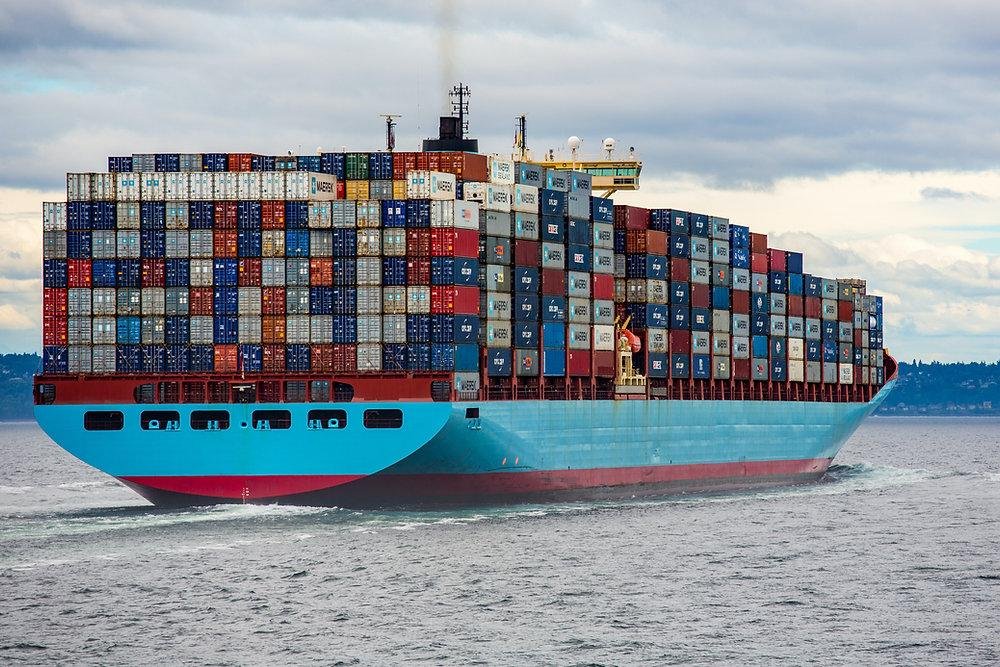
How Are Shipping Containers Secured on Cargo Ships?
Containers are stacked in designated positions and secured using equipment such as twistlocks and lashing systems.
These systems help keep containers in position as the vessel moves through waves and changing weather conditions.
Proper loading, weight distribution, and securing procedures are essential for safe transportation.
Do Shipping Containers Remain at Sea the Entire Time?
No. A container’s journey may include time at ports, terminals, and transfer facilities.
Containers can wait before loading, remain aboard a vessel during intermediate port calls, or be transferred to another ship. After arriving at the destination port, they may also spend time waiting for customs clearance or collection.
For this reason, a container’s total journey can be longer than the time it spends physically travelling across the ocean.
How Can You Estimate the Arrival Time of a Shipping Container?
If you are importing goods or arranging container transportation, there are several ways to estimate the arrival date.
Contact the Shipping Company
Ask the carrier or freight forwarder for the estimated transit time between the exact departure and destination ports.
Confirm whether the estimate includes only sailing time or the complete delivery process.
Check the Vessel Schedule
Vessel schedules can help you identify the planned departure date, connecting ports, and estimated arrival date.
Remember that schedules can change because of weather, port congestion, operational issues, or route disruptions.
Allow Extra Time for Customs and Delivery
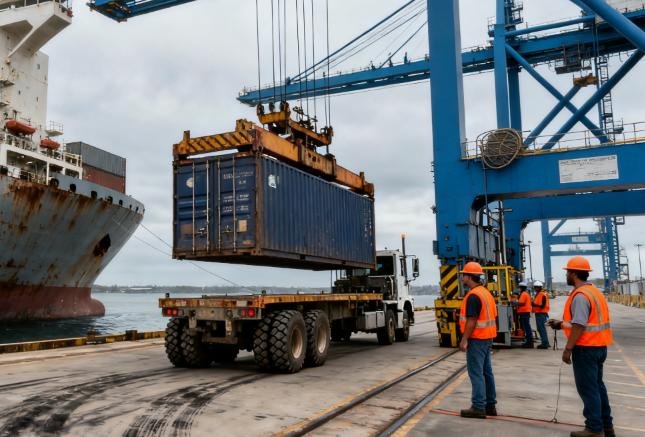
Once the vessel arrives, the container may still need to be unloaded, cleared by customs, and transported to its final destination.
If you require the container by a specific date, allow a reasonable buffer rather than relying entirely on the scheduled arrival date.
Does Shipping Container Size Affect Time at Sea?
The size of a shipping container does not usually determine the vessel’s sailing speed or the length of its route.
However, the container’s dimensions, weight, cargo type, and handling requirements can affect loading arrangements and onward transportation.
Common container sizes include 20-foot and 40-foot units, while 40-foot high-cube containers provide additional internal height compared with standard-height 40-foot containers.
If you are comparing container sizes for storage, transport, or conversion projects, consider your space requirements, access, intended use, and delivery arrangements.
How Long Does a 20-Foot Shipping Container Take to Travel Across the Ocean?
A 20-foot container travelling on a particular route will generally follow the same vessel schedule as other containers aboard that ship.
Its journey may take a few days on a short route or several weeks on a long international service.
The exact time depends more on the route and shipping arrangements than on the container’s length alone.
How Long Does a 40-Foot Shipping Container Take to Travel Across the Ocean?
A 40-foot container typically travels according to the same route and vessel schedule as a 20-foot container.
Its size does not automatically make the journey faster or slower. However, cargo weight, handling requirements, and transport arrangements may affect the overall logistics process.
Frequently Asked Questions About Shipping Containers at Sea
How many days does a shipping container spend at sea?
A shipping container may spend anywhere from a few days to several weeks at sea. Many international sea freight journeys take approximately 20–45 days, depending on the route and service.
What is the longest time a shipping container can spend at sea?
There is no single maximum duration. Long-distance routes, multiple vessel connections, severe weather, and shipping disruptions can cause journeys to extend beyond the usual estimates.
Can shipping containers arrive earlier than expected?
Yes. A container may arrive earlier if the vessel maintains its schedule, the route is direct, and port operations proceed efficiently. However, estimated arrival dates are not guarantees.
Does sea freight include customs clearance?
Not necessarily. Quoted sea transit time generally refers to transportation between ports. Customs clearance, port handling, and final delivery may be separate stages and may require additional time.
Can I track a shipping container while it is at sea?
Many shipping companies and freight forwarders provide tracking services using a container number, booking reference, or bill of lading. Tracking availability and update frequency vary by carrier.
How can I reduce shipping delays?
Choose a suitable shipping service, submit accurate documentation, confirm booking deadlines, monitor vessel schedules, and prepare for customs clearance before arrival.
Conclusion: How Long Are Shipping Containers at Sea?
Shipping containers typically spend anywhere from a few days to several weeks travelling by sea. Many international journeys take approximately 20–45 days, but the actual duration depends on the route, vessel schedule, weather conditions, port congestion, and any connecting services.Have you ever asked your self how many shipping containers actually arrive to destination?, for more information read our blog How many shippig container are lost at sea every year.
Remember that time at sea is only one part of the transportation process. Loading, customs clearance, unloading, and final delivery can all affect when a container reaches its destination.For more information read our blog How to move a sea container safely.
Whether you are importing goods, arranging international transportation, or researching shipping containers for your next project, understanding transit times can help you plan more effectively.
Looking for quality shipping containers? Visit Sea Containers For Sale to explore available containers and find an option that suits your requirements. Before purchasing, confirm the container’s condition, location, delivery arrangements, and total cost.