When Were Metal Shipping Containers Available to the Public?
Metal shipping containers became commercially available during the 1950s, when modern container shipping began transforming the transportation industry. Although people had used various types of cargo containers before this period, the development of standardised metal shipping containers made transporting goods by ship, train, and truck much more efficient.
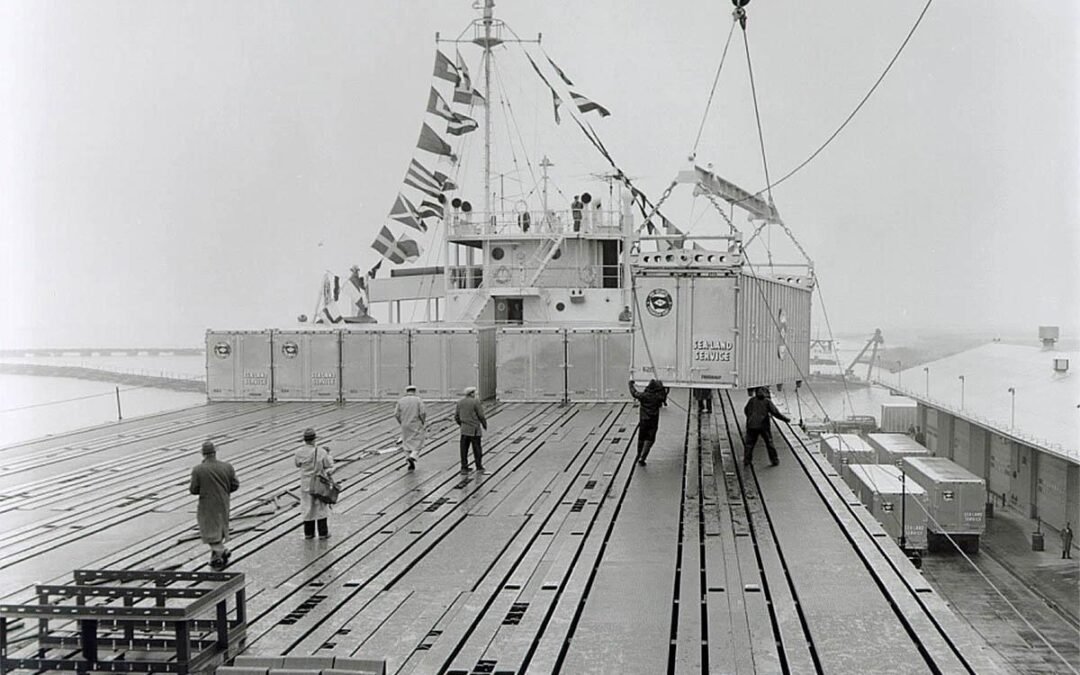
On 26 April 1956, American entrepreneur Malcolm McLean helped launch the modern container shipping era when the converted tanker Ideal X sailed from Newark, New Jersey, carrying 58 cargo containers to Houston, Texas. This successful voyage demonstrated the commercial potential of transporting goods in large, reusable metal containers.
Today, shipping containers are used for international freight, business storage, construction projects, and many other applications. Businesses and individuals can also purchase used and new containers for their own needs.
When Were Metal Shipping Containers First Available to the Public?
Modern metal shipping containers began entering commercial use in 1956, when Malcolm McLean introduced a more efficient system for transporting cargo.
Before this development, goods were generally loaded onto ships individually, often in crates, sacks, and barrels. Loading and unloading could take considerable time and increase handling costs.
McLean’s approach allowed entire containers to be transferred between different modes of transport without unloading the goods inside. This innovation helped establish the foundation of modern intermodal shipping.
However, commercial introduction did not mean that individual consumers could immediately purchase containers as easily as they can today. Initially, containers were primarily used by shipping companies, transport businesses, and other organisations involved in moving cargo.
The Role of Malcolm McLean
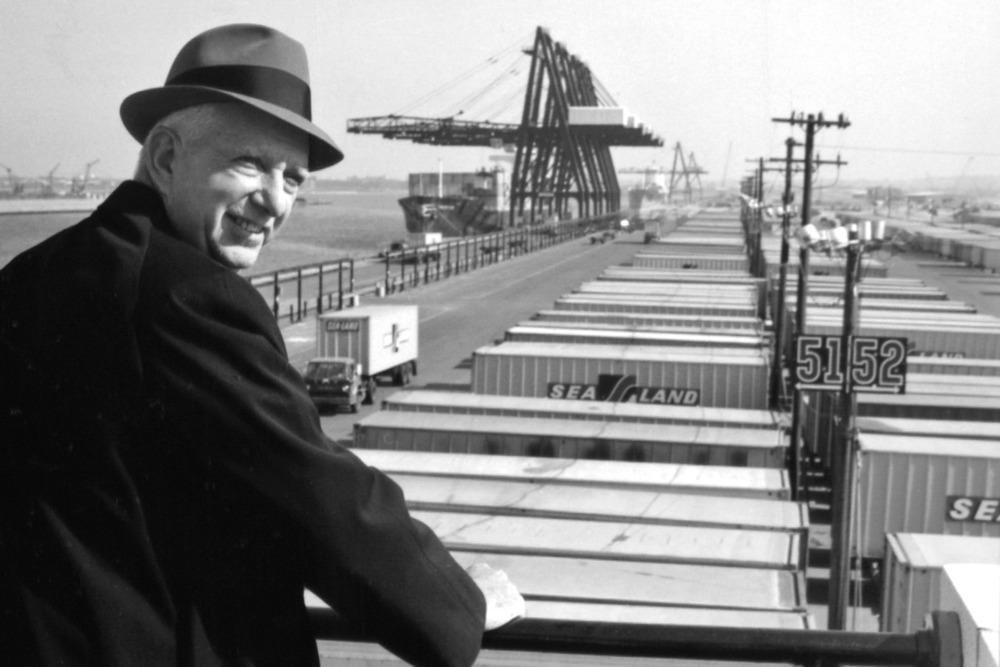
Malcolm McLean was an American trucking entrepreneur who recognised the inefficiencies of traditional cargo handling.
His solution was to separate the cargo-carrying section from the truck’s wheels so that the container itself could be transferred between vehicles and ships.
His first major commercial demonstration took place in April 1956. The success of this system helped establish container shipping as a practical commercial transportation method.
H Were Shipping Containers Available to Ordinary People in the 1950s?
During the 1950s, metal shipping containers were mainly commercial transport equipment rather than everyday consumer products.
Shipping companies used them to move goods efficiently between ports, warehouses, factories, and distribution centres.
As container shipping expanded, containers became increasingly familiar to businesses and transport operators. However, the modern market for buying individual shipping containers for storage, construction, and personal projects developed alongside the wider growth of container availability.
If you are interested in purchasing a container today, explore Sea Containers For Sale to learn more about available options.
How Did Metal Shipping Containers Develop Over Time?
The history of metal shipping containers includes several important milestones that helped turn a simple cargo box into an essential part of global trade.
Before 1950: Early Cargo Containers
The concept of placing goods into reusable containers existed long before the modern shipping container.
Earlier transport systems used wooden boxes and other portable cargo units to move goods between different forms of transport. Military organisations also developed container systems to improve the movement of supplies.
However, these early systems were not identical to the standardised steel containers commonly used today.
1956: Modern Commercial Container Shipping Begins
The voyage of the Ideal X in April 1956 marked a major turning point in commercial shipping.
The vessel transported 58 containers from Newark to Houston, demonstrating how cargo could be moved more efficiently using large, detachable units.
This development helped encourage further investment in container-handling equipment, specialised ships, and port infrastructure.
The 1960s: International Expansion
During the 1960s, container shipping expanded beyond domestic routes in the United States.
International services began connecting more ports, while the shipping industry worked towards standardising container dimensions and fittings.
Standardisation was essential because containers needed to fit safely on ships, trucks, and railway wagons operated by different companies.
The International Organization for Standardization played an important role in developing common specifications that supported international container transport.
The 1970s and Beyond: Wider Commercial Adoption
By the 1970s, standardised containers had become increasingly important to international freight transportation.
Their use helped businesses move large quantities of goods between countries with fewer manual handling operations.
Over time, the availability of shipping containers also created opportunities for other applications, including on-site storage, workshops, temporary facilities, and converted buildings.
Why Did Metal Shipping Containers Become So Popular?
Metal shipping containers became popular because they offered a practical way to transport and protect goods across long distances.
1. Durability and Strength
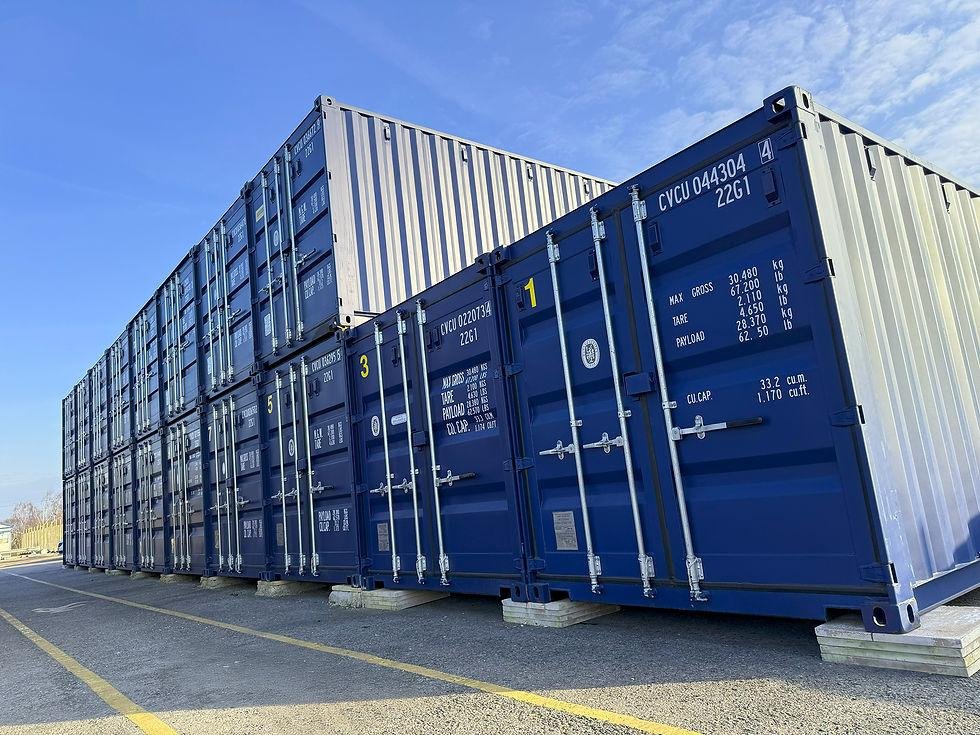
Modern shipping containers are commonly constructed using weathering steel, often called Corten steel, alongside other materials for specific components.
Their strong frames, corrugated walls, and reinforced corners help them withstand the demands of transportation and handling.
The condition of an individual container still depends on its age, maintenance, previous use, and exposure to the elements.
2. Efficient Transportation
Shipping containers can be transferred between ships, trucks, and trains without removing the goods inside.
This reduces handling requirements and helps make international freight transportation more efficient.
3. Reusable Storage Space
Shipping containers can also provide secure, enclosed storage space for businesses and individuals.
Depending on their condition and suitability, containers may be used to store tools, equipment, stock, furniture, and building materials.
For buyers comparing different options, choosing the correct container size and condition is important.
Read our related guide: What Are Shipping Containers Made Of?.
When Did Shipping Containers Become Available for Personal Use?
There is no single year when shipping containers suddenly became available to every member of the public.
Instead, the market developed gradually as container shipping expanded and more used containers entered commercial circulation.
Shipping companies and logistics operators have historically needed containers to transport goods. As containers aged, became surplus to operational requirements, or were replaced, some became available for resale.
This helped create opportunities for businesses, contractors, farmers, property owners, and individuals to purchase containers for purposes beyond freight transportation.
Buying Used Shipping Containers
Used shipping containers are often considered by buyers looking for affordable storage or practical business solutions.
Before purchasing a used container, check its structural condition, doors, flooring, signs of corrosion, and history of use where available.
The description of a container’s grade can help buyers understand its condition, but specifications and grading terminology can vary between sellers.
Buying New Shipping Containers
New containers may be suitable for buyers who want a unit with minimal previous use.
They can be considered for storage, transport, or projects that require a particular specification.
Before purchasing, confirm the dimensions, payload, tare weight, door configuration, and delivery requirements.
Explore Sea Containers For Sale to learn about container options for different business and storage requirements.
What Are Metal Shipping Containers Used for Today?
Modern metal shipping containers are no longer used exclusively for transporting cargo. Their versatility has made them useful in many industries.
Commercial and Industrial Storage
Businesses use containers to store equipment, tools, stock, and other materials.
They can be particularly useful where additional storage space is needed at a warehouse, construction site, farm, or commercial property.
Construction and Building Projects
Shipping containers can be adapted for certain construction-related applications, including site offices, workshops, and temporary facilities.
However, modifications such as cutting openings, installing windows, or joining containers can affect structural performance. Suitable design and professional assessment are important.
Shipping Container Homes
Some people convert shipping containers into homes, studios, or other occupied spaces.
These projects require careful consideration of insulation, ventilation, condensation, foundations, fire safety, and local building regulations.
Read our related article: Would You Live in a Shipping Container?.
Business and Retail Spaces
Containers can also be adapted for workshops, kiosks, pop-up shops, and other business uses.
The suitability of a container depends on its condition, the intended use, planning requirements, and the cost of any necessary modifications.
How to Choose the Right Metal Shipping Container
If you are considering buying a shipping container, understanding your requirements can help you make a more informed decision.
Choose the Appropriate Size
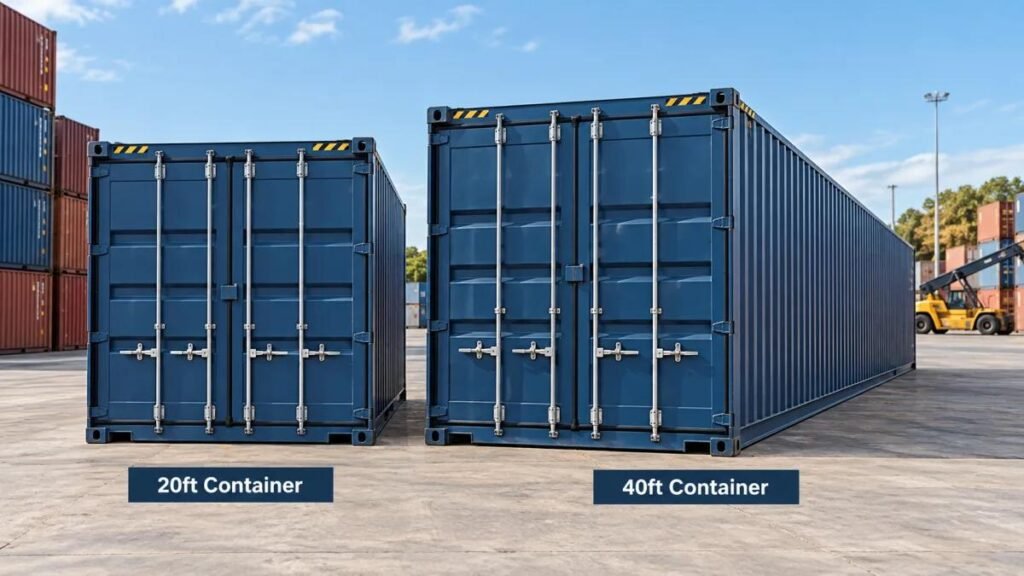
Common container options include 20-foot and 40-foot units, although other sizes and configurations are available.
Consider the space available at your site, the items you intend to store, and the delivery vehicle’s access requirements.
Check the Container’s Condition
Inspect the roof, floor, walls, doors, locking mechanisms, and corner fittings.
Ask for photographs and details of any repairs or damage. If the container will be used for shipping cargo, confirm that it meets the requirements of your intended operation.
Consider Delivery and Site Access
A suitable container must be delivered safely to its intended location.
Check road access, ground conditions, overhead obstructions, unloading space, and whether specialised lifting equipment will be required.
Compare the Total Cost
The purchase price is only one part of the total cost.
Delivery, unloading, site preparation, repairs, modifications, and any required permits may also affect your budget.
For more information, read our related guide: How Much Is a Freight Container?.
Frequently Asked Questions About the History of Metal Shipping Containers
When were metal shipping containers first used commercially?
Modern commercial container shipping began in 1956, when Malcolm McLean’s Ideal X carried 58 containers from Newark, New Jersey, to Houston, Texas.
Who introduced the modern shipping container?
Malcolm McLean is widely recognised as a pioneer of modern commercial intermodal container shipping. His approach helped establish a system in which containers could move between ships, trucks, and trains.
Were shipping containers originally made of metal?
Early cargo containers were made from various materials. Modern freight containers commonly use steel construction, while some early commercial containers used aluminium. The Ideal X carried aluminium truck bodies during its historic 1956 voyage.
When did shipping containers become standardised?
International standardisation developed over several years, beginning in the late 1950s and continuing through the 1960s. These efforts helped establish compatible dimensions and fittings for international container transportation.
Can members of the public buy shipping containers today?
Yes. Individuals and businesses can purchase shipping containers through container dealers and other suppliers. Availability, condition, specifications, and delivery options vary by seller and location.
Conclusion: The History of Metal Shipping Containers
Metal shipping containers became commercially significant in 1956, when Malcolm McLean demonstrated how large cargo containers could transform freight transportation.
During the following decades, container shipping expanded internationally, supported by standardisation and improvements in transport infrastructure.
Although containers were initially used primarily by commercial shipping and logistics companies, they are now also purchased for storage, construction projects, workshops, and other applications.
Whether you need additional business storage or a container for a specific project, understanding the history, sizes, and condition of modern containers can help you make a better purchasing decision.
Visit Sea Containers For Sale to explore container options for your requirements.