How Much Is a Freight Container? Complete 2026 Price Guide
If you’re searching “how much is a freight container?”, there isn’t one fixed price. The cost depends on several factors, including the container’s size, condition, type, location, availability and delivery requirements.
In 2026, published U.S. market guides show substantial variation in container prices. For example, current guides put used 20ft containers anywhere from roughly $1,400 to $4,000, depending on condition and market, while new or one-trip 20ft containers can be around $3,000 to $5,500 or more. Used and new 40ft containers generally cost more.
This guide explains what you should consider when calculating the actual cost of a freight container.
What Is a Freight Container?
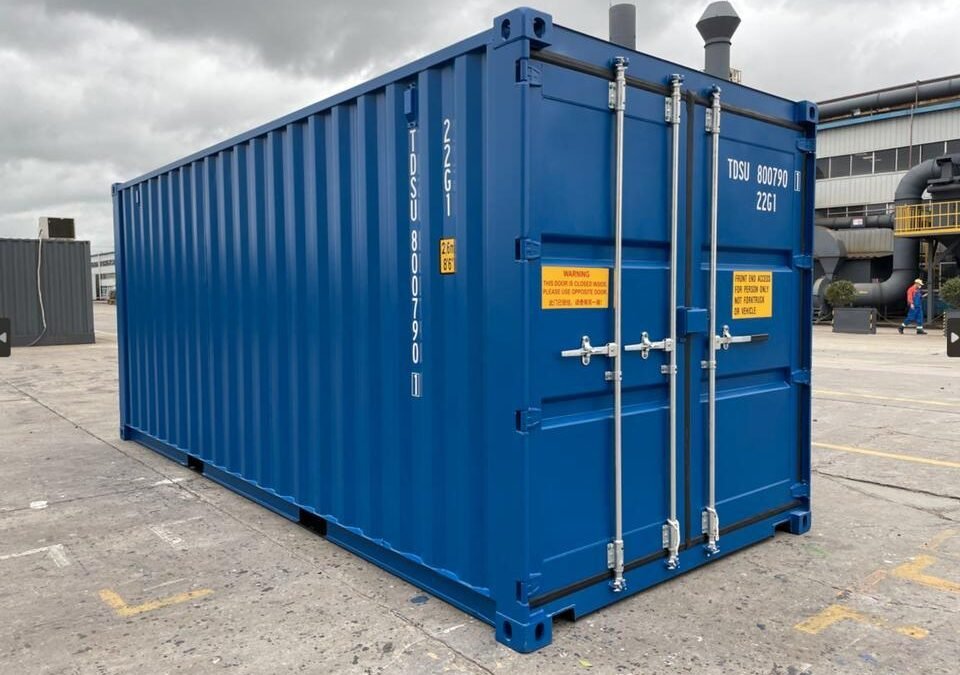
A freight container is a standardized container designed to transport cargo by sea, road and rail.
The terms freight container, shipping container, cargo container and sea container are often used interchangeably.
They are commonly manufactured from corrosion-resistant steel and designed to withstand the demanding conditions associated with international transportation.
Common Freight Container Sizes
The most commonly available options include:
- 20ft standard containers
- 40ft standard containers
- 40ft High Cube containers
- 45ft High Cube containers
- Refrigerated containers
- Open-side containers
- Open-top containers
- Double-door containers
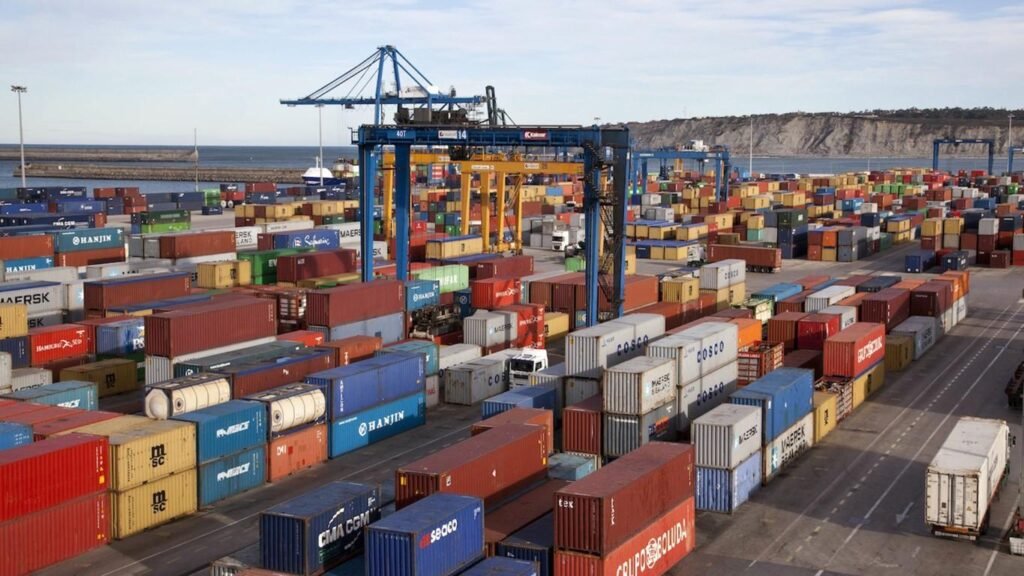
The appropriate option depends on the type and volume of cargo you need to transport or store.
How Much Is a Freight Container in 2026?
There is no single worldwide price because container prices vary considerably between countries, ports, depots and suppliers.
For a general U.S. market reference, recent 2026 pricing guides report ranges such as:
| Container | Used/Wind & Watertight | Used/Cargo Worthy | New/One-Trip |
|---|---|---|---|
| 20ft Standard | $1,400–$3,200 | $2,000–$4,000 | $3,000–$5,500 |
| 40ft Standard | $2,000–$4,200 | $2,800–$4,800 | $4,500–$7,500 |
| 40ft High Cube | $2,200–$5,500 | $3,000–$5,500 | $5,000–$8,000 |
These are indicative market ranges rather than fixed prices or quotations. Location, supplier, availability, delivery and container specifications can change the final price substantially.
Why Are Prices Different?
Two containers that look similar can have very different prices because one might be:
- New or one-trip
- Cargo worthy
- Wind and watertight
- Heavily used
- High cube
- Refrigerated
- Modified
- Located close to a port
- Located far from the buyer
This is why comparing only the advertised purchase price can be misleading.
How Much Is a 20ft Freight Container?
A 20ft freight container is one of the most commonly used container sizes.
Recent 2026 U.S. pricing guides place used 20ft containers in broad ranges of approximately $1,400–$4,000, depending on grade and market, while new or one-trip units can commonly fall around $3,000–$5,500.
What Is a 20ft Container Used For?
A 20ft container can be suitable for:
- General freight
- Machinery
- Construction equipment
- Business inventory
- Household goods
- Agricultural equipment
- Tools
- Storage
- Export cargo
When Should You Choose a 20ft Container?
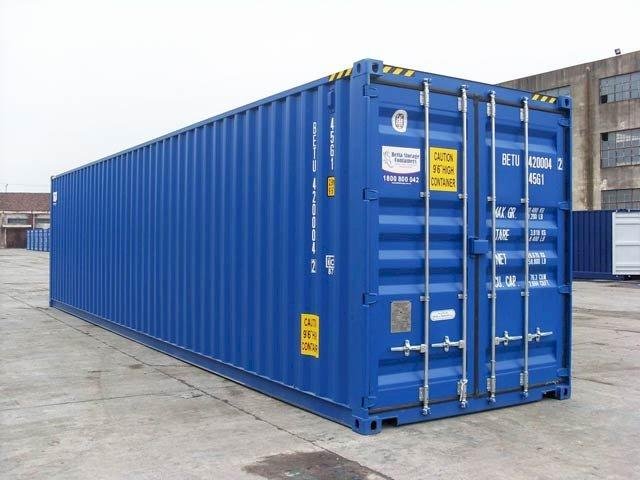
A 20ft container can make sense when you don’t require the additional volume of a 40ft unit or when access to your property is limited.
How Much Is a 40ft Freight Container?
A 40ft freight container provides significantly more internal volume than a 20ft container.
Recent U.S. pricing guides put used 40ft containers broadly around $2,000–$4,800, depending on grade and market, while new or one-trip containers can range approximately from $4,500–$7,500.
What Is a 40ft Container Used For?
40ft containers are commonly used for:
- Large commercial shipments
- Warehouse overflow
- Construction materials
- Machinery
- Business inventory
- Furniture
- Manufacturing equipment
- International freight
- Large storage projects
Is a 40ft Container Better Than a 20ft Container?
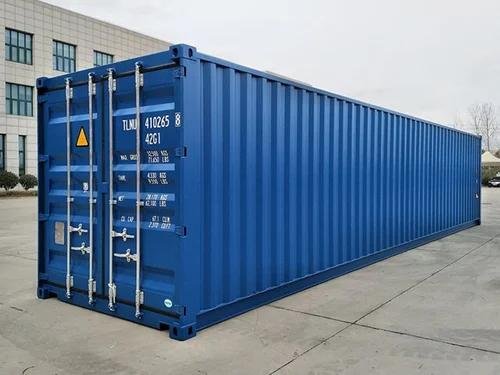
Not necessarily. The appropriate size depends on your cargo volume, weight, budget and delivery location.
A 40ft container provides more space, but it can also require more delivery space and may have higher transportation costs.
What Factors Affect Freight Container Prices?
Several factors determine how much a freight container costs.
1. Container Size
Larger containers generally cost more than smaller standard units.
The most common sizes are:
- 20ft
- 40ft
- 40ft High Cube
- 45ft High Cube
2. Container Condition
Condition can have a major effect on price.
A new or one-trip container generally costs more than a used container.
New or One-Trip Containers
A one-trip container is generally manufactured for export, used for a limited shipping journey and then sold into the secondary market.
These units generally have less wear and better cosmetic condition.
Used Containers
Used containers can provide a more economical option for storage and other applications.
However, buyers should inspect:
- Doors
- Flooring
- Roof
- Corner castings
- Side panels
- Door seals
- Rust
- Structural repairs
- Interior condition
Understanding Container Grades
Understanding container grades is important when comparing prices.
Wind and Watertight
A wind-and-watertight container is primarily intended to protect its contents from normal weather exposure.
It may have more cosmetic wear than a new container.
Cargo Worthy
A cargo-worthy container is intended to meet requirements for transporting cargo, subject to the applicable inspection and certification requirements.
Why Does Cargo Worthiness Matter?
If your container will be used for international transportation, you should establish what documentation and certification your shipping line, carrier or destination requires.
A container suitable for storage isn’t automatically suitable for international freight.
What Is a High Cube Freight Container?
A High Cube container is taller than a standard-height container.
A 40ft High Cube can provide additional internal height and volume, making it useful for cargo that needs more vertical space.
Why Choose a 40ft High Cube?
It can be useful for:
- Lightweight bulky cargo
- Furniture
- Machinery
- Large quantities of cartons
- Manufacturing equipment
- Commercial inventory
Some 2026 market guides report that High Cube containers generally command a premium over comparable standard-height units.
How Much Does Freight Container Delivery Cost?
The advertised container price is not necessarily your total cost.
Delivery can depend on:
- Distance from the depot
- Container size
- Road conditions
- Delivery truck
- Site accessibility
- Unloading requirements
- Crane requirements
- Local freight rates
For example, a container purchased near a major port may have a different delivered price from an identical container that must be transported a long distance inland.
Delivery Is an Important Part of Your Budget
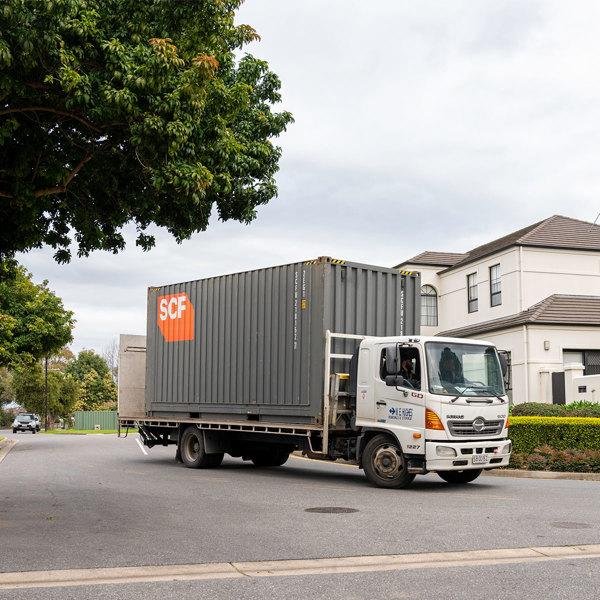
Before ordering, ask the supplier for a delivered price rather than looking only at the container’s advertised purchase price.
What Other Costs Should You Consider?
The container itself is only one component of the total investment.
Site Preparation
You may need:
- Gravel
- Concrete
- Ground leveling
- Drainage
- Foundations
- Access improvements
Modifications
Additional costs can apply if you need:
- Personnel doors
- Windows
- Electrical systems
- Insulation
- Ventilation
- Shelving
- Security features
- Internal partitions
- Paint or special finishes
Taxes and Fees
Depending on the country and transaction, taxes, customs charges, documentation or other fees may apply.
Always confirm which charges are included in your quotation.
How to Calculate the Total Freight Container Cost
Instead of asking only “how much is a freight container?”, calculate the estimated total cost.
Freight Container Cost Formula
Total Cost = Container Price + Delivery + Site Preparation + Modifications + Applicable Taxes/Fees
For example:
| Cost | Amount |
|---|---|
| Container | $X |
| Delivery | $X |
| Site preparation | $X |
| Modifications | $X |
| Taxes/fees | $X |
| Estimated total | $X |
Your actual figures will depend on your location and requirements.
How to Get the Best Freight Container Value
Getting the lowest advertised price isn’t necessarily the same as getting the best value.
Compare the Condition
Compare new, one-trip, cargo-worthy and wind-and-watertight containers according to your intended use.
Compare Delivered Prices
A container with a lower purchase price may become more expensive after delivery.
Choose the Correct Size
Don’t pay for unnecessary space.
At the same time, don’t purchase a container that’s too small and later need another unit.
Inspect Used Containers
Ask for recent photographs and, where possible, inspect the actual container.
Check These Areas
Before purchasing, inspect:
- Roof
- Floor
- Doors
- Seals
- Corners
- Exterior walls
- Interior walls
- Rust
- Previous repairs
Where Can You Buy Freight Containers?
If you’re looking for shipping containers for sale, compare the container’s size, condition, specifications and delivery requirements before making a purchase.
You can also explore the existing Sea Containers For Sale buying guide for additional information about choosing the right container.
For pricing information, your website already has a useful supporting article:Read the shipping cotainer cost guide.
Freight Container vs. Sea Container
The terms can sometimes cause confusion.
A freight container is essentially a container used to transport cargo. A sea container is commonly used to describe the same type of standardized shipping container.
Depending on the context, you may also see:
- Shipping container
- Cargo container
- Freight container
- Sea container
- Intermodal container
- ISO container
The exact terminology can vary by industry and region.
20ft vs 40ft Freight Container
| Feature | 20ft | 40ft |
|---|---|---|
| Length | 20ft | 40ft |
| Storage volume | Lower | Higher |
| Typical purchase price | Lower | Higher |
| Suitable for smaller cargo | Yes | Yes |
| Suitable for larger shipments | Sometimes | Often |
| Space required for delivery | Less | More |
| Common applications | Storage and freight | Commercial freight and storage |
Which Size Should You Choose?
Consider:
- How much cargo you have
- Cargo weight
- Available property space
- Delivery access
- Your budget
- Future storage requirements
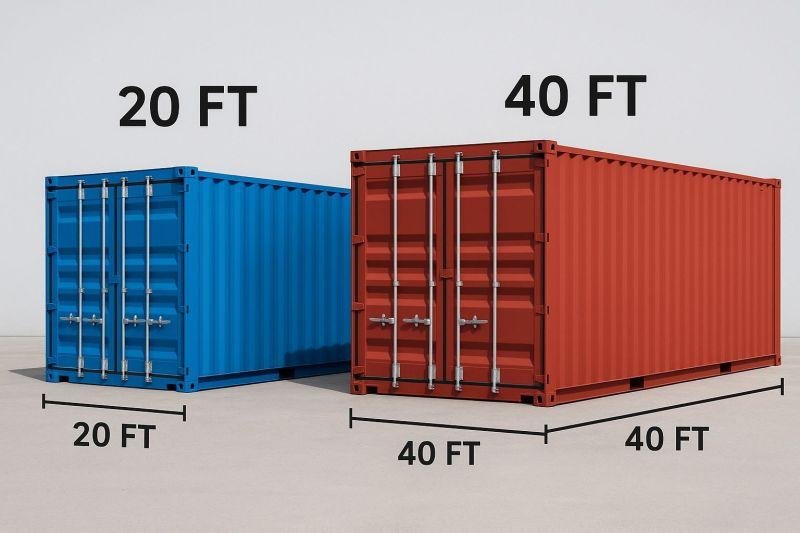
For more information, you can link this section to your existing 20ft vs 40ft shipping container article on your website.
How Does Delivery Access Affect the Price?
A container can be inexpensive to purchase but difficult to deliver.
Before ordering, check:
Site Access
- Road width
- Gate width
- Turning area
- Overhead cables
- Trees
- Buildings
- Slopes
- Ground conditions
Delivery Equipment
Depending on the site, the supplier may need to use specialized equipment to position the container.
Your existing article How to Move a Sea Container Safely is a useful internal link from this section.
Frequently Asked Questions
How much is a freight container?
The price varies according to size, condition, type, location and delivery. In the U.S. 2026 market, published guides show used 20ft containers ranging from roughly $1,400 to $4,000 depending on grade, while new 20ft units can cost approximately $3,000–$5,500.
How much is a 20ft freight container?
A used 20ft container can cost approximately $1,400–$4,000 in published 2026 U.S. market ranges, while new or one-trip units can cost around $3,000–$5,500. Exact pricing depends on location, grade and supplier.
How much is a 40ft freight container?
Published 2026 U.S. pricing guides show used 40ft containers at roughly $2,000–$4,800 and new containers at approximately $4,500–$7,500, although actual prices can vary significantly.
Are used freight containers cheaper?
Generally, yes. Used containers are normally less expensive than new or one-trip containers, although the exact difference depends on condition and location.
Is delivery included in the container price?
Not always. Always ask whether the advertised price includes delivery, unloading and any other applicable charges.
Is a cargo-worthy container suitable for international shipping?
A cargo-worthy container is intended to meet requirements associated with cargo transportation, but you should confirm the applicable certification and acceptance requirements with your carrier and destination.
Should I buy a 20ft or 40ft container?
It depends on your cargo volume, weight, available space, delivery access and budget.
Can freight containers be used for storage?
Yes. Shipping containers are widely used for commercial, agricultural, construction and general storage.
For more ideas, you can internally link to your article on the best uses for sea containers, where appropriate.
Final Thoughts: How Much Is a Freight Container?
So, how much is a freight container?
There is no universal price.
In 2026, published market guides show that a used 20ft container can cost roughly $1,400–$4,000, while a new or one-trip 20ft container can cost around $3,000–$5,500 in the U.S. market. Larger 40ft and High Cube containers generally cost more, while specialty containers can cost considerably more again.
The most important thing is to look beyond the initial container price.
Consider:
- Container size
- Condition
- Grade
- Type
- Location
- Delivery
- Site preparation
- Modifications
- Taxes and fees
When comparing freight containers for sale, request a complete quotation that clearly explains the container specification and delivered cost.
Ready to explore your options? Visit Sea Containers For Sale to compare available container solutions and request a quote for your requirements.