How to Move a Sea Container Safely: A Complete Guide
Moving a sea container may seem like a challenging task, especially when dealing with large, heavy steel structures. Whether you want to relocate a container to another property, reposition it on your land, or transport it to a construction site, choosing the right equipment and planning the move carefully is essential.
In this guide, Sea Containers For Sale explains how to move a sea container, the equipment required, safety precautions, and practical tips to help you plan a successful container relocation.
What Is a Sea Container?
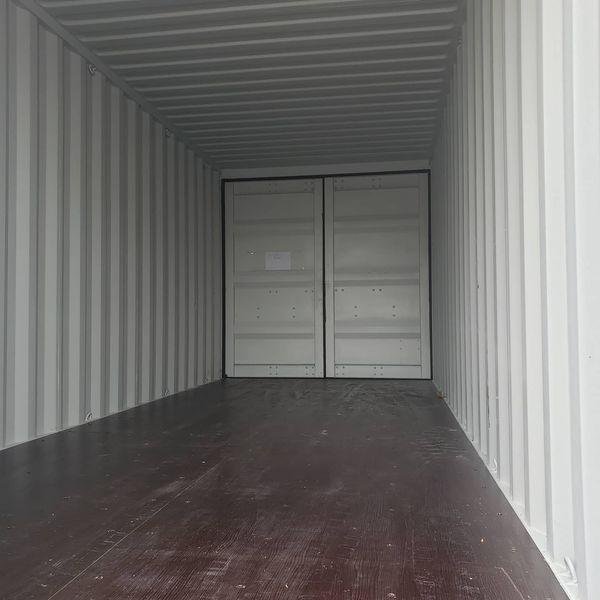
A sea container, also known as a shipping container, is a durable steel structure designed to transport goods by sea, road, and rail. These containers are also widely used for storage, construction projects, workshops, and commercial spaces.
Common sizes include:
- 20-foot shipping containers
- 40-foot shipping containers
- 40-foot high cube containers
- Specialized and modified containers
The size, weight, condition, and location of your container all influence the best method for moving it. How to Move a Sea Container: Step-by-Step Guide
How to Move a Sea Container: Step-by-Step Guide
Moving a sea container requires careful preparation and appropriate handling equipment. Follow these steps to organize your relocation.
1. Inspect the Container Before Moving
Before transporting your sea container, inspect its overall condition.
Check the following:
- Corner castings for damage or severe corrosion.
- The container frame for structural problems.
- Doors, hinges, and locking mechanisms.
- The floor and any modifications.
- The condition of the contents, if the container is loaded.
Important: A damaged container may not be suitable for lifting using standard handling methods. A qualified professional should assess structural concerns before the move.
2: Empty the Sea Container When Possible
Moving an empty container is generally simpler than moving one filled with cargo.
If possible, remove all contents before transportation. If the container must remain loaded, the cargo needs to be assessed, evenly distributed, and properly secured.
An overloaded or poorly secured container can increase the risk of shifting cargo, equipment failure, and transport accidents.
3. Measure the Access Routes
Before arranging transportation, inspect both the pickup location and the destination.
Consider:
- Gate width and turning space.
- Overhead cables and tree branches.
- Road conditions and slopes.
- Soft ground or uneven surfaces.
- Space required for trucks and lifting equipment.
Preparing both locations in advance helps reduce delays and unexpected costs.
4. Select the Right Moving Equipment
The equipment required depends on the container size, distance, weight, and accessibility of the site.
Common Methods for Moving a Sea Container
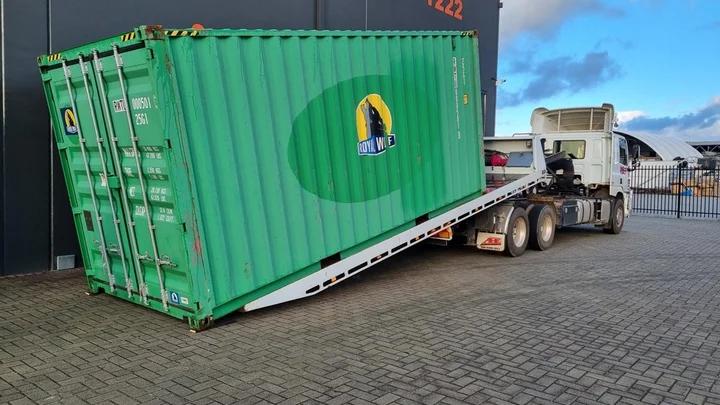
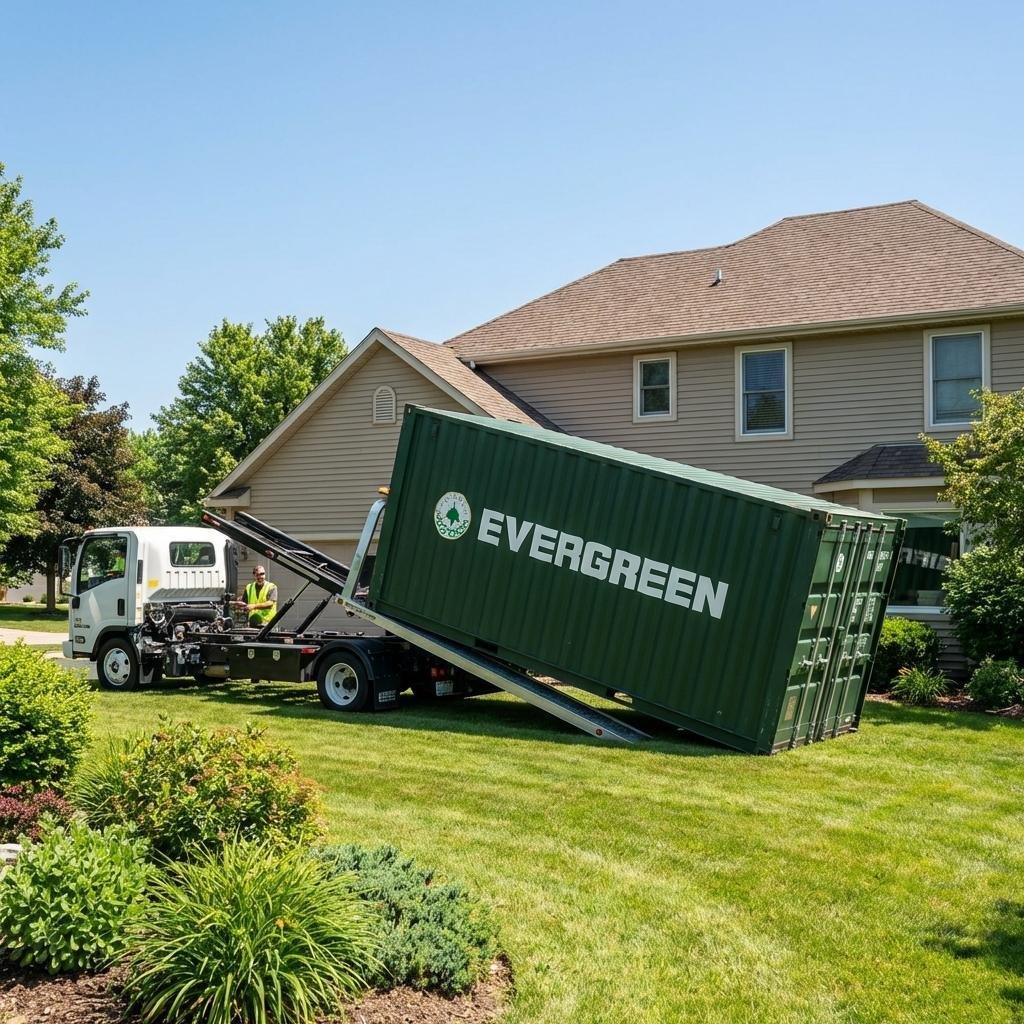
Tilt-Bed or Roll-Off Truck
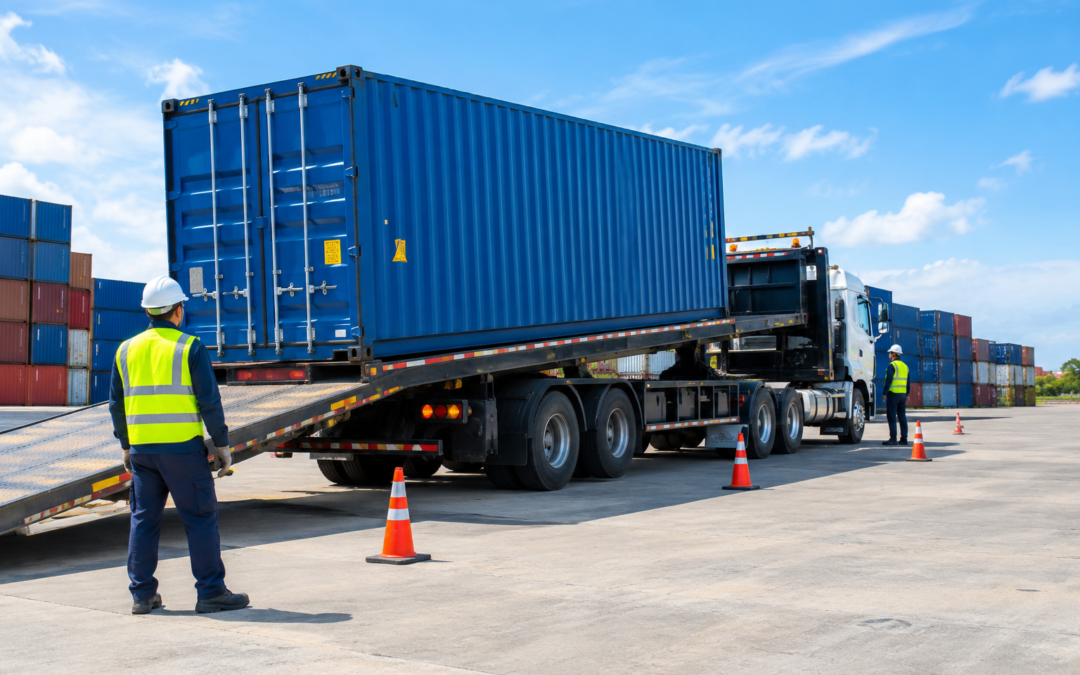
A tilt-bed truck is commonly used for transporting containers between locations with suitable access.
The truck tilts its bed to load or unload the container, depending on the vehicle’s design and operating procedure.For additional information about shipping container loading and load restraint, consult the shipping container loading guide
Suitable for:
- Local container relocation.
- Deliveries to properties with sufficient access.
- Standard container transport.
The driver must assess the available space and ground conditions before loading and unloading.
Crane or Truck-Mounted Hiab
A crane or truck-mounted lifting system can be used when a container needs to be lifted into a specific position.
This method can be useful when the container must be placed over obstacles or in areas that a conventional tilt-bed truck cannot reach.
Considerations:
- Adequate space for crane setup.
- Container structural condition.
- Appropriate lifting equipment and rated lifting points.
- Weather and overhead clearance.
- Qualified operators and suitable lifting plans.
Forklift or Heavy-Duty Handling Equipment
Heavy-duty forklifts and specialized container-handling equipment may be used for moving containers within suitable industrial or construction environments.
The equipment must have sufficient rated capacity and be appropriate for the container’s dimensions and weight.
A standard warehouse forklift should not automatically be assumed suitable for lifting a shipping container.
Rollers, Skates, and Specialized Repositioning Equipment
For some short-distance moves on private property, specialized skates, rollers, or jacking systems may be considered.
These methods require appropriate ground conditions, equipment, and professional knowledge.
Avoid attempting to move a full-size container using improvised tools or unsuitable vehicles.
How Much Does It Cost to Move a Sea Container?
The cost of moving a sea container depends on several factors. There is no single price that applies to every relocation.
Factors That Affect Container Moving Costs
Distance
Longer transportation distances may increase fuel, labor, and vehicle costs.
Container Size and Weight
A 40-foot container typically requires different transport planning from a 20-foot container. Loaded containers require additional consideration of total weight and cargo distribution.
Site Accessibility
Difficult access, narrow roads, uneven ground, and obstacles may require specialized equipment.
Equipment Requirements
The use of cranes, lifting systems, or specialized trucks can affect the total project cost.
Request a Container Transport Quote
To understand your potential moving costs, provide the transport company with accurate information about the container size, pickup location, destination, and site conditions.
Request a detailed quote that explains the transportation and any additional equipment requirements.
Important Safety Tips When Moving a Sea Container
Safety should be a priority during every container relocation.
Use Qualified Professionals
Moving shipping containers involves heavy loads and specialized equipment.For additional guidance, read the International Maritime Organization’s container safety guidance
Secure the Container Correctly
Containers must be secured according to the applicable transport requirements and the equipment manufacturer’s instructions.Learn more from the CTU Code guidance for cargo transport units
For road transport, the securing method should be appropriate for the container and vehicle. Where twistlocks are used, they must be compatible, inspected, and properly engaged.
Keep People Away From the Moving Container
Keep workers and bystanders clear of lifting and loading areas. Never stand beneath a suspended container or enter a hazardous area during the movement.
Check Ground Conditions
Unstable or soft ground can affect lifting equipment, trucks, and container placement. Assess the ground at both locations before beginning the operation.
Preparing Your Property for Sea Container Delivery
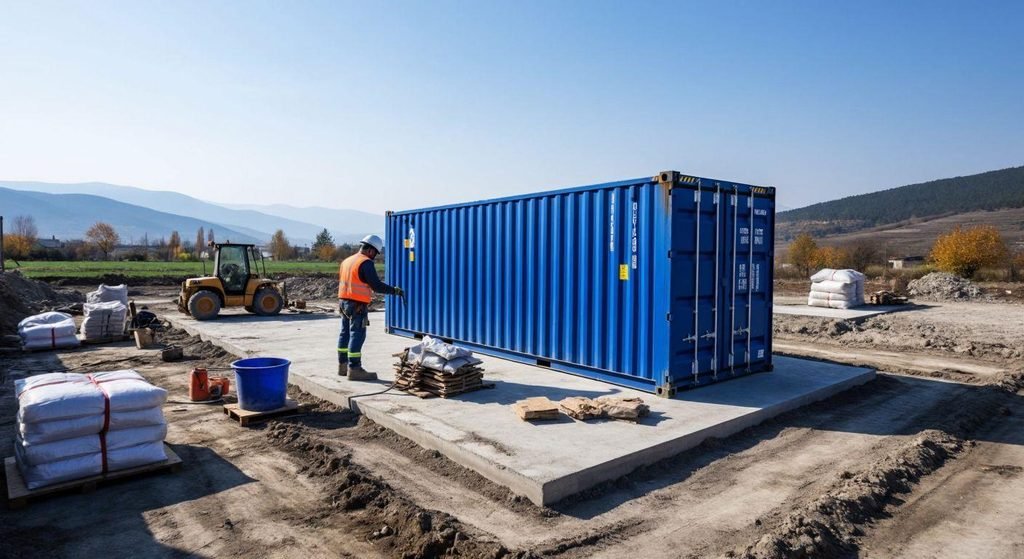
A properly prepared site makes it easier to place your container safely and maintain it over time.
Prepare a Level Foundation
Depending on the intended use, a container may be placed on suitable concrete supports, foundation blocks, or another properly designed base.
The foundation should be appropriate for the container and local ground conditions.
Ensure Adequate Clearance
Leave enough space for opening the doors, inspecting the container, and carrying out future maintenance.
Check Local Requirements
Depending on your location and the container’s intended use, permits, access restrictions, or other local requirements may apply. Check with the relevant local authority before installation.
Why Choose Sea Containers For Sale?
At Sea Containers For Sale, we help customers explore shipping container options for a wide range of applications.
Whether you are searching for a 20-foot sea container, a 40-foot high cube, or a suitable container for a commercial or storage project, our website provides a starting point for your container search.
Visit our website to explore available options and learn more about shipping containers.
Explore Sea Containers For Sale: https://seacontainersforsale.com/
Frequently Asked Questions About Moving Sea Containers
Can I Move a Sea Container Myself?
Some short-distance moves may be possible with appropriate professional equipment and experience. However, moving a full-size container requires careful planning and suitable handling equipment. Professional assistance is recommended for most relocations.
Can a Sea Container Be Moved While Full?
Yes, certain transport and lifting operations can accommodate loaded containers, but the total weight, cargo security, container condition, and equipment capacity must be assessed beforehand.
What Is the Best Truck for Moving a Sea Container?
The appropriate truck depends on the container’s dimensions, weight, distance, and access at the pickup and delivery locations. Tilt-bed trucks and other specialized transport vehicles may be suitable for different situations.
How Do I Prepare a Sea Container for Relocation?
Inspect the container, remove or secure its contents, assess the pickup and destination sites, and arrange suitable transport equipment with a qualified provider.
Final Thoughts
Learning how to move a sea container safely starts with proper planning, suitable equipment, and attention to site conditions. Whether you are moving a container across your property or transporting it to a new location, selecting the right handling method can help reduce risks and unexpected complications.
At Sea Containers For Sale, we are committed to helping customers explore container solutions for their projects. Visit our website to discover available shipping container options and take the next step toward your project.
Start exploring today at seacontainersforsale.com.