How Much Does a 10 Foot Sea Container Weigh? Complete Weight and Dimensions Guide
When purchasing a shipping container, understanding its weight is an important part of making the right decision. Whether you need additional storage space, want to transport equipment or are planning a commercial project, knowing the weight of your container helps you organise transportation, delivery and site preparation.
So, how much does a 10 foot sea container weigh?
A standard empty 10-foot sea container typically weighs approximately 1,200–1,300 kg (2,645–2,866 lbs). However, the exact weight depends on the manufacturer, construction materials, condition and container specifications.
A 10ft high-cube container may weigh slightly more because of its additional height and construction.
In this guide, Sea Containers For Sale explains everything you need to know about 10-foot sea container weight, dimensions, maximum loading capacity and transportation requirements.
How Much Does an Empty 10 Foot Sea Container Weigh?
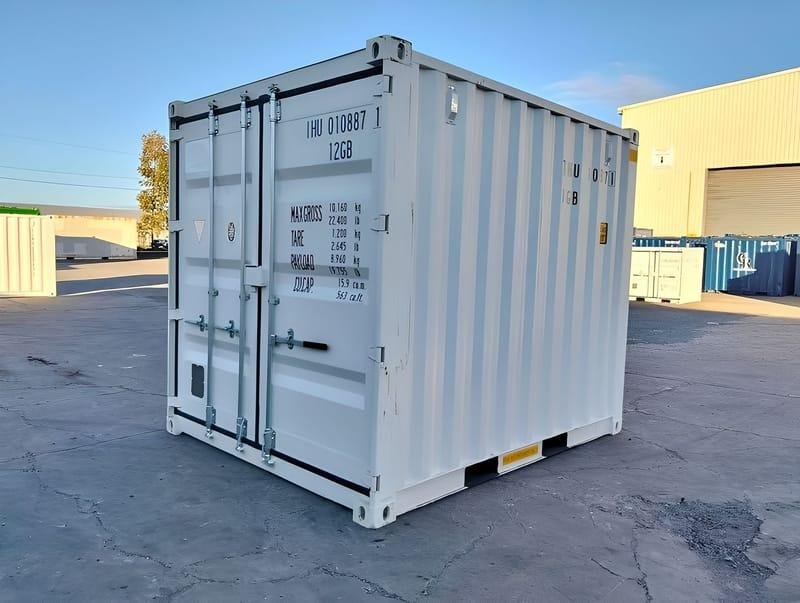
A standard 10-foot shipping container generally weighs approximately 1,300 kg (2,866 lbs) when empty.
This measurement is known as the tare weight. It represents the weight of the container without cargo or additional contents.
Although different manufacturers produce containers with slightly different specifications, 1,300 kg is a useful reference figure when planning transportation and delivery.
Typical 10ft Sea Container Weight Specifications
Here is a general breakdown of standard 10-foot shipping container weight specifications.
| Specification | Approximate Weight |
|---|---|
| Empty container weight (tare) | 1,300 kg |
| Empty weight in pounds | 2,866 lbs |
| Maximum gross weight | 10,160 kg |
| Maximum payload | 8,860 kg |
These are representative specifications. Always check the manufacturer’s specification plate and the container’s individual markings before arranging transportation or loading cargo.
What Is the Tare Weight of a 10ft Container?
Tare weight refers to the total weight of an empty shipping container.
It includes the container’s:
- Steel walls and roof.
- Floor and supporting structure.
- Doors and locking mechanisms.
- Corner castings.
- Structural framework.
Understanding tare weight is particularly important when arranging container delivery because transport vehicles must accommodate the container’s actual weight.
What Is the Maximum Weight a 10 Foot Shipping Container Can Carry?
The maximum weight a 10-foot shipping container can carry depends on its maximum gross weight rating.
A typical standard 10ft shipping container has a maximum gross weight of approximately 10,160 kg.
After subtracting its empty weight, the theoretical maximum payload is approximately 8,860 kg.
However, this does not mean every 10-foot container can safely carry that amount.
The actual permitted payload depends on the individual container’s specifications, condition and applicable transportation regulations.
Understanding Container Payload Capacity
Payload refers to the maximum weight of cargo that can be loaded into a container.
For example:
- Empty container weight: 1,300 kg.
- Maximum gross weight: 10,160 kg.
- Maximum payload: 8,860 kg.
Formula:
Maximum Gross Weight − Tare Weight = Maximum Payload.
Always check the container’s CSC safety approval plate and manufacturer specifications before loading.
10 Foot Sea Container Dimensions and Weight
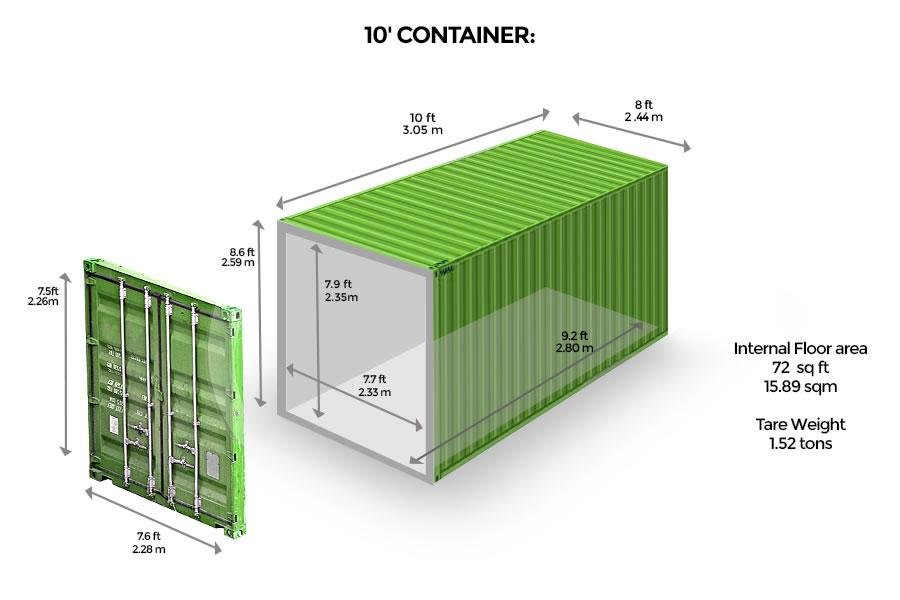
Besides weight, understanding the dimensions of a 10-foot sea container is essential when deciding whether it is suitable for your property or storage requirements.
A standard 10ft container offers a compact storage solution while maintaining the strength and durability associated with traditional shipping containers.
Standard 10ft Shipping Container Dimensions
| Dimension | Approximate Measurement |
|---|---|
| External length | 2.99 metres |
| External width | 2.44 metres |
| External height | 2.59 metres |
| Internal length | 2.83 metres |
| Internal width | 2.35 metres |
| Internal height | 2.39 metres |
| Empty weight | 1,300 kg |
| Internal capacity | Approximately 15.8 m³ |
Dimensions and weights can vary depending on the manufacturer and container design.
How Much Space Does a 10ft Sea Container Provide?
A standard 10-foot container offers approximately 15–16 cubic metres of internal storage space.
This makes it suitable for storing:
- Business equipment.
- Construction materials.
- Household belongings.
- Gardening equipment.
- Tools and machinery.
- Commercial inventory.
Is a 10ft Container Big Enough for Storage?
For individuals and businesses with limited storage requirements, a 10ft container can provide a practical solution.
It offers considerably more storage space than many traditional garden sheds while taking up less ground space than a 20ft or 40ft container.
Choosing the Right Container Size
Before purchasing, consider the amount of equipment or inventory you intend to store.
A 10ft container may be sufficient for smaller projects, while a 20ft or 40ft container may be more appropriate for larger storage requirements.
For additional guidance, read our Complete Sea Container Buying Guide.
What Factors Affect the Weight of a 10 Foot Sea Container?
Not every 10ft shipping container weighs exactly the same.
Several factors can influence the overall weight of a container.
1. Manufacturing Materials
Shipping containers are generally manufactured using durable steel.
The thickness of the steel panels, flooring materials and structural components can influence the container’s overall weight.
2. Container Type
Different container designs have different weight specifications.
For example, a standard 10ft dry container may weigh less than a specialised or modified container.
3. Container Condition
Used containers may have undergone repairs or modifications during their working life.
Additional steel reinforcement, replacement flooring and structural repairs can affect the original tare weight.
4. Additional Modifications
Some shipping containers are modified to accommodate specific storage or commercial requirements.
Examples include:
- Additional access doors.
- Windows.
- Electrical installations.
- Insulation.
- Internal shelving.
- Ventilation systems.
These additions can increase the container’s overall weight.
5. High Cube Construction
A 10ft high-cube container offers additional vertical space compared with a standard-height container.
Its additional structural materials can increase its empty weight.
How Does a 10ft Container Compare With a 20ft and 40ft Container?
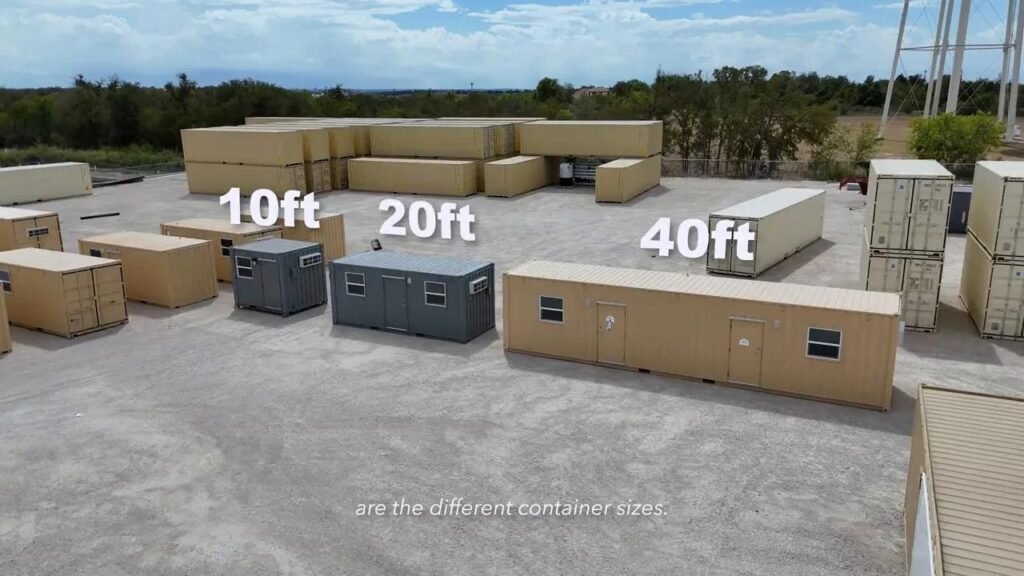
Choosing the right container size depends on your available space, storage requirements and transportation arrangements.
Here is a general comparison of common container sizes.
| Container Size | Approximate Empty Weight |
|---|---|
| 10ft container | 1,300 kg |
| 20ft container | 2,120–2,250 kg |
| 40ft container | 3,640–3,750 kg |
These are approximate reference figures and can vary between manufacturers.
10ft Shipping Containers
A 10ft container is ideal for smaller storage requirements.
It is particularly useful for businesses, construction sites, farms and properties where space is limited.
20ft Shipping Containers
A 20ft container provides considerably more storage capacity.
It is a popular option for commercial storage, equipment, construction materials and general cargo.
If you are considering a larger unit, read our article about How Much Does a 20 Foot Sea Container Weigh?.
40ft Shipping Containers
A 40ft container offers substantially more storage space than a 10ft container.
It is commonly used for larger commercial operations, warehouses, industrial equipment and international freight transportation.
For more information, explore our Shipping Container Cost Guide.
How Does the Weight of a 10ft Container Affect Delivery?
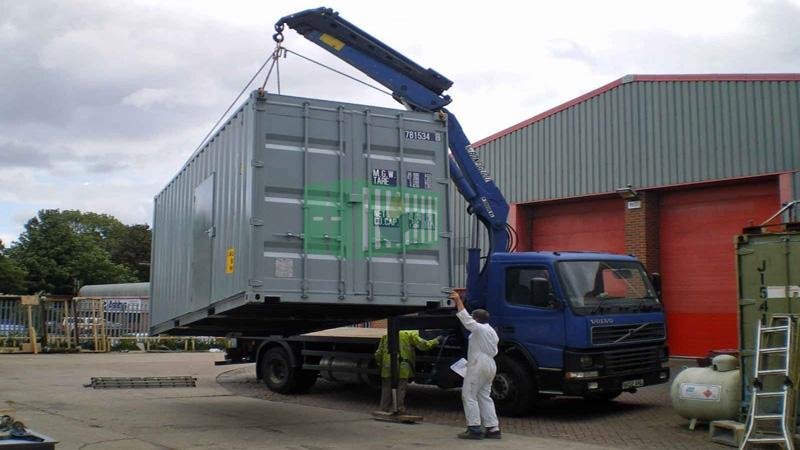
Understanding the weight of your sea container is important before arranging transportation.
Although a 10ft container is smaller than standard 20ft and 40ft containers, it still requires suitable transportation equipment.
Choosing the Right Delivery Vehicle
The delivery vehicle must be capable of transporting the container safely.
Factors to consider include:
- Container weight.
- Vehicle payload capacity.
- Loading and unloading equipment.
- Road access.
- Delivery distance.
- Ground conditions.
Preparing Your Site for Container Delivery
Before arranging delivery, make sure the intended location is suitable.
Consider the following:
- Ensure the ground is stable and level.
- Check that the delivery vehicle can access the property.
- Measure gate openings and available turning space.
- Check for overhead cables and other obstacles.
- Prepare suitable container supports or foundations.
For additional guidance, read our article: How to Move a Sea Container Safely.
Why Choose a 10 Foot Sea Container?
A 10ft sea container offers several advantages for individuals and businesses looking for compact and secure storage.
Space Efficiency
Its smaller footprint makes it suitable for properties where installing a larger container may not be practical.
Durability
Shipping containers are constructed using strong materials designed to withstand demanding transportation and environmental conditions.
Security
Steel construction and locking mechanisms provide a secure storage environment when the container is maintained properly.
Versatility
A 10ft container can be used for different applications, including:
- Commercial storage.
- Construction-site equipment.
- Agricultural supplies.
- Tools and machinery.
- Household belongings.
- Workshop storage.
What Should You Check Before Buying a 10ft Sea Container?
Before purchasing a container, it is important to evaluate its condition and specifications.
Inspect the Exterior
Check the roof, side panels, doors and corner castings for visible damage, corrosion or previous repairs.
Check the Interior
Inspect the flooring, internal walls and roof for signs of moisture, damage or contamination.
Verify the Weight Specifications
Ask the supplier for the container’s tare weight, maximum gross weight and payload rating.
Request Current Container Information
If you are buying a used container, request recent photographs and accurate information about its condition.
Consider Delivery Requirements
Always confirm the delivery cost, available equipment and site requirements before completing your purchase.
Frequently Asked Questions About 10 Foot Sea Container Weight
How much does an empty 10ft sea container weigh?
A standard empty 10ft sea container typically weighs approximately 1,300 kg (2,866 lbs), although specifications vary between manufacturers.
How much does a 10ft shipping container weigh in pounds?
A typical 10ft shipping container weighs approximately 2,866 pounds when empty.
Can a 10ft sea container carry 8 tonnes?
Some standard 10ft shipping containers have a theoretical payload capacity of approximately 8,860 kg. However, always verify the individual container’s payload rating and applicable transport restrictions.
Does a 10ft high-cube container weigh more?
Generally, yes. A 10ft high-cube container can weigh slightly more because of its additional height and construction.
What is the maximum gross weight of a 10ft shipping container?
A common maximum gross weight rating is approximately 10,160 kg. The actual rating must be verified using the container’s individual safety approval plate.
Is a 10ft sea container suitable for business storage?
Yes. A 10ft container can provide secure and practical storage for business equipment, tools, materials and inventory.
Is a 10ft container easier to transport than a 20ft container?
Generally, yes. Its smaller dimensions and lower empty weight can make transportation and placement easier. However, suitable equipment and access are still essential.
Final Thoughts: How Much Does a 10 Foot Sea Container Weigh?
So, how much does a 10 foot sea container weigh?
A standard empty 10ft sea container typically weighs around 1,300 kg (2,866 lbs). Its maximum gross weight may be approximately 10,160 kg, with a theoretical payload capacity of 8,860 kg.
However, the actual weight depends on the container’s design, manufacturer, condition and modifications.
Whether you need a compact storage solution for your business, construction site or property, a 10ft sea container can be a practical investment.
At Sea Containers For Sale, we understand the importance of choosing the right container for your requirements.
Visit Sea Containers For Sale to explore available container options and find a suitable solution for your storage or shipping needs.