Tracking Sea Containers: Everything You Need to Know
Tracking sea containers has become an important part of modern international shipping and logistics. Every day, thousands of shipping containers travel across oceans, ports, railways and highways, transporting goods between countries and businesses.
Whether you are importing products, exporting merchandise or purchasing a shipping container, understanding how container tracking works can help you monitor shipments, plan deliveries and stay informed about transportation progress.
But how can you track sea containers? What information do you need, and which tracking systems are available?
In this comprehensive guide, Sea Containers For Sale explains everything you need to know about tracking sea containers, including container tracking numbers, shipping line tracking systems, GPS technology and practical ways to monitor international shipments.
What Is Sea Container Tracking?
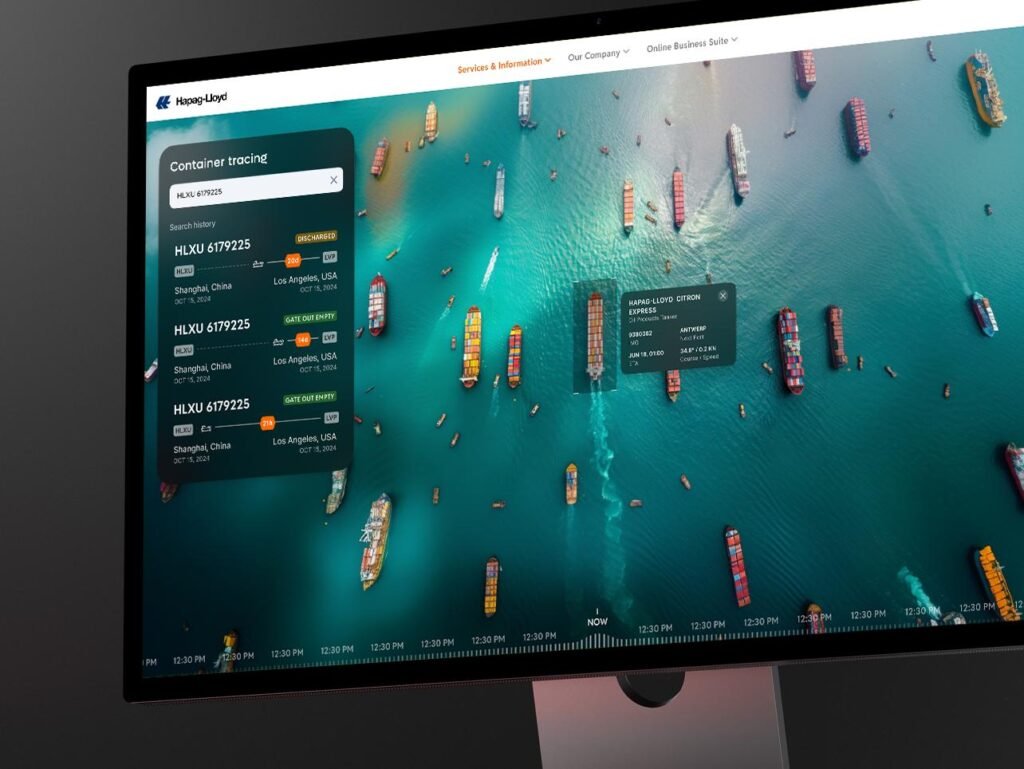
Sea container tracking is the process of monitoring the movement and transportation status of shipping containers from their departure location to their final destination.
It allows shipping companies, importers, exporters and logistics operators to obtain information about where a container is expected to be and how far it has progressed through the transportation process.
Most international shipping companies provide online tracking services that allow customers to check shipment information using a container number, booking reference or bill of lading number.
Depending on the shipping company and available tracking technology, information may include:
- Vessel departure information.
- Container loading confirmation.
- Port arrival dates.
- Transshipment information.
- Customs clearance updates.
- Estimated delivery dates.
- Container discharge confirmation.
Understanding these updates helps businesses plan their operations and prepare for incoming deliveries.
Why Is Tracking Sea Containers Important?
Tracking sea containers provides several advantages for individuals and businesses involved in international transportation.
1. Improved Shipment Visibility
Container tracking helps customers understand the progress of their shipments.
Instead of relying entirely on telephone calls or email updates, customers can access available shipment information online.
2. Better Delivery Planning
Knowing the estimated arrival date helps businesses organise transportation, warehouse space and delivery arrangements.
3. Reduced Shipping Uncertainty
International shipping involves several stages, including vessel transportation, port handling and customs procedures.
Tracking updates provide greater visibility throughout these stages.
4. Improved Supply Chain Management
Businesses transporting large quantities of products can use tracking information to coordinate inventory and manage stock levels.
5. Easier Communication
Shipment information makes it easier for customers, shipping agents and logistics providers to discuss delays and delivery arrangements.
How Does Sea Container Tracking Work?
Sea container tracking works through a combination of shipping documentation, logistics databases, vessel information and tracking technologies.
When a shipping container is booked for transportation, the shipping company records important shipment details in its logistics system.
As the container moves through different transportation stages, the shipping company updates its records.
Customers can then access available information through the shipping company’s tracking website.
Step 1: Obtain Your Container Tracking Number
The first step is obtaining the correct identification information.
A standard international shipping container identification number normally consists of four letters followed by seven digits.
For example:
ABCU1234567
The identification number is used to distinguish one container from another.
It is important to enter the correct container number when using an online tracking service.
Step 2: Visit the Shipping Company’s Tracking Website
Once you have your container number, visit the official website of the shipping line responsible for transporting your cargo.
Most major shipping companies provide online shipment tracking facilities.
Step 3: Enter Your Tracking Information
Locate the tracking section and enter your container number, booking reference or bill of lading number, depending on the information requested.
Step 4: Review Your Shipment Status
After submitting the information, the tracking system may display available shipment updates.
These could include:
- Empty container released.
- Container received at origin terminal.
- Loaded onto vessel.
- Vessel departed.
- Transshipment in progress.
- Vessel arrived at destination port.
- Container discharged.
- Container available for collection.
Step 5: Monitor Your Shipment Until Delivery
Continue checking available updates until your container reaches its destination and the delivery or collection process is completed.
Different Methods of Tracking Sea Containers
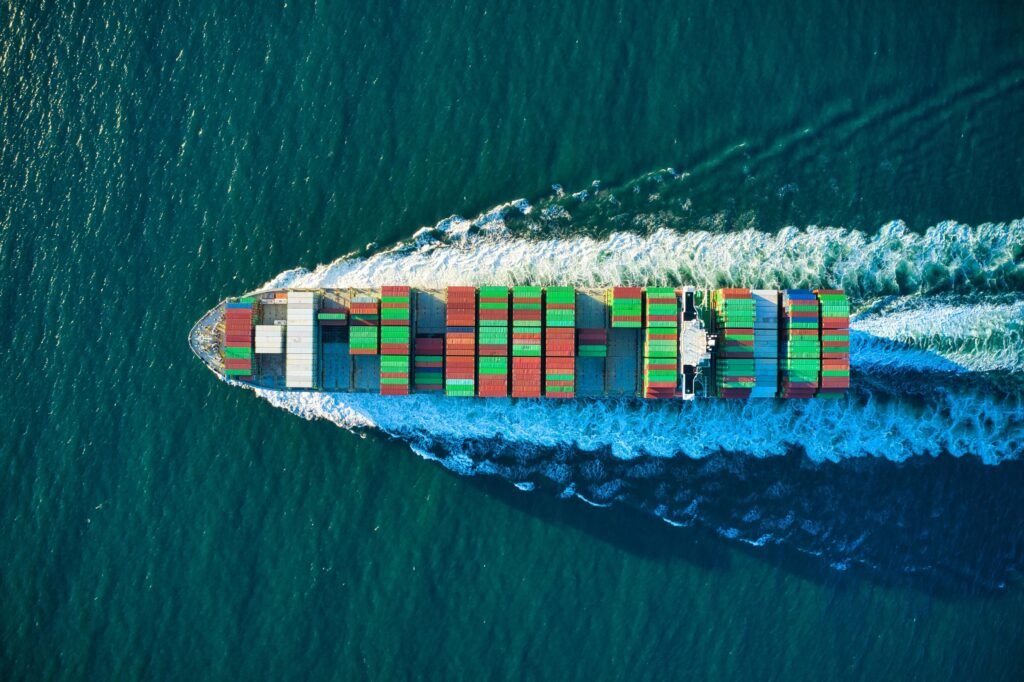
There are several ways to track shipping containers, depending on the shipping company, transportation arrangement and available technology.
1. Tracking Through Shipping Line Websites
One of the easiest methods is using the official tracking service provided by your shipping company.
Major international shipping lines provide online tools for checking container movement and shipment status.
Some well-known shipping companies include:
- Maersk
- MSC
- CMA CGM
- Hapag-Lloyd
- COSCO Shipping
- ONE (Ocean Network Express)
These companies provide tracking services through their official websites.
2. Tracking Through Bill of Lading Numbers
A Bill of Lading (B/L) is an important shipping document issued in connection with the transportation of cargo.
It contains information about the shipment, including the shipper, consignee, cargo and transportation arrangements.
Many shipping companies allow customers to track shipments using their Bill of Lading reference.
This can be particularly useful when you do not have the physical container number.
3. Tracking Through GPS Technology
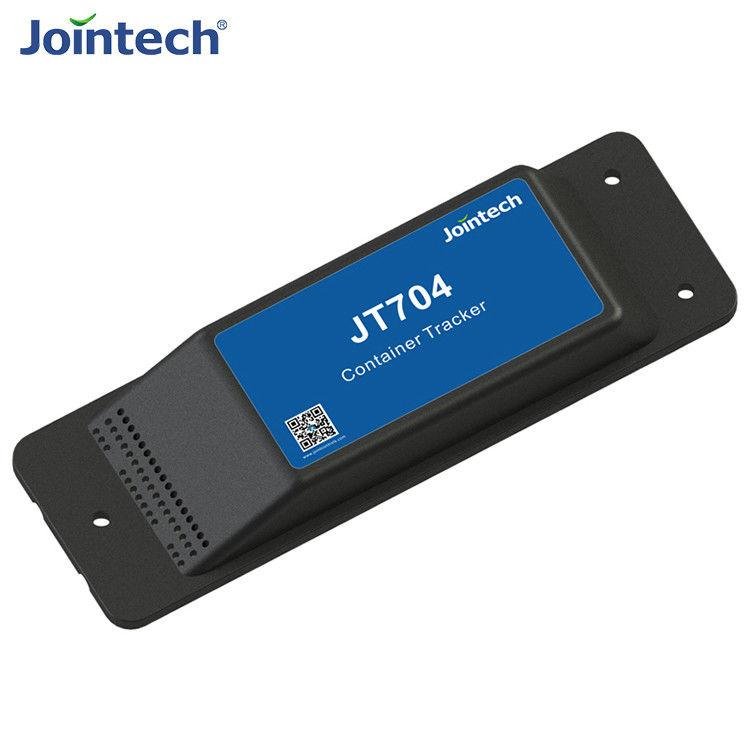
GPS technology can be used to monitor the location of shipping containers when compatible tracking devices are installed.
GPS-enabled container tracking devices can provide location information during transportation.
Depending on the equipment, some systems can also monitor:
- Container location.
- Door opening events.
- Temperature conditions.
- Humidity levels.
- Unauthorised movement.
- Security alerts.
However, not every shipping container has an independent GPS tracking device installed.
4. Tracking Through Logistics Platforms
Some logistics companies provide digital platforms that combine information from different shipping providers.
These platforms can help businesses monitor multiple shipments in one place.
Depending on the service, users may be able to view vessel information, estimated arrival dates and container movement updates.
What Information Do You Need to Track a Sea Container?
Before attempting to track a shipping container, it is useful to have the correct shipment information.
The most common tracking details include:
| Tracking Information | Purpose |
|---|---|
| Container Number | Identifies the individual container |
| Bill of Lading Number | Identifies the shipping contract and cargo shipment |
| Booking Number | Identifies the shipping reservation |
| Shipping Line | Identifies the company transporting the cargo |
| Vessel Name | Identifies the cargo ship |
| Destination Port | Shows where the shipment is expected to arrive |
Having accurate information makes the tracking process easier.
Understanding Common Sea Container Tracking Statuses
When checking a shipment, you may encounter different tracking descriptions.
Understanding these statuses helps you determine what is happening to your container.
Empty Container Released
The shipping company has made an empty container available for collection and loading.
Container Received at Origin Terminal
The loaded container has arrived at the departure port terminal.
Loaded on Vessel
The container has been loaded onto the cargo ship.
Vessel Departed
The vessel carrying your container has departed from the port.
In Transit
The container is currently progressing through its transportation journey.
Transshipment
The container is being transferred between vessels at an intermediate port.
Vessel Arrived
The cargo ship has arrived at the destination port.
Container Discharged
The container has been unloaded from the vessel.
Available for Delivery
The container has completed the necessary port procedures and may be available for collection or further transportation, subject to customs and terminal requirements.For more information read our blog How To Move A Sae Container Safely.
Can You Track a Sea Container in Real Time?
One common question is whether shipping containers can be tracked in real time.
The answer depends on the tracking technology being used.
Traditional container tracking generally provides milestone updates rather than continuous location information.
For example, a shipping company might update the container status when it is loaded onto a vessel, arrives at a port or is discharged.
However, GPS-enabled tracking devices can provide more frequent location updates.
GPS Tracking vs Traditional Container Tracking
| Feature | Traditional Tracking | GPS Tracking |
|---|---|---|
| Shipment status | Yes | Yes |
| Port arrival updates | Yes | Yes |
| Continuous location | Generally no | Depending on device |
| Security monitoring | Limited | Available with suitable devices |
| Temperature monitoring | Limited | Available with suitable sensors |
| Live location updates | Not usually | Device dependent |
It is important to understand that a container number alone does not normally provide live GPS positioning.
What Causes Delays in Sea Container Tracking?
Sometimes, customers notice that their container tracking information has not changed for several days.
This does not necessarily mean that the container has been lost.
Several factors can affect shipment progress and tracking updates.
1. Port Congestion
Busy seaports can experience congestion when large numbers of cargo ships arrive simultaneously.
This can delay unloading, handling and container processing.
2. Bad Weather Conditions
Severe weather, storms and rough seas can affect vessel schedules.
Shipping companies may change routes or delay departures to protect vessels and cargo.
3. Customs Inspections
Customs authorities may inspect shipments to verify documentation, cargo descriptions and compliance with import regulations.
These inspections can affect the release of containers.
4. Transshipment Delays
Some containers must be transferred between different vessels before reaching their final destination.
Delays involving connecting vessels can affect estimated arrival dates.For more information read our blog How Long Are Shipping Containers At Sea.
5. Tracking System Updates
Shipping information is not always updated continuously.
Sometimes, the container has progressed through the transportation process, but the online tracking system has not yet reflected the latest information.
How to Choose a Reliable Sea Container Tracking Service
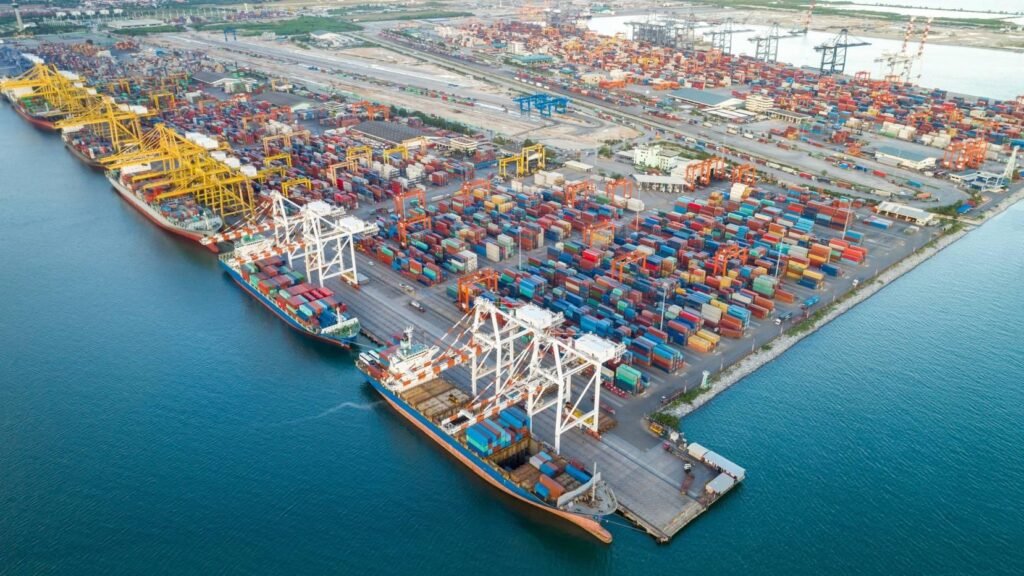
When selecting a tracking service, consider the following factors:
Accuracy
Choose a service that provides information directly from reliable shipping or logistics sources.
Ease of Use
A good tracking platform should make it easy to enter container numbers and retrieve shipment information.
Multiple Shipping Lines
If you regularly import or export products, a platform supporting multiple shipping companies can be useful.
Shipment Notifications
Some platforms provide notifications when important shipment events occur.
Data Security
Use reputable websites when entering shipping documents and other commercial information.
Tips for Tracking Your Shipping Container Successfully
To make container tracking easier, follow these practical recommendations:
- Keep your container number and shipping documents safe.
- Confirm the shipping line responsible for your cargo.
- Use the official shipping company’s tracking website whenever possible.
- Check estimated arrival dates regularly.
- Contact your shipping agent if tracking information remains unclear.
- Keep copies of your Bill of Lading and booking confirmation.
- Confirm customs and delivery arrangements before the container arrives.
These simple practices can help reduce uncertainty and improve shipment planning.
The Future of Sea Container Tracking
Technology continues to transform the international shipping industry.
Modern tracking solutions are becoming more sophisticated, allowing shipping companies and logistics operators to obtain better visibility into container movements.
Some important developments include:
Internet of Things (IoT)
IoT devices can collect and transmit information about container conditions, movement and security.
Artificial Intelligence
Artificial intelligence can help logistics companies analyse shipment information, identify potential delays and improve transportation planning.
Smart Container Technology
Smart containers use connected sensors and communication technologies to provide additional information about cargo conditions and container security.
Digital Supply Chain Platforms
Digital logistics platforms are making it easier for businesses to coordinate shipments and access transportation information.
These developments are expected to improve shipment visibility and supply chain management.
Frequently Asked Questions About Tracking Sea Containers
How can I track a sea container?
You can track a sea container by entering its container number, Bill of Lading number or booking reference into the shipping company’s official tracking website.
Can I track a shipping container using its container number?
Yes. Most major shipping lines allow customers to search for shipment information using the container identification number.
Can I track a sea container without a tracking number?
You may be able to track a shipment using its Bill of Lading number or booking reference. Contact your shipping agent if you do not have any shipment identification details.
Can I track a shipping container anywhere in the world?
You can generally access shipment tracking information internationally through shipping company websites. However, the level of tracking information available depends on the shipping line and tracking system.
Do all sea containers have GPS trackers?
No. Most standard shipping containers do not automatically come with independent GPS tracking devices. GPS monitoring requires compatible tracking equipment.
Why is my shipping container tracking not updating?
Possible reasons include delayed data updates, port congestion, transshipment, vessel schedule changes and customs processing.
How long does it take for a sea container to arrive?
Delivery time depends on the departure and destination ports, shipping route, vessel schedule, transshipment arrangements and customs clearance.
Conclusion: Why Tracking Sea Containers Matters
Tracking sea containers is an essential part of modern international shipping. It helps importers, exporters, businesses and logistics operators monitor shipment progress, organise deliveries and obtain important transportation updates.
Whether you are using a container number, Bill of Lading reference, shipping line website or GPS tracking device, having access to reliable shipment information makes the transportation process easier to manage.
At Sea Containers For Sale, we understand the importance of shipping containers in international trade, transportation and storage.
Whether you are researching container transportation or looking for a suitable container for your business, understanding container specifications, condition and delivery arrangements is essential.
Explore the available options at Sea Containers For Sale and discover practical shipping container solutions for your next project.