Freight Containers: Types, Sizes, Uses and Buying Guide
Introduction to Freight Containers
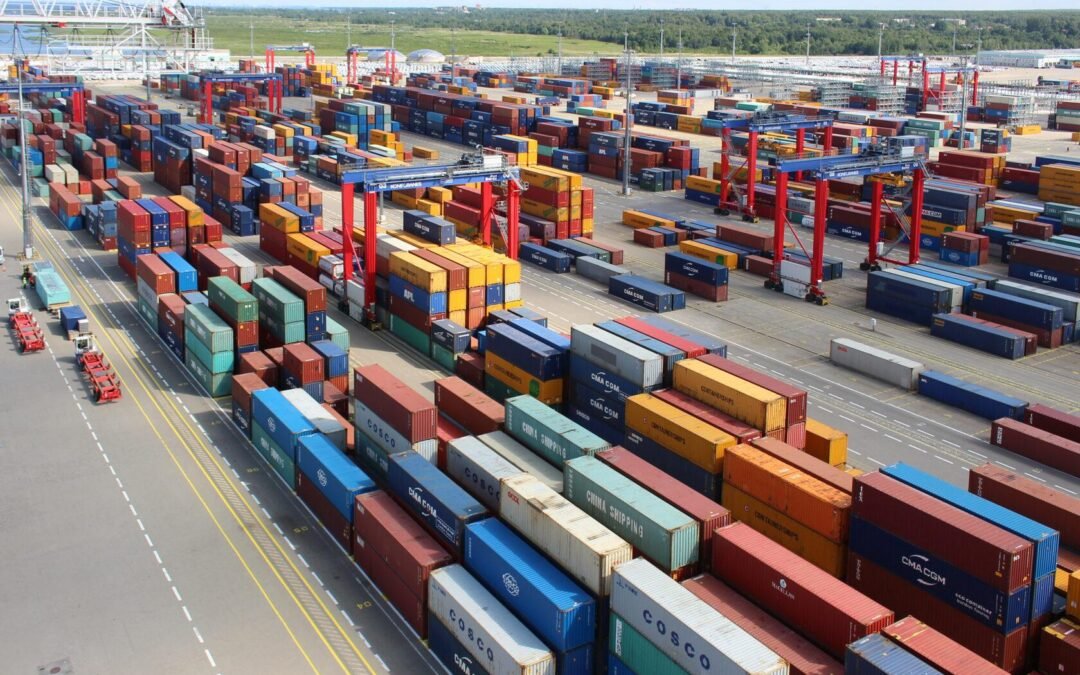
Freight containers play an essential role in international trade, transportation and storage. They provide a secure and practical way to transport goods by sea, road and rail while protecting cargo from many external elements.
Whether you operate a business, manage a construction project or need additional storage space, understanding freight containers can help you make the right purchasing decision.
Freight containers are available in different sizes, designs and conditions to suit various requirements. From standard 20-foot containers to spacious 40-foot high cube models, choosing the right container depends on your available space, intended use and budget.
At Sea Containers For Sale, we help customers explore container options for storage, commercial applications and other practical needs.
If you are looking for reliable container options, visit Sea Containers For Sale to explore our website.
What Are Freight Containers?
Freight containers are durable, reusable units designed to transport goods efficiently between locations. They are commonly manufactured with strong steel structures and standardised dimensions that allow them to be handled by ships, trucks, trains and specialised lifting equipment.
Also known as shipping containers or cargo containers, they are widely used throughout global supply chains.
Standard freight containers are designed to protect cargo during transportation and can also serve as secure storage units when they are no longer required for shipping.
How Do Freight Containers Work?
Freight containers allow goods to be packed into a single transport unit. Once loaded, a container can be transferred between different transportation methods without requiring all the cargo to be unloaded at each stage.
For example, products may be loaded into a container at a warehouse, transported by truck to a port, shipped overseas and delivered to their final destination by road or rail.
This approach helps streamline cargo handling and can reduce unnecessary handling during transportation.
Key Features of Freight Containers
Common features include:
- Strong structural frames.
- Weather-resistant construction.
- Secure cargo doors and locking points.
- Standardised external dimensions.
- Compatibility with suitable container-handling equipment.
- Reusable designs suitable for transportation and storage.
Why Are Freight Containers Important?
Freight containers make it easier to move large quantities of goods between locations. Their standardised design supports efficient handling, stacking and transportation.
They are also useful beyond international shipping because many businesses and property owners repurpose them for storage, workshops and other applications.
What Are the Different Types of Freight Containers?
Freight containers come in several types, each designed to meet particular transportation, loading or storage requirements.
Understanding the differences can help you choose a container that suits your intended purpose.
1. Standard Dry Freight Containers
Standard dry freight containers are among the most widely used container types.
They are fully enclosed and generally feature steel walls, a roof, a floor and secure doors at one end. They are suitable for transporting and storing many types of dry goods.
Common applications include:
- Furniture and household goods.
- Packaged products.
- Tools and equipment.
- Construction materials.
- General commercial cargo.
- Business and household storage.
Standard dry containers are commonly available in 20-foot and 40-foot lengths.
2. High Cube Freight Containers
High cube freight containers provide additional internal height compared with standard-height containers of the same length.
A typical high cube container is approximately 9 feet 6 inches tall externally, compared with approximately 8 feet 6 inches for a standard-height model.
The extra height can be useful when storing taller equipment, bulky materials or goods that require more vertical clearance.
High cube containers are also popular for certain commercial storage and conversion projects.
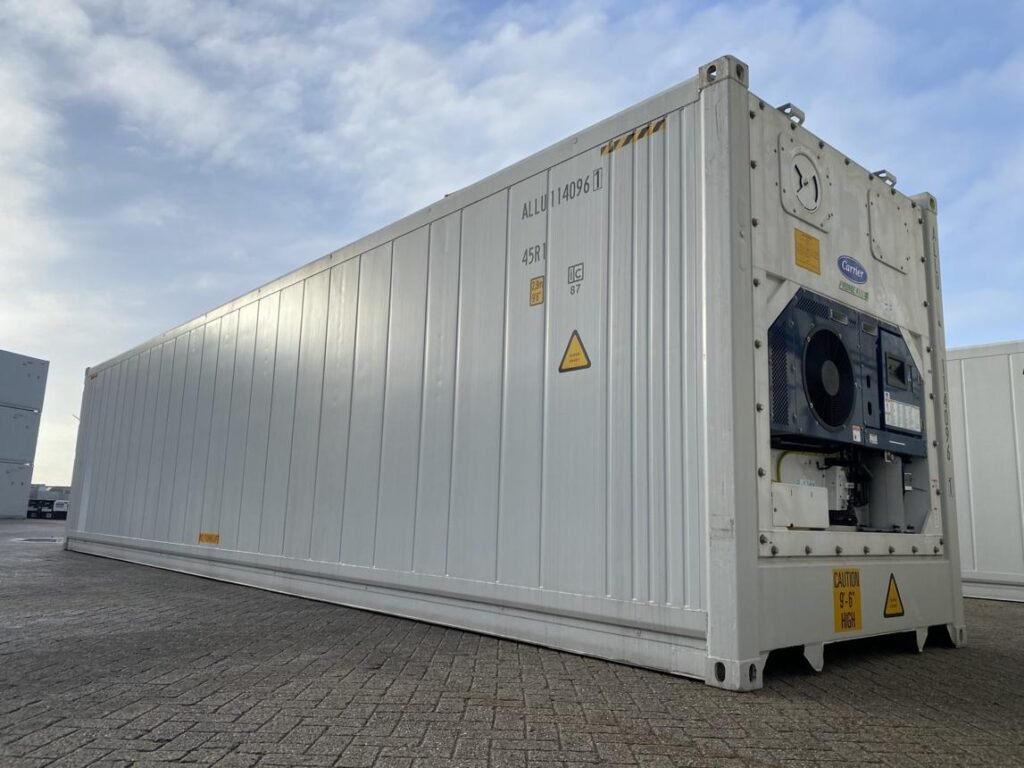
3. Refrigerated Freight Containers
Refrigerated containers, commonly called reefer containers, are designed to transport goods that require controlled temperatures.
They incorporate refrigeration equipment and insulation to maintain suitable conditions for compatible cargo.
Common applications include transporting:
- Fresh produce.
- Frozen food.
- Meat and seafood.
- Certain pharmaceutical products.
- Other temperature-sensitive goods.
Refrigerated containers require appropriate power and operating arrangements to maintain their intended temperature.
4. Open-Top Freight Containers
Open-top containers feature a removable or flexible roof arrangement that allows cargo to be loaded from above.
They are particularly useful for goods that cannot easily be loaded through standard container doors.
Typical applications include certain types of machinery, industrial equipment and oversized cargo.
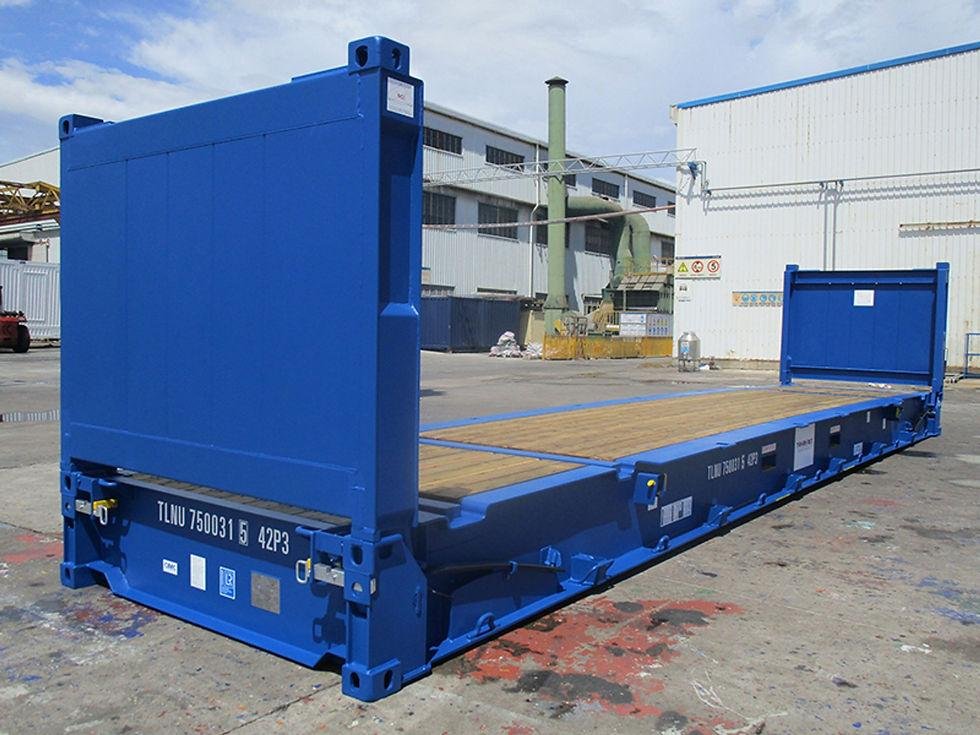
5. Flat Rack Freight Containers
Flat rack containers are designed for cargo that exceeds the dimensions of a conventional enclosed container.
Depending on the design, they feature a flat base and fixed or collapsible end structures.
They may be used to transport machinery, large industrial components, vehicles and other specialised cargo.
6. Tank Freight Containers
Tank containers are designed to transport liquids, gases and other compatible bulk products.
They use a specialised tank secured within a structural frame. Their construction and operating requirements depend on the material being transported.
Tank containers must be selected according to the cargo’s properties and applicable safety requirements.
Common Freight Container Sizes
Choosing the correct container size is important for both transportation and storage.
The most familiar container lengths are 20 feet and 40 feet, although other sizes are also available.
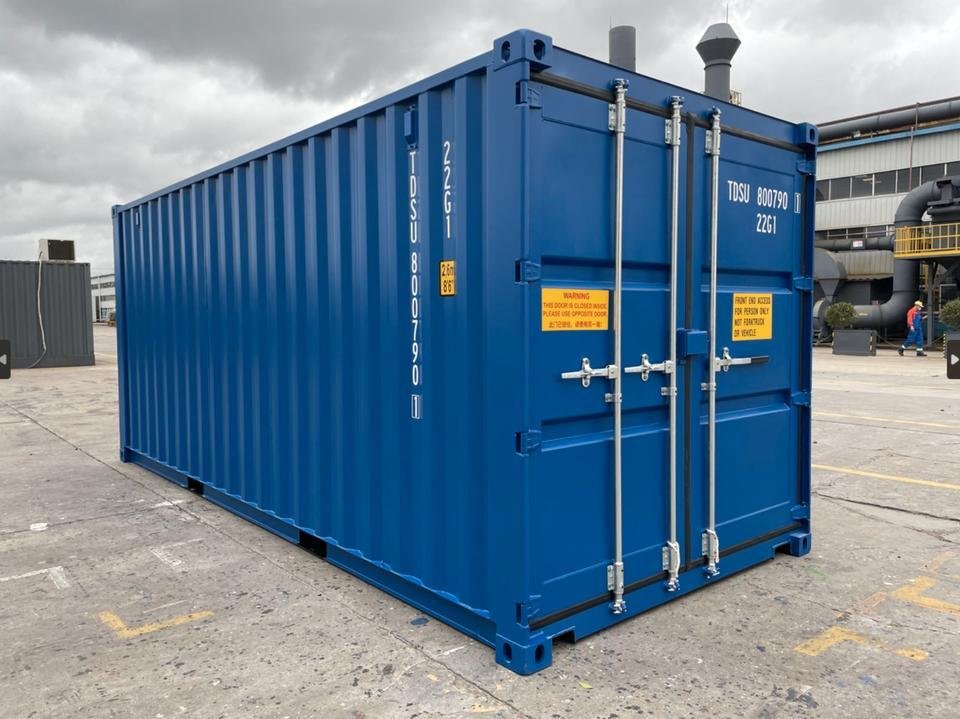
20-Foot Freight Containers
A standard 20-foot container measures approximately 20 feet long, 8 feet wide and 8 feet 6 inches high externally.
It is often suitable for:
- Small and medium-sized businesses.
- Household storage.
- Tools and equipment.
- Construction materials.
- Smaller cargo shipments.
A 20-foot container can be a practical option when site space is limited or the required storage capacity is relatively modest.
For more information, read our guide: How Much Does a 20-Foot Sea Container Weigh?
40-Foot Freight Containers
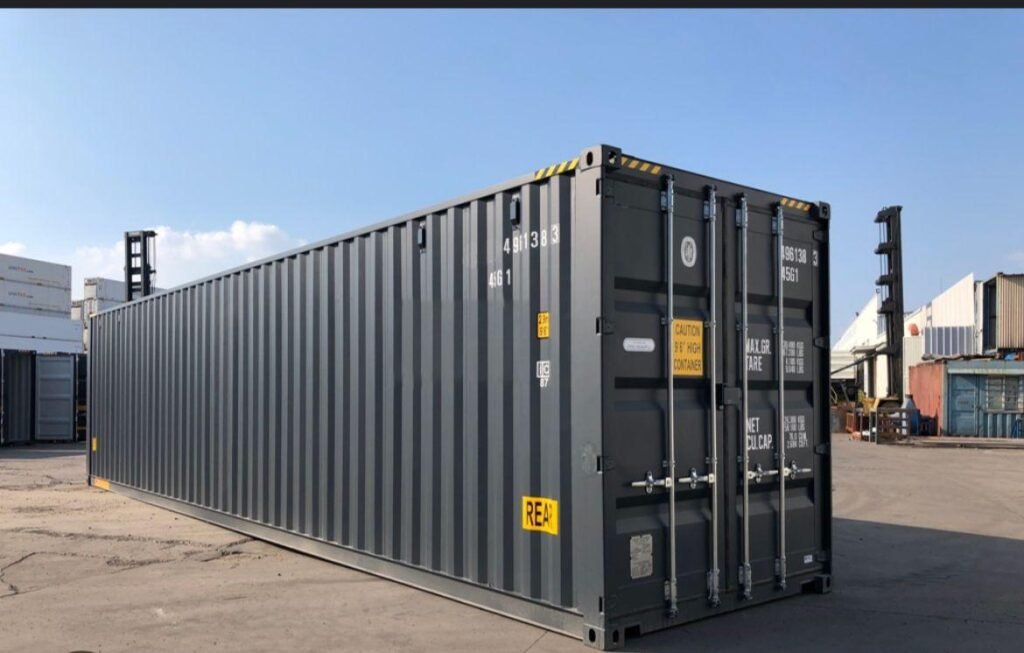
A standard 40-foot container provides approximately twice the external length of a 20-foot container.
It is commonly used when businesses or individuals require more storage space or need to accommodate larger quantities of goods.
Potential uses include:
- Commercial inventory storage.
- Agricultural equipment storage.
- Construction supplies.
- Large household moves.
- Warehousing and distribution.
Although a 40-foot container offers more floor space, you should also consider delivery access, available ground space and the weight of the goods being stored.
For additional information, see our article on How Much Does a 40-Foot Sea Container Weigh?
40-Foot High Cube Freight Containers
A 40-foot high cube container offers additional vertical space compared with a standard-height 40-foot container.
It can be particularly useful for bulky goods, taller equipment and applications where extra headroom is beneficial.
However, you should check the container’s internal dimensions, door opening and payload rating before purchasing.
How Do You Choose the Right Freight Container Size?
Consider the following factors before making your decision:
- Storage requirements: Estimate the volume of goods you need to accommodate.
- Cargo dimensions: Measure the length, width and height of your largest items.
- Weight: Check the container’s maximum payload and the weight of your intended cargo.
- Available space: Confirm that the container will fit on your property.
- Delivery access: Make sure suitable delivery and lifting equipment can reach the intended location.
- Future needs: Consider whether your storage requirements may increase over time.
What Are Freight Containers Used For?
Freight containers are versatile structures used across transportation, business, construction and storage.
International Shipping and Transportation
Their primary purpose is transporting cargo between locations.
Standardised dimensions allow compatible containers to be transferred between ships, trucks and trains, helping goods move through international supply chains.
Commercial Storage
Businesses use freight containers to store stock, tools, machinery and equipment.
They can provide additional storage capacity without requiring a permanent warehouse extension, provided the site is suitable and local requirements are met.
Construction Sites
Construction companies may use containers to store tools, materials and equipment at project locations.
Their suitability depends on the items being stored, security arrangements, site access and ground conditions.
Agricultural Applications
Farmers and agricultural businesses may use containers to store machinery, tools, spare parts and suitable packaged supplies.
Ventilation and moisture management should be considered when storing items that may be affected by condensation or humidity.
Workshops and Conversion Projects
Some owners adapt freight containers for workshops, studios or other functional spaces.
Such projects may require insulation, ventilation, electrical work, structural modifications and planning or building approval, depending on the intended use and location.
What Should You Consider Before Buying Freight Containers?
Buying a freight container requires more than choosing a size. Its condition, intended use, delivery requirements and overall cost should all be considered.
New or Used Freight Containers?
New containers are generally preferred by buyers who want a container with minimal previous use.
Used containers can be a more economical option, but their condition varies depending on their age, maintenance and previous service.
When evaluating a used container, consider:
- Rust and corrosion.
- Dents and structural damage.
- Roof condition.
- Floor condition.
- Door operation and seals.
- Evidence of water ingress.
- Previous repairs.
- Suitability for your intended use.
Read our blog for more information on NEW vs USED shipping contaiers.
Understanding Container Grades
Container sellers may describe their stock using terms such as new, one-trip, cargo-worthy, wind-and-water-tight or general-purpose storage grade.
These descriptions can vary by seller and market.
Ask what each grade means, what inspection has been completed and whether the container is suitable for your specific requirements.
A container suitable for general storage may not be suitable for international shipping.
Delivery and Site Preparation
Delivery is an important part of the overall purchase.
Before ordering a freight container, check that the delivery vehicle can access your property and that there is enough room to position the container safely.
The ground should be stable and appropriately prepared to support the container. Suitable supports should be positioned according to the container’s design and loading requirements.
Also confirm whether cranes, specialist lifting equipment or other services will be required.For more information read our blog How To Move a Sea Container Safely.
Comparing the Total Cost
The purchase price is only one part of the overall cost of obtaining a freight container.
Other potential expenses include:
- Delivery and transport.
- Crane or lifting services.
- Ground preparation.
- Repairs and maintenance.
- Security improvements.
- Ventilation or insulation.
- Modifications for specialist uses.
Request a clear quotation that explains what is included before making your decision.
How to Maintain Freight Containers
Regular maintenance can help preserve the condition and usefulness of your container.
Inspect for Rust and Damage
Check the roof, walls, doors, corner posts and lower structural areas periodically.
Address corrosion early and investigate any damage that could affect the container’s structural integrity or weather resistance.
Check Doors and Seals
Make sure the doors open and close correctly and that locking mechanisms work properly.
Inspect the seals for wear or damage, particularly if you need protection from rain and wind.
Manage Condensation and Ventilation
Moisture can accumulate inside containers because of temperature changes, humidity and damp items.
Keep stored goods dry, improve ventilation where appropriate and consider suitable moisture-control measures.
For further guidance, read our article on How to Vent a Sea Container.
Prepare the Ground Properly
Keep the area around the container accessible for inspections and maintenance.
Suitable drainage and stable supports can help reduce problems associated with standing water and uneven settlement.
Freight Containers vs. Storage Containers
Freight containers and storage containers can look similar, but their suitability depends on their specifications, condition and intended application.
A freight container intended for international transport must meet the relevant requirements for that service. A container used exclusively for storage may have different condition requirements.
When comparing options, consider the following:
- Intended use: International shipping, domestic transportation or static storage.
- Condition: Structural integrity, corrosion and water resistance.
- Specifications: Dimensions, payload and applicable certification.
- Access: Door configuration and delivery requirements.
- Cost: Purchase price, transportation and maintenance.
If your main objective is storage, focus on the container’s condition and suitability for the items you intend to keep inside.
If you intend to ship goods internationally, confirm that the container meets the applicable requirements before use.
Frequently Asked Questions About Freight Containers
What Is the Difference Between a Freight Container and a Shipping Container?
The terms are often used interchangeably. Both generally refer to containers designed to transport goods, although the precise meaning depends on the context.
What Is the Most Common Freight Container Size?
The 20-foot and 40-foot standard dry containers are among the most common options used for general cargo transportation.
The best size for you depends on your cargo volume, weight, available space and intended application.
Are Used Freight Containers Worth Buying?
Used freight containers can offer good value when their condition matches the buyer’s requirements.
Inspect the container carefully and ask about its previous use, repairs, structural condition and suitability for your intended purpose.
Can Freight Containers Be Used for Storage?
Yes. Freight containers are widely used for storing tools, equipment, stock and other suitable items.
However, you should consider moisture, ventilation, security, ground preparation and access when choosing a container for storage.
Can Freight Containers Be Delivered to My Property?
Delivery may be possible depending on your location, the seller’s delivery arrangements and the accessibility of your property.
Confirm the delivery cost, vehicle access requirements and positioning arrangements before placing an order.
How Do I Choose the Best Freight Container?
Start by identifying your intended use, required dimensions and budget.
Then compare the container’s condition, specifications, delivery arrangements and total cost before deciding.
Find the Right Freight Container for Your Needs
Freight containers offer a practical solution for transporting goods, storing equipment and supporting a wide range of commercial applications.
Understanding container types, sizes, conditions and delivery requirements can help you make a more informed purchase.
Whether you need a compact 20-foot container or a larger 40-foot option, take the time to assess your requirements and compare suitable containers before making a decision.
At Sea Containers For Sale, you can explore container options and find out more about solutions for your storage and transportation needs.
Visit seacontainersforsale.com to get started.