Best Uses for Sea Containers: Storage, Offices, Homes & More
If you are still early in the process, start with our shipping container buying guide. A sea container is more than a steel box from a cargo ship. Once it reaches land, it can become secure storage, a site office, a farm workshop, a pop-up shop, or even the start of a home. That flexibility is why so many buyers search for shipping containers for sale instead of building traditional structures from scratch.
This article explores the most practical and popular uses for sea containers, with honest pros, planning tips, and lists you can use before you buy. Explore options anytime at seacontainersforsale.com.
Table of Contents
- Why Containers Work So Well on Land
- Secure Storage for Homes, Farms & Businesses
- Construction Site Offices & Tool Lockups
- Workshops, Studios & Maker Spaces
- Pop-Up Retail, Cafés & Event Spaces
- Container Homes, Cabins & ADUs
- Industrial, Agricultural & Emergency Uses
- Planning Checklist Before You Convert
- How to Start Small and Expand Later
- FAQs
Why Containers Work So Well on Land
ISO shipping containers were engineered for stacking, weather, and long-distance travel. Those same traits translate into durable land buildings.
- Strength: Steel structure handles weather and secure locking.
- Speed: Faster than stick-built sheds or temporary buildings.
- Mobility: Can be relocated if your project moves.
- Modularity: Multiple units can be joined for larger floor plans.
- Security: Harder to break into than light wooden structures.
The Human Side of Container Projects
Most successful projects begin with a real problem: tools getting stolen, inventory overflowing, a need for quiet workspace, or a desire for affordable square footage. Containers solve those problems when the buyer matches the container to the lifestyle or business need — not just to a trend.
Secure Storage for Homes, Farms & Businesses
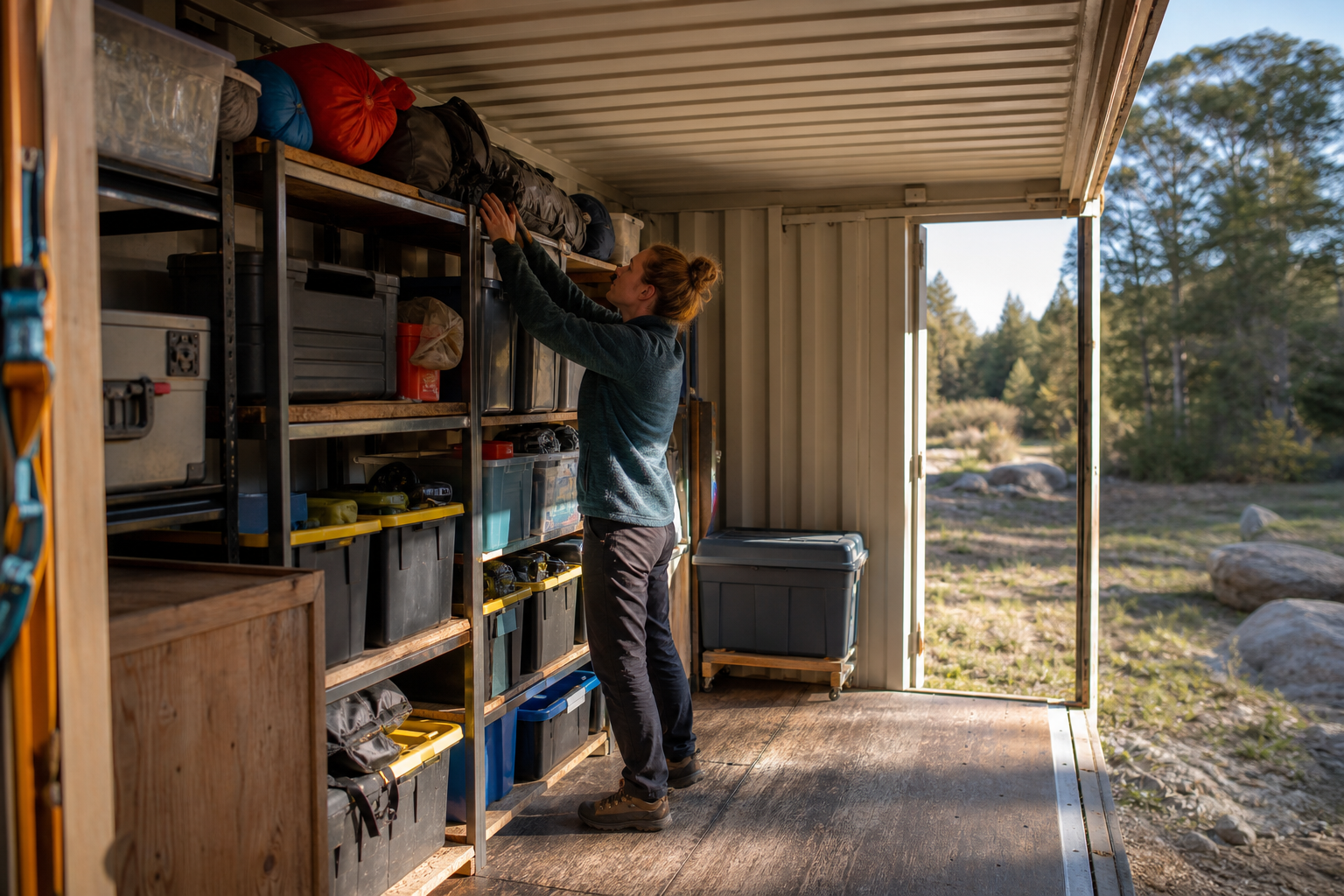
Most storage buyers choose between a 20ft vs 40ft shipping container based on lot access and inventory volume. Storage is still the number-one reason people buy sea containers. It is also the simplest: place a wind- and water-tight unit on a level pad, add a quality lock, and start organizing.
Home & Property Storage
- Seasonal décor, sports gear, and outdoor furniture
- Motorcycles, ATVs, and lawn equipment
- Emergency supplies and backup inventory
Farm & Rural Storage
- Feed, fencing materials, and spare parts
- Protecting equipment from rain and UV damage
- Separating chemicals from food or livestock areas
Business Overflow Storage
Retailers and online sellers often need flexible space without signing a long warehouse lease. A container on a owned or leased lot can bridge busy seasons.
Storage Setup Tips
- Use pallets or shelving to keep goods off the floor.
- Add vents if humidity is a concern.
- Label aisles so you can find inventory quickly.
- Keep a clear path to the doors for loading.
Locking Upgrade Worth Making
A heavy-duty lockbox over the container’s locking rods is one of the cheapest security upgrades you can buy.
Construction Site Offices & Tool Lockups
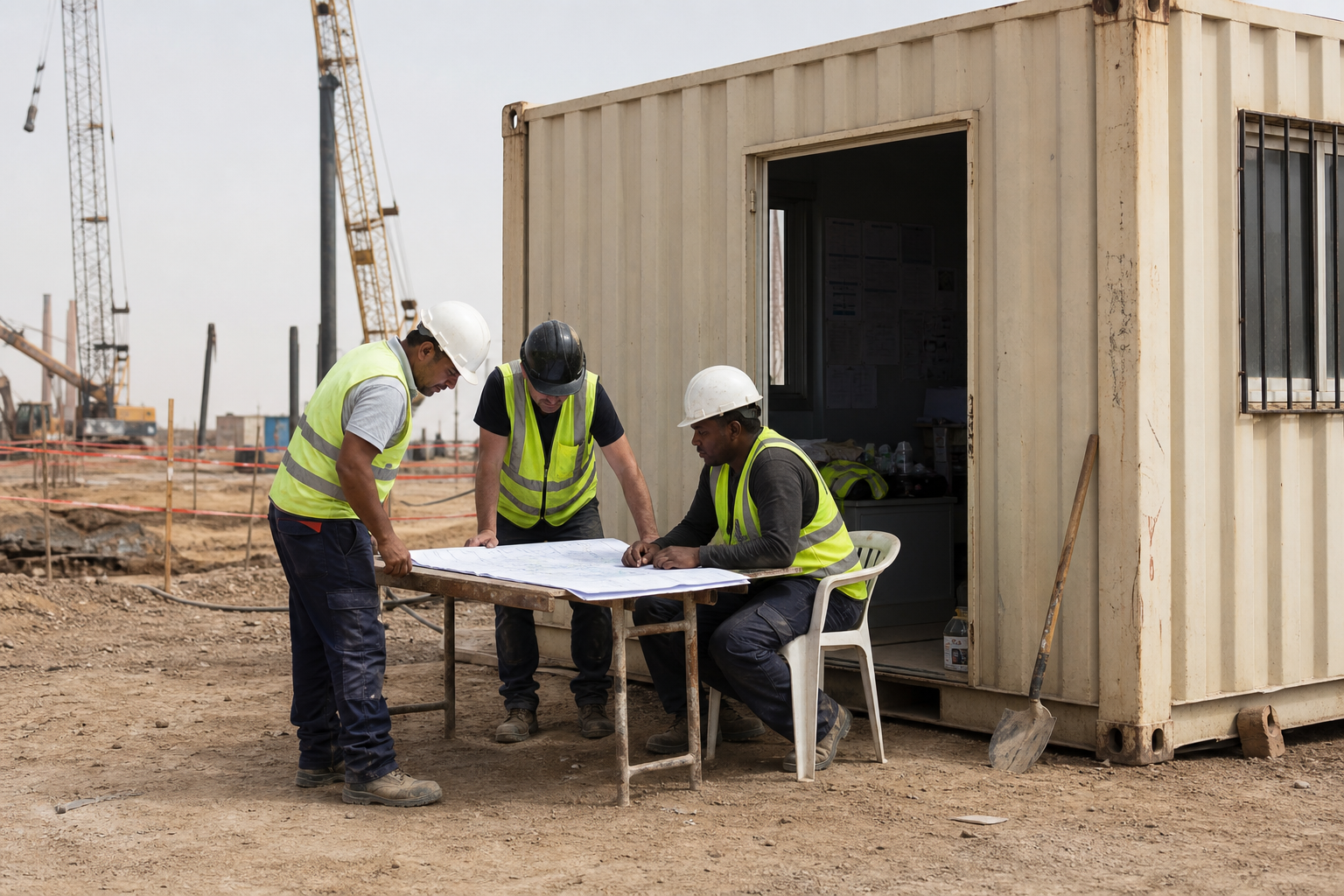
Construction teams use containers because jobs move and theft is expensive. A container can hold tools overnight and double as a meeting or admin space with simple modifications.
- Tool and equipment lockups
- Plan rooms and supervisor offices
- Secure storage for copper, lumber, and fittings
- Temporary welfare or break spaces (where codes allow)
What Construction Buyers Usually Add
- Personnel door for daily access
- Interior lighting and power hookups
- Shelving and pegboard walls
- Windows for office configurations
Jobsite Placement Advice
Place the container where a delivery truck can reach it again later. Many projects relocate units between phases. Also leave space for forklifts and material staging.
Workshops, Studios & Maker Spaces
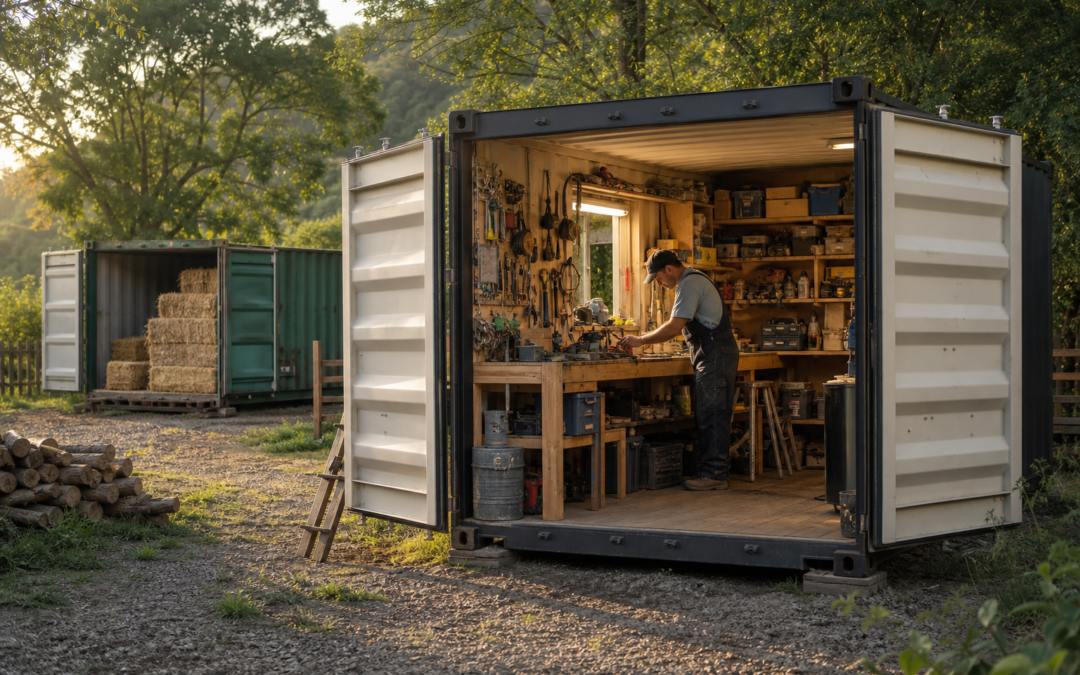
Containers make surprisingly good workshops because they are secure and defined. Artists, mechanics, woodworkers, and small manufacturers use them as dedicated rooms that keep noise, dust, and tools out of the main house or plant.
Popular Workshop Conversions
- Woodworking and fabrication shops
- Photo or content studios
- Repair bays for small engines and bikes
- Craft and maker classrooms
Comfort Upgrades That Matter
- Insulation and vapor barrier
- Adequate lighting
- Cross-ventilation or HVAC
- Anti-fatigue flooring over the container floor
Choose High Cube for Workshops
Unsure about length versus height? Our 20ft vs 40ft comparison covers when high cube changes the decision. Standing under tools, lights, and ducting is more comfortable in a high cube. If you will spend long hours inside, the extra height is worth it.
Pop-Up Retail, Cafés & Event Spaces
Container retail has become familiar at markets, festivals, and urban lots. The look feels modern, and the structure can be relocated after a season.
| Concept | Typical Container | Key Modifications |
|---|---|---|
| Pop-up shop | 20ft high cube | Serving hatch, lighting, shelving |
| Coffee / juice bar | 20ft | Counters, power, ventilation |
| Ticket / info booth | 10ft or 20ft | Window, branding panels |
| Showroom | 40ft high cube | Glass doors, interior finishes |
Retail Reality Check
Customer-facing builds usually favor one-trip or newer units — see new vs used shipping containers for grade trade-offs. Customers judge first impressions. For customer-facing uses, one-trip or freshly painted containers usually outperform heavily scarred as-is units — even if the structure is sound.
Container Homes, Cabins & ADUs
Container homes attract people who want efficient space, modern design, or a faster build path. Success depends less on the steel box and more on insulation, openings, moisture control, and local approvals.
Home Styles People Build
- Weekend cabins and hunting lodges
- Backyard ADUs and guest suites
- Starter tiny homes
- Multi-container family homes
Must-Plan Systems
- Insulation strategy for your climate
- Windows and egress for safety codes
- Electrical and plumbing routes
- Roofing and rainwater management
- Foundation or pier design
Emotional Benefit Buyers Mention
Many homeowners like having a separate space that still feels connected to their property — a quiet office, a gym, or a guest room that does not require a full house addition. Containers can create that boundary without a multi-year renovation.
Industrial, Agricultural & Emergency Uses
- Mine and energy site storage
- Disaster relief supply staging
- Agricultural chemical lockups
- Modular classrooms and clinics
- Generator or pump housings (with proper ventilation)
Why Institutions Choose Containers
Procurement teams value predictability: known dimensions, repeatable delivery, and the ability to expand by adding another unit. That modular logic is hard to beat with custom buildings.
Planning Checklist Before You Convert
- Confirm local zoning and permit requirements.
- Choose size and height based on daily use.
- Inspect for wind/water tightness and floor strength.
- Budget modifications separately from the container price.
- Plan power, water, and internet early if occupied.
- Design door and window openings before delivery when possible.
- Prepare a level, drained pad.
Budget Categories to Expect
- Container purchase
- Delivery and placement
- Foundation / pad
- Cutting and framing openings
- Insulation and interior finish
- Electrical / mechanical
- Exterior paint or cladding
How to Start Small and Expand Later
You do not need a multi-container compound on day one. Many owners begin with a single storage unit, learn how they actually use the space, then add windows, power, or a second container once the workflow is clear.
A Sensible Starter Path
- Buy one wind- and water-tight container for storage
- Organize it for 30–60 days and note pain points
- Add lighting, shelving, or a personnel door if needed
- Only then plan a full office, retail, or living conversion
- This reduces wasted modification spend
- It reveals whether you truly need a second unit
- It keeps early cash flow under control
Community and Lifestyle Benefits
Containers can create healthy boundaries on a property: a quiet office away from household noise, a hobby room that keeps dust out of the garage, or a guest cabin that gives visitors privacy. Those human benefits are often why owners say the project “just feels better” than a temporary tarp shed.
Maintenance Habits That Extend Life
- Keep door seals clean and lubricate rods as needed
- Clear debris from the roof after storms
- Touch up exposed steel before rust spreads
- Maintain drainage so water does not pool at the base
When to Call a Professional
Hire licensed help for electrical, plumbing, structural cuttings that affect integrity, and any occupied building that requires permits. DIY organization is fine; life-safety systems are not the place to guess.
Keep Future You in Mind
Even if you only need storage today, leave space around the container for a second unit, a personnel door, or a small porch later. Good site planning makes expansion cheaper.
FAQs
Do I need a high cube for storage only?
Usually no. Standard height is fine for most sealed storage. Choose high cube when people work or live inside, or when you need tall racking.
Can one container support multiple uses?
Yes. Many owners start with storage, then later add a personnel door and lights to create a hybrid workshop. Plan electrical and insulation with that future in mind.
Are container buildings eco-friendly?
Reusing a steel container gives an existing product a second life. The overall environmental impact still depends on transport, insulation choices, and how long the structure remains in service.
Ready to Match a Container to Your Project?
Pair this with the buying guide and a clear size choice, then request photos and delivery pricing. Start with the job you need done, then choose size, grade, and modifications around that goal. Browse current sea containers for sale or request help matching a unit to storage, office, retail, or living use. The best container project is the one that solves a real problem and still feels good to use every day.
Started with storage last year and just added lights + a personnel door. Exactly the path you described.
Using ours as a craft studio. Insulation and ventilation made a huge difference in summer.
On our construction sites the lockup is non-negotiable. Copper theft stopped after we switched to a container.
Considering a backyard office. Any advice on windows and egress before we talk to the county?
Farm storage section was practical. We keep feed separate from chemicals now — should have done that sooner.
Pop-up retail idea is tempting for seasonal markets. One-trip looks better for customers, agreed.
Maintenance habits list is gold. We ignored roof debris once and got a slow drip. Never again.
Helpful planning checklist. Budgeting modifications separately stopped us from underestimating the project.
Love the start-small advice. Too many people jump into a full conversion before they know how they will use it.